Potatoes: A Misunderstood Staple with Powerful Health Benefits
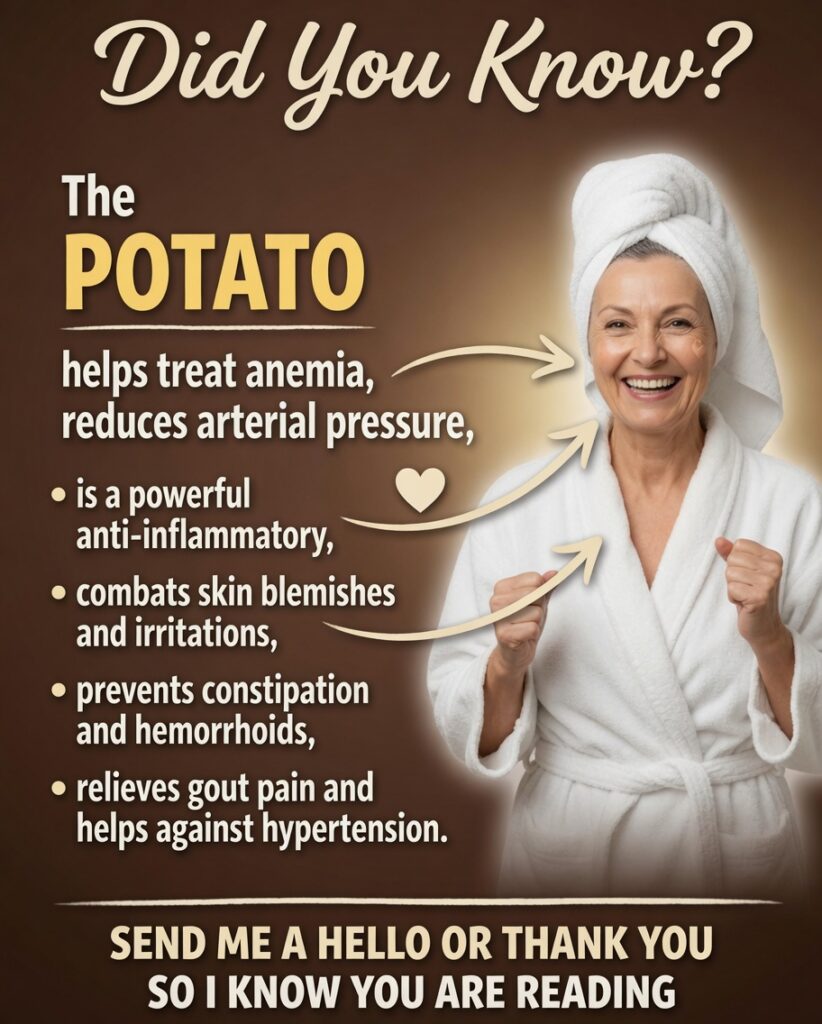
For many years, the humble potato has been one of the most widely eaten foods on the planet—and also one of the most misunderstood. It is often blamed for weight gain and unhealthy diets, largely because we tend to consume it in the form of fries, chips, or other ultra-processed products. In reality, the picture is very different: when eaten in the right way and as part of a balanced diet, potatoes can offer multiple health benefits and help protect against various diseases.
This affordable, versatile tuber is a dietary staple in many cultures. Its nutritional value, ability to provide long-lasting energy, and richness in beneficial compounds make it a food that fully deserves a place in a healthy eating pattern. Below, you will find why potatoes can support your wellbeing and how to eat them to get the most from their properties.
Nutritional Value of Potatoes
Potatoes are far more than a simple side dish. From a nutritional point of view, they provide a well-balanced mix of complex carbohydrates, vitamins, minerals, and fiber. A reasonable serving offers energy without relying on highly processed foods, making potatoes a natural and budget-friendly option.
A Surprising Source of Vitamin C
We usually associate vitamin C with citrus fruits, but potatoes also contain a meaningful amount of this vitamin. Vitamin C:
- Acts as an antioxidant
- Supports immune function
- Enhances iron absorption
- Helps repair and maintain tissues
When regularly included in the diet, vitamin C can help the body defend itself better against infections and inflammatory processes.
Rich in Potassium for Nerves, Muscles, and Blood Pressure
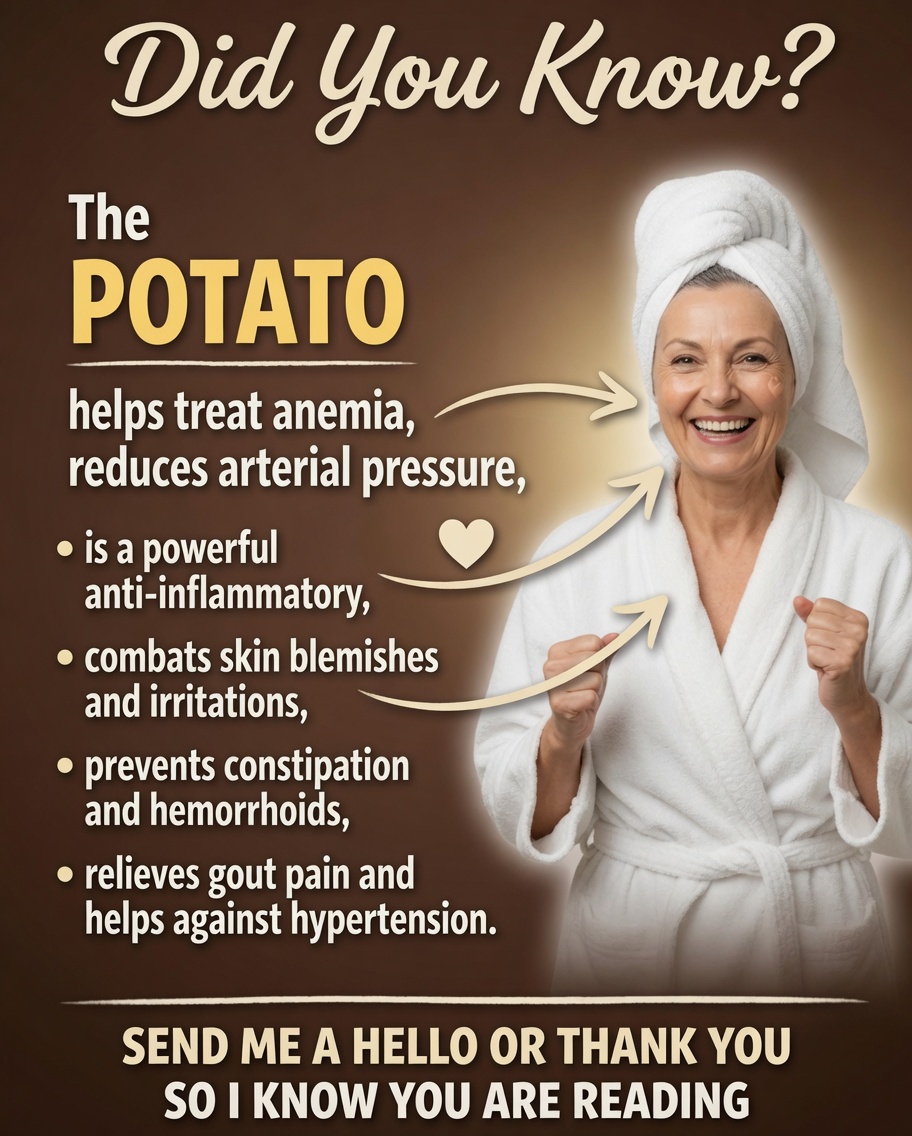
Potatoes are particularly high in potassium, a mineral essential for proper nerve and muscle function. Potassium plays a central role in blood pressure regulation by counteracting the effects of sodium. Diets high in potassium are linked to a lower risk of hypertension and cardiovascular disease.
Fiber for Digestion and Satiety
Potatoes also contain dietary fiber, especially when eaten with their skin. Fiber:
- Promotes healthy bowel movements
- Helps prevent constipation
- Increases satiety, which can support weight management
Including potatoes with the skin on in your meals can therefore help you feel full for longer and support digestive health.
Antioxidants and Disease Prevention
Not all potatoes are the same. Colored varieties, such as purple and red potatoes, are rich in antioxidant compounds known as anthocyanins. These pigments give the potatoes their vibrant color and have strong protective effects at the cellular level.
Anthocyanins help combat oxidative stress, a process that damages cells and is linked to premature aging and many chronic diseases. Research has consistently associated diets rich in antioxidants with a reduced risk of:
- Cardiovascular diseases
- Certain types of cancer
- Chronic inflammatory conditions
Even white potatoes contain antioxidants, albeit in lower amounts than their colorful counterparts. This means that all varieties, when eaten as part of a balanced diet, can contribute positively to overall health.
A Stable and Healthy Energy Source
One of the main advantages of potatoes is their content in complex carbohydrates. Unlike simple sugars, complex carbs are digested more slowly, providing a gradual and sustained release of energy. This helps maintain more stable blood glucose levels—provided portions are controlled and the potatoes are combined wisely with other foods.
Contrary to popular belief, potatoes alone do not automatically spike blood sugar. The real issue lies in how they are prepared. When potatoes are deep-fried or combined with large amounts of fat and salt, their metabolic impact changes significantly. Boiled, steamed, or baked potatoes, on the other hand, can fit comfortably into a balanced diet, even for people who are monitoring their weight.
Potatoes and Heart Health
When consumed in moderate amounts and prepared in a healthy way, potatoes may support cardiovascular health. Their potassium content helps keep blood pressure within a healthy range, while their fiber can assist in reducing levels of LDL cholesterol—the so-called “bad” cholesterol.
Because they are naturally low in fat, potatoes can also be a smart alternative to foods high in saturated fat. When prepared without large quantities of oil, butter, cream, or heavy sauces, they fit well into diets aimed at preventing heart disease.
Potatoes and Chronic Disease Prevention
A diet that emphasizes natural, minimally processed foods such as potatoes is generally associated with a lower risk of chronic diseases. Eaten in appropriate portions, potatoes can help prevent excessive weight gain by offering energy and satiety without an overload of calories.
Potatoes and Type 2 Diabetes
People with type 2 diabetes do not need to completely eliminate potatoes, but it is important to consume them wisely. By pairing potatoes with:
- Fiber (vegetables, whole grains)
- Protein (fish, legumes, eggs, lean meat)
- Healthy fats (olive oil, nuts, seeds, avocado)
you can lower the overall glycemic impact of the meal and help avoid sharp spikes in blood sugar.
Antioxidants and Long-Term Protection
The antioxidant compounds present in potatoes may also play a role in reducing the risk of certain cancers and chronic inflammatory diseases. While potatoes alone do not prevent illness, they can contribute meaningfully to a protective, plant-rich dietary pattern.
How to Eat Potatoes in a Healthy Way
To fully benefit from potatoes, pay attention not only to how often you eat them, but especially to how you prepare and combine them. Some practical tips:
-
Choose healthy cooking methods
- Prefer steaming, boiling, baking, or roasting with minimal added fat.
- Avoid frequent deep-frying and heavily processed potato products.
-
Eat the skin when possible
- Wash and scrub potatoes well and cook them with the skin on to maximize fiber and nutrient intake.
-
Combine them with protein and vegetables
- Build balanced meals by pairing potatoes with lean proteins and plenty of vegetables to slow digestion and stabilize blood sugar.
-
Watch your portion sizes
- Treat potatoes as one component of the meal, not the entire plate. Moderation is key.
-
Explore more nutritious varieties
- Include purple and red potatoes, and also sweet potatoes, which offer additional antioxidants and nutrients.
Important Precautions
Avoid eating potatoes that are green or heavily sprouted. These can contain higher levels of solanine, a naturally occurring toxin that may cause digestive discomfort, nausea, and other symptoms when consumed in significant amounts.
It is also wise to limit the use of excess salt, butter, cream, cheese, and industrial sauces. These additions can quickly turn a healthy potato dish into a high-calorie, high-sodium meal that undermines the tuber’s natural benefits.
Conclusion: Potatoes as Part of a Balanced Diet
Potatoes are a complete, accessible food with many advantages when eaten mindfully. Far from being the enemy of healthy eating, they can play a valuable role in disease prevention and in maintaining a balanced, satisfying diet.
Prepared in a healthy way, combined with other nutrient-dense foods, and consumed in moderate portions, potatoes can:
- Provide steady energy
- Support cardiovascular health
- Improve digestive function
- Contribute to overall wellbeing
Including potatoes intelligently in your daily meals is a simple and natural way to care for your health—without giving up the pleasure of eating.