
Natural Relief for Tired Eyes: How Mint Leaves Can Help
Many people deal with eye strain from long hours on computers and phones, extended reading, or simply the natural aging process. This often leads to:
- Tired, heavy-feeling eyes
- Dryness or burning
- General discomfort that interferes with daily activities
When your eyes feel irritated or fatigued, even simple tasks can become a challenge. One gentle, natural option many people use for relief is mint leaves—and by the end of this guide, you’ll know an easy way to include them in your routine.
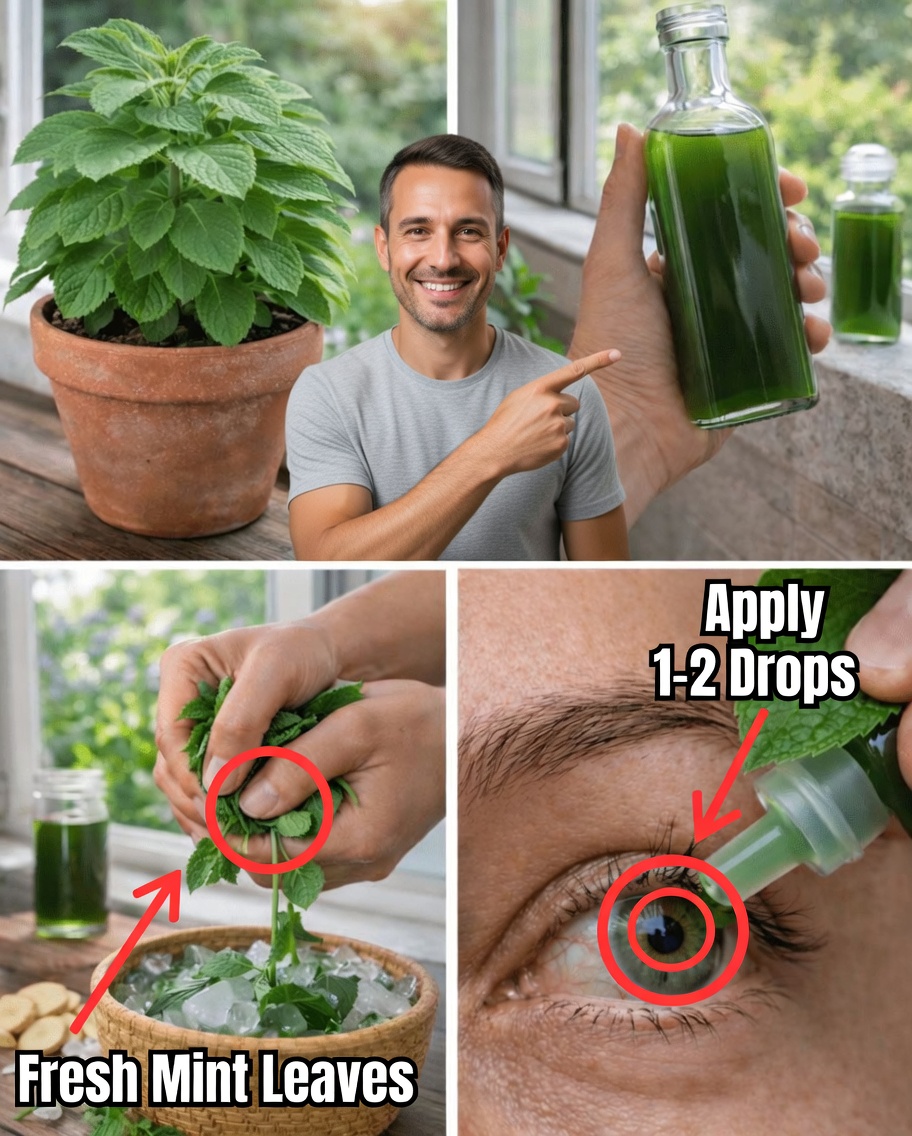
Why Mint Leaves Are Getting Noticed for Eye Health
Mint leaves, especially those from peppermint and spearmint plants, have a long history in traditional wellness practices. Their cooling sensation and beneficial nutrients make them a popular choice for easing various forms of discomfort.
Modern research shows that mint is rich in:
- Antioxidants
- Vitamin A
Both are important for supporting overall eye function and comfort. Vitamin A is essential for:
- Maintaining clear vision in dim lighting
- Protecting the surface of the eye
Scientific reviews on medicinal plants also highlight how antioxidants help fight oxidative stress, which is linked to age-related changes in the eyes.
Beyond nutrition, mint contains natural compounds like menthol, which create a cooling, refreshing effect. Many people say they feel more relaxed and less fatigued around the eyes when they regularly use mint in their diet or as part of a topical routine.
It’s important to note that mint is not a substitute for professional eye care. However, including it in your meals or using it safely around (not in) the eyes may help you feel more refreshed.
Key Nutrients in Mint Leaves That Support Eye Comfort
Mint leaves may be small, but they’re packed with helpful components for general eye wellness:
-
Vitamin A
- Important for maintaining healthy vision in low light
- Supports the surface tissues of the eyes
-
Antioxidants (such as flavonoids)
- Help protect cells from everyday stress and damage
- Support overall eye and body health
-
Anti-inflammatory properties
- May ease mild puffiness or irritation around the eye area
To put mint into perspective, here’s how it compares with a few other common herbs:
| Herb | Vitamin A Content (per 100g) | Antioxidant Level | Cooling Effect |
|---|---|---|---|
| Mint Leaves | High | Strong | Yes |
| Basil | Moderate | High | Mild |
| Parsley | High | Moderate | No |
Including herbs like mint in a varied, nutrient-rich diet can be a simple way to support overall eye comfort and general wellness.
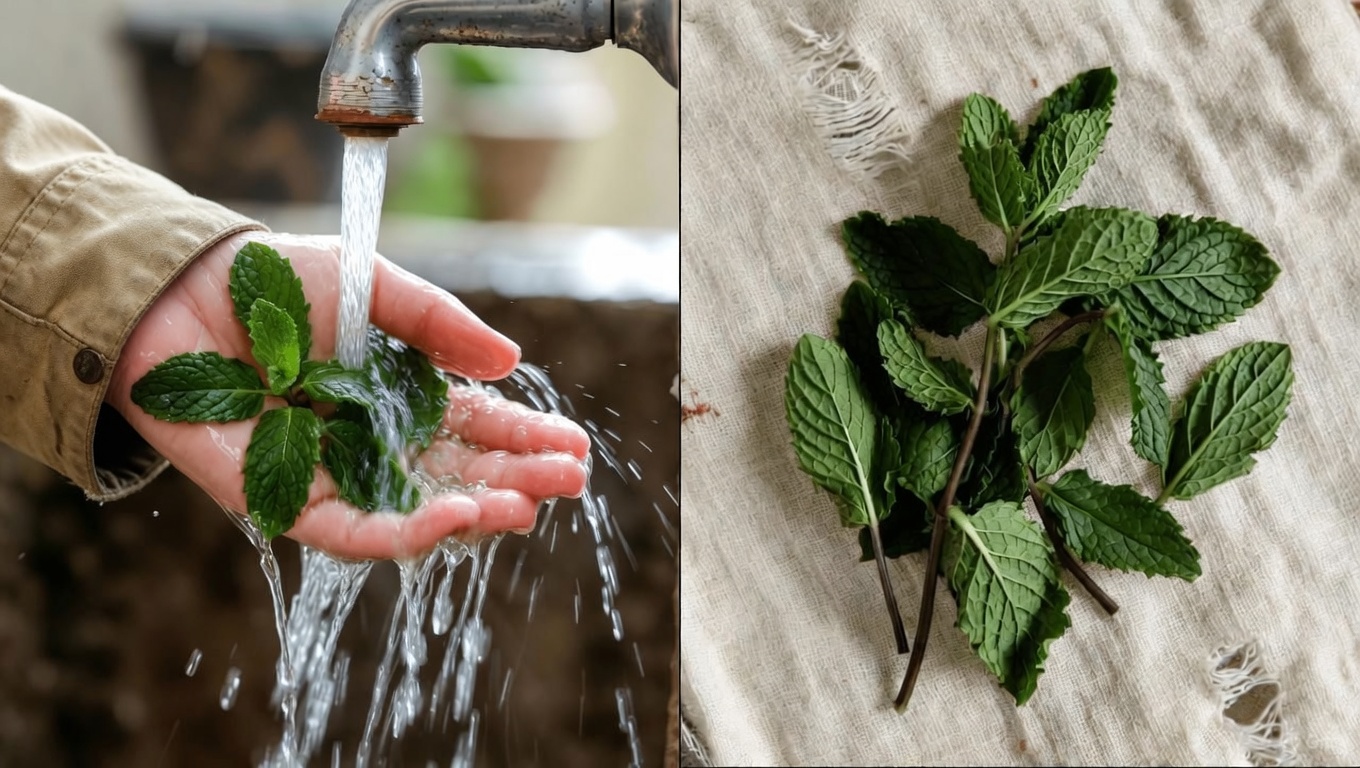
Simple Everyday Ways to Use Mint Leaves for Eye Refreshment
One of the biggest advantages of mint is how easy it is to work into daily life. Here are some practical, low-effort ideas:
-
Add to meals
Chop fresh mint leaves into salads, yogurt bowls, or grain dishes. -
Blend into smoothies
Add a few leaves to fruit or vegetable smoothies for a refreshing twist and extra nutrients. -
Mint herbal tea
Steep fresh or dried mint in hot water to make a soothing drink that supports hydration. -
Mint-infused water
Place a handful of fresh leaves in a jug of water and let it sit in the fridge for several hours or overnight. -
Cool compress (around the eyes)
- Lightly crush clean mint leaves
- Wrap them in a soft, clean cloth
- Place the cloth over closed eyelids
- Relax for a few minutes
Always avoid direct contact between mint and the eye surface itself.
Using mint regularly, rather than occasionally, tends to make any soothing effects more noticeable over time.
Step-by-Step: How to Make a Gentle Mint Rinse for Tired Eyes
This simple at-home preparation uses mint’s cooling qualities to refresh the area around your eyes. It is only for external use and should never be applied directly into the eyes.
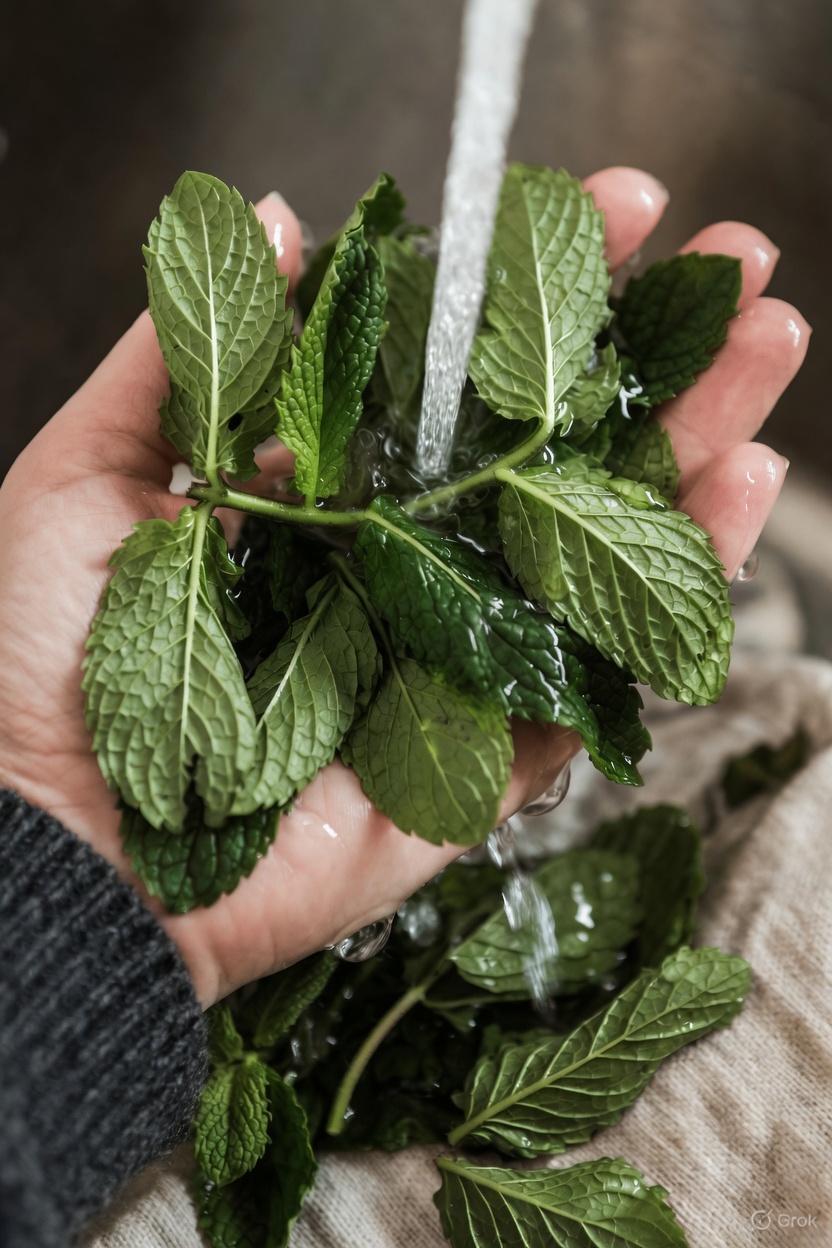
What You’ll Need
- 20–30 fresh, preferably organic mint leaves
- 2 cups of clean water
- A small pot
- A strainer
- A clean bowl
- A soft, clean cloth or cotton pad
Instructions
-
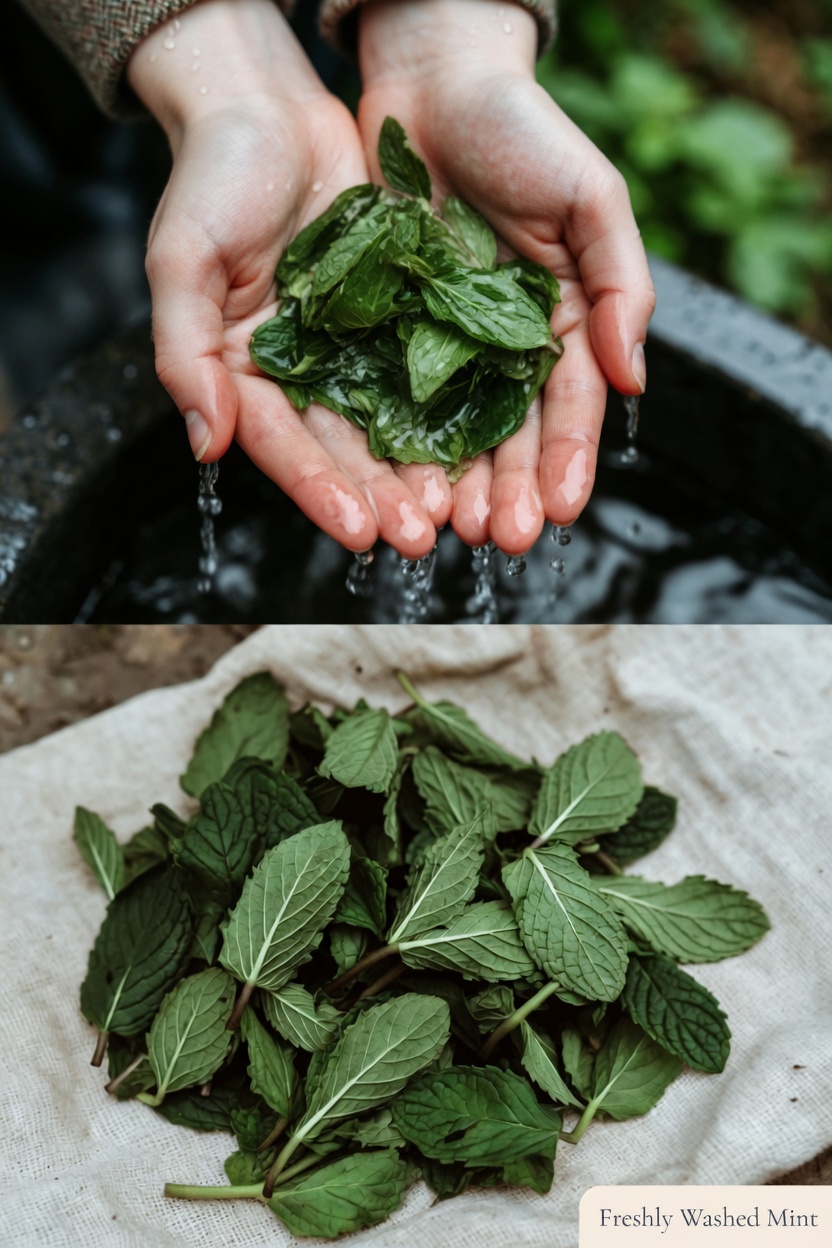
Rinse the mint leaves
Wash the leaves thoroughly under running water to remove any dirt. -
Boil the water
Bring 2 cups of water to a boil, then let it cool for a minute or two so it’s warm, not boiling. -
Steep the leaves
Place the mint leaves in the warm water and let them steep for about 10–15 minutes. -
Strain the liquid
Remove the leaves using a strainer and collect the infused water in a clean bowl. -
Cool completely
Allow the mint rinse to cool down to room temperature or slightly cooler. It should feel comfortable on the skin. -
Apply around the eyes
- Soak a clean cloth or cotton pad in the cooled liquid
- Gently wring out excess
- Place or dab lightly around the closed eyes (never inside the eyes)
You can repeat this 1–2 times a day to help ease feelings of daily eye strain and fatigue.
Extra Ideas for Using Mint
-
Mint tea with honey
A soothing drink that supports hydration and provides a gentle antioxidant boost. -
Frozen mint cubes
Freeze mint-infused water in ice cube trays; wrap a cube in a thin cloth and lightly apply around the eye area for quick cooling (avoid direct ice-to-skin or eye contact). -
Mint and carrot smoothie
Blend mint with carrots and other fruits or vegetables for a drink rich in vitamin A and other eye-supporting nutrients.
Other Habits That Support Healthy Vision
Mint can be a helpful addition, but long-term eye health relies on a combination of smart daily habits. Evidence-based tips include:
-
Eat a colorful variety of fruits and vegetables
Aim for greens, oranges, reds, and purples to ensure you’re getting a wide range of antioxidants and vitamins. -
Follow the 20-20-20 rule
Every 20 minutes, look at something about 20 feet (6 meters) away for at least 20 seconds to reduce screen-related eye strain. -
Stay well hydrated
Drinking enough water helps reduce dryness and irritation. -
Protect your eyes outdoors
Wear sunglasses that block UVA and UVB rays to help protect against sun-related eye damage. -
Consider balanced nutrition support
In addition to whole foods, some people choose vitamins and supplements (with guidance from a healthcare professional) to help meet their daily nutrient needs.
Leading eye health organizations emphasize that lifestyle choices—diet, screen habits, sun protection, and regular eye exams—are key for maintaining comfortable sight over time.
Conclusion
Adding mint leaves to your routine is a simple, natural way to support eye comfort and overall well-being. Whether you:
- Enjoy them in meals, teas, or smoothies
- Use a cooled mint rinse around your eyes
- Combine them with other healthy lifestyle habits
these small steps can contribute to eyes that feel more refreshed and less fatigued. Start with one or two of the ideas above, be consistent, and notice how your eyes respond.
Frequently Asked Questions
Can mint leaves improve night vision?
Mint contains vitamin A, which plays a role in supporting vision in low light. However, the effect depends on your overall diet, existing vitamin A intake, and general eye health. Mint should be seen as a supportive food, not a cure.
How often should I use mint for eye relief?
For external use (like compresses or rinses around the eyes), many people find 1–2 times per day helpful. Always pay attention to how your skin and eyes feel, and stop if you notice irritation.
Is mint safe for everyone?
For most people, mint is safe when used in normal amounts in food or around the eye area (not in the eyes). If you have very sensitive skin or allergies:
- Do a small patch test on your inner wrist or arm first
- Avoid use if you notice redness, itching, or discomfort
If you have existing eye conditions or are under medical treatment, consult an eye care professional before adding any new topical routine.