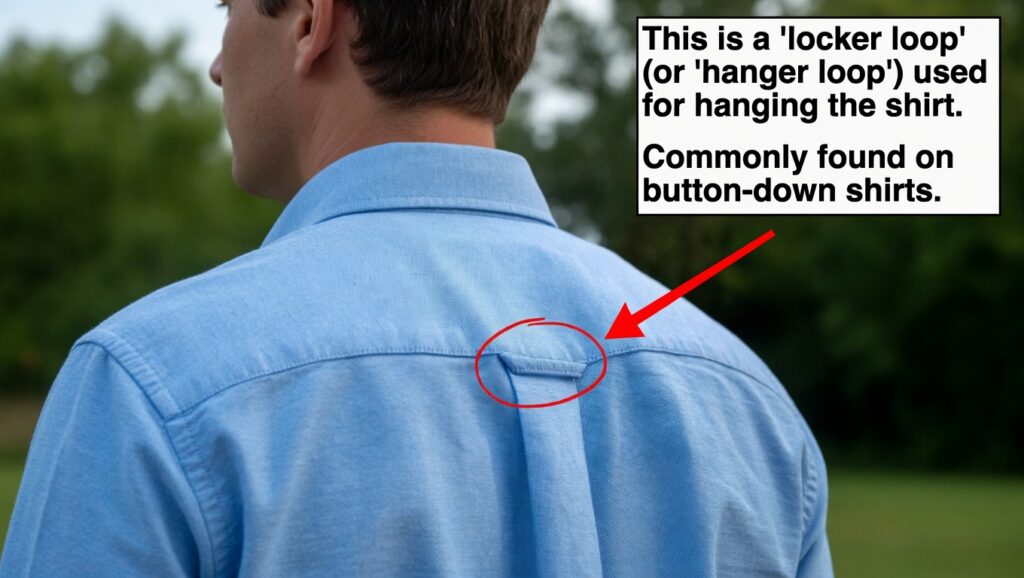
Purpose of Shirt Loops: A Closer Look
Many men’s dress shirts—especially button-down styles—include a small fabric loop centered on the upper back. Often subtle and easy to overlook, this detail is most commonly associated with relaxed, casual wear, typically when the shirt is worn untucked or styled in a more laid-back way.
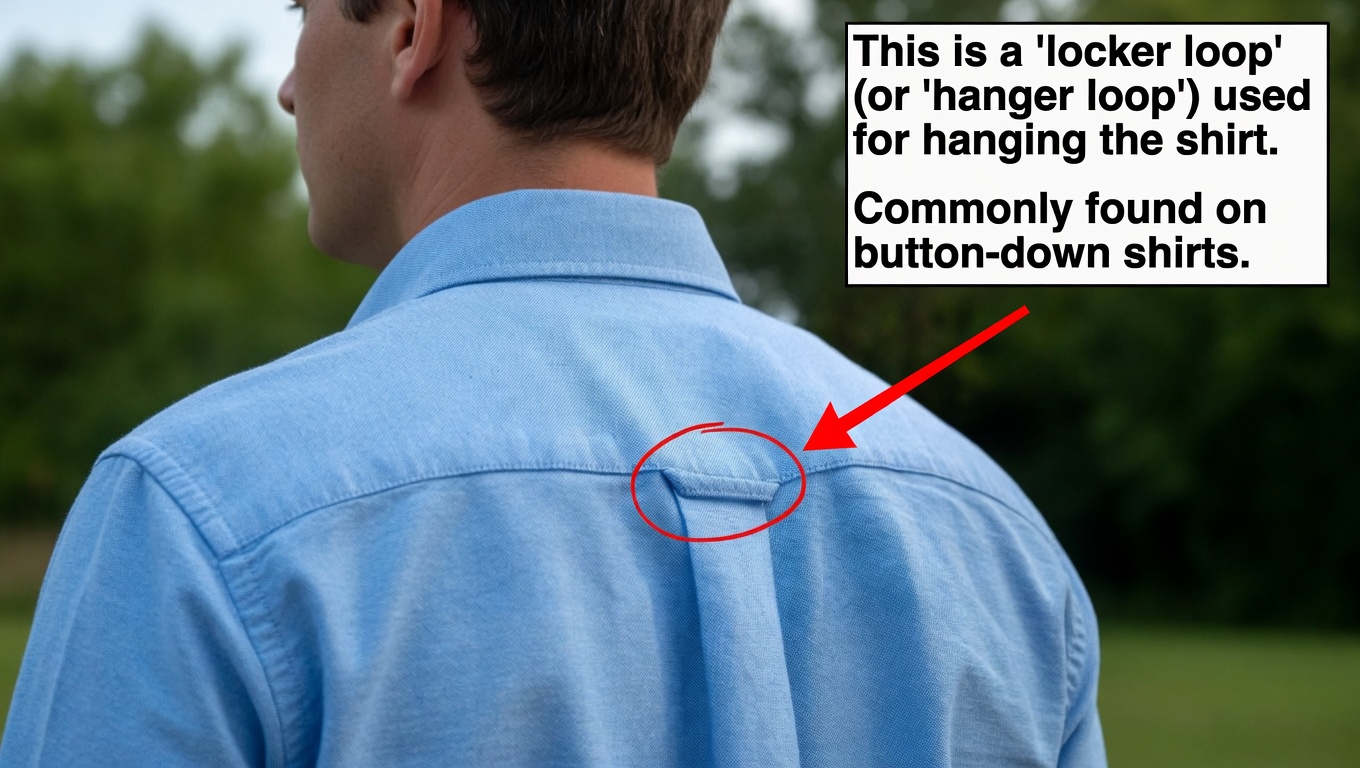
Casual Style Meets Smart Dressing
On modern button-down and oxford shirts, the back loop supports a casual-but-polished look. When paired with well-fitted jeans, a belt, and simple accessories, the shirt can shift from basic everyday wear to a more refined outfit without losing its easygoing feel.
A Practical Feature for Everyday Convenience
The loop also has a straightforward function: it makes the shirt easy to hang on a hook or locker peg. For people heading to the gym, commuting, or changing clothes outside the home, it offers a quick way to hang a shirt neatly—no closet hanger required.
A Subtle Relationship Status Signal
In some social settings, the loop has taken on an unofficial meaning. Removing the loop has been used as a quiet sign that someone is in a committed relationship. While not universal, this tradition has appeared in certain groups as a discreet way to communicate romantic availability.
How the Shirt Loop’s Meaning Has Changed
Originally created for practical use, the shirt loop has gradually shifted into a more symbolic or stylistic detail. Today, it often remains on garments simply because it is part of the classic design—an extra piece of fabric that nods to tradition, even if many wearers no longer use it for its original purpose.
The Timeless Appeal of Men’s Shirt Loops
American menswear has changed dramatically over the last century, yet a few details have stayed recognizable across decades. The back loop is one of those enduring touches—small, functional, and closely tied to the history of classic casual style.
“Fairy Loop” or “Locker Loop”: What It’s Called
This detail is commonly known as a “locker loop” (and sometimes a “fairy loop”). Found on many button-down and oxford shirts, it continues to spark curiosity because it looks purposeful—even when it’s used mainly for style.
Nautical and Preppy Roots
Many accounts connect the loop’s early use to American sailors, who needed an easy way to hang shirts on ships. Later, the feature became associated with preppy fashion, especially among college students during the 1960s, when classic button-down shirts became a staple of campus wardrobes.
Gant and the Ivy League Connection
Clothing brand Gant has also tied the button-down shirt’s popularity—and the loop detail—to Ivy League campuses. According to the brand’s account, the style gained strong traction among male students in the 1960s and spread widely across the United States, becoming a hallmark of classic American menswear.
Why Shirt Loops Still Matter
Even today, the locker loop remains a blend of utility, heritage, and understated style. Whether you use it to hang your shirt, appreciate it as a preppy design signature, or recognize its cultural meanings, it continues to add character to a timeless piece of men’s fashion.