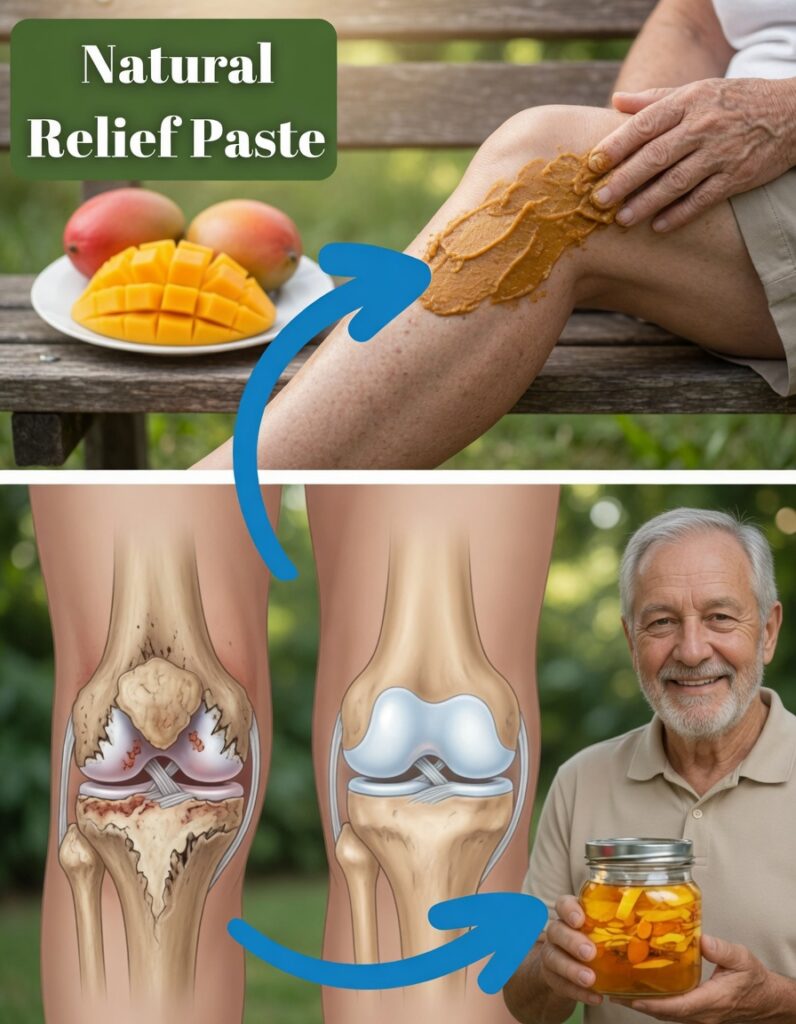
Natural Green Papaya Paste for Gentle Joint Comfort
Achy knees, stiff ankles, and sore joints can turn a normal day into a struggle. Many people reach for strong pain products right away, but there is a gentler option worth trying first. Mild to moderate discomfort may respond well to simple, natural, topical remedies made from everyday ingredients.
One surprisingly helpful option is green papaya and papaya seeds. These are rich in natural enzymes and plant compounds that may help support a healthier, more balanced inflammatory response. Most people never think of papaya this way because it is usually treated as a fruit for eating, not as a soothing, “on-the-skin” joint care remedy.
This method is intended only for comfort and self-care support. It does not diagnose, treat, or cure any condition and is not a substitute for professional medical advice or treatment.
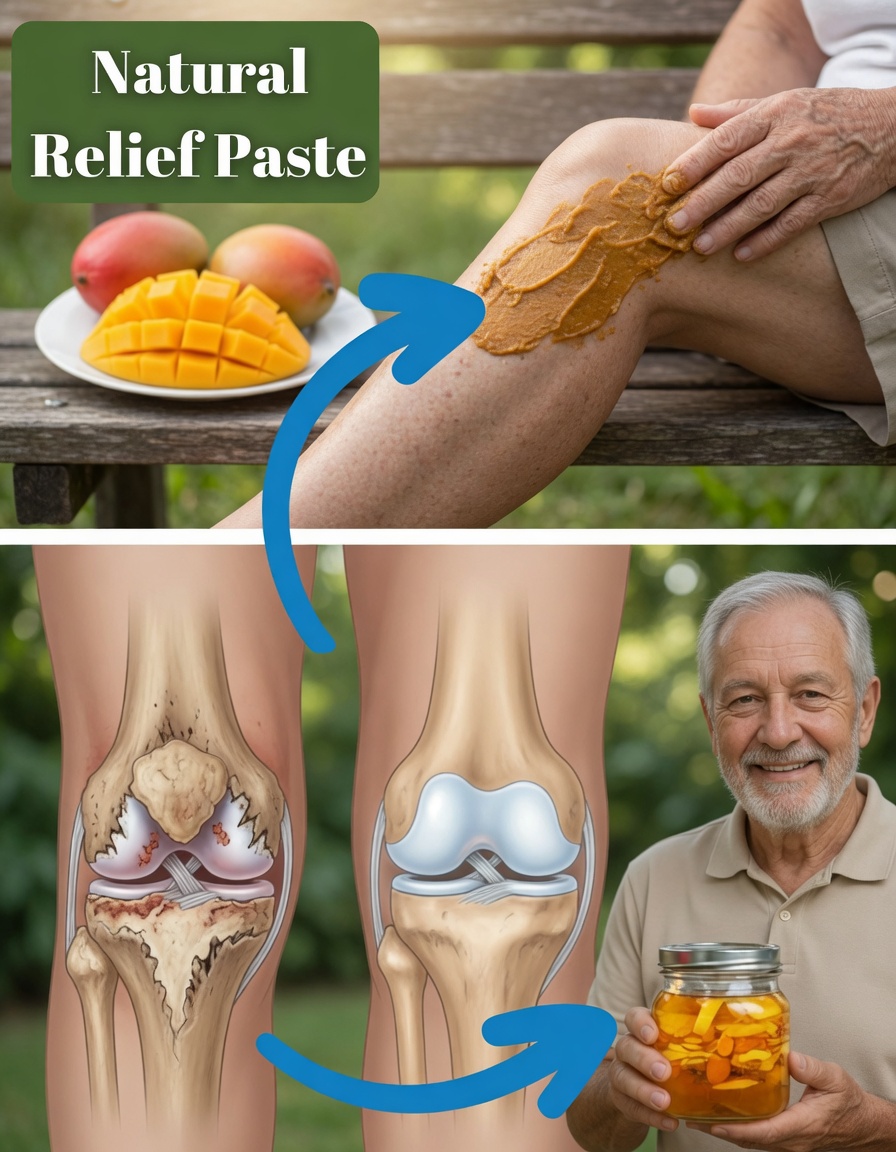
Ingredients
For the best texture and effect, use fresh ingredients whenever possible.
- 1/2 cup green (unripe) papaya flesh, grated or finely mashed
- 1 tablespoon papaya seeds, lightly crushed (fresh or dried)
- 1 tablespoon warm water (add only as needed to blend)
- 1 teaspoon coconut oil or olive oil (optional, for smoother texture and less scratchiness)
Tip: If you have sensitive skin, start with just 1 teaspoon of papaya seeds instead of a full tablespoon.
How to Prepare the Papaya Paste
- Wash the green papaya thoroughly and peel the skin.
- Grate or mash 1/2 cup of the firm, green papaya flesh into a small bowl.
- Lightly crush the papaya seeds with the back of a spoon or a mortar and pestle. Aim to crack them open, not grind them into a fine powder.
- Mix the grated green papaya and the crushed seeds together.
- Add a small splash of warm water only if you need it to form a spreadable paste.
- Stir in 1 teaspoon of coconut oil or olive oil (optional) to make the mixture smoother and more comfortable on the skin.
You are aiming for a thick, spreadable paste that adheres to the skin without dripping.
How to Use It & Best Time to Apply
Step-by-step application
-
Do a patch test first:
Apply a pea-sized amount of the paste to the inner forearm and leave it on for 10–15 minutes. -
Check for a reaction:
If you do not notice burning, strong itching, swelling, or a rash, you can proceed. -
Apply to the sore area:
Spread a thin layer over the uncomfortable joint, such as the knee, ankle, elbow, or shoulder. -
Optional covering:
If you want to avoid staining clothes or furniture, cover the area with clean gauze or a soft cloth. -
Let it sit:
Leave the paste on for about 10–20 minutes. -
Rinse off:
Wash the area with lukewarm water and gently pat dry with a towel. -
Moisturize if needed:
If your skin feels dry afterward, apply a simple, fragrance-free moisturizer.
Best times to use this remedy
- In the evening, when you can rest afterward
- After a warm shower, when heat has already relaxed your muscles and tissues
- After gentle stretching or light movement (but not after intense exercise or on joints that are very hot and swollen)
Suggested frequency:
Start with 3–4 applications per week. If your skin tolerates the paste well, you can gradually use it once daily for short periods.
Why Green Papaya May Help Sore Joints
Green papaya contains papain, a naturally occurring enzyme long used in traditional wellness practices. Enzymes like papain are studied for how they interact with proteins and how they may help support a more comfortable inflammatory response when used appropriately.
Papaya seeds bring additional benefits. They contain:
- Plant compounds and antioxidants
- Natural oils
- Components that can create a mild warming or stimulating feeling on the skin
When applied topically in small amounts, papaya seed and flesh paste may:
- Create a gentle warming sensation
- Support local circulation around the joint area
- Offer antioxidant support that may help the surrounding tissues feel more at ease
This is not a fast-acting cure or a replacement for medical care, but it can be a soothing self-care ritual that works best alongside rest, gentle movement, stretching, and good hydration.
Who Might Benefit the Most
This mild, topical approach may be most suitable for people experiencing:
- Mild joint stiffness, especially in the morning
- Occasional knee or ankle soreness after walking or standing
- Aches that seem to flare up with changes in weather
- Muscle tightness around joints, without severe swelling or intense pain
If you have strong, sharp pain, sudden swelling, visible redness, fever, or suspect an injury (such as a sprain, fracture, or infection), skip home remedies and seek prompt medical care instead.
When You May Notice a Difference
Responses vary from person to person, but a realistic timeline might look like this:
- Same day: You may feel a temporary sense of warmth, relaxation, or mild comfort after application.
- 3–7 days: With consistent use, some people report less stiffness or less “pulling” around the joint.
- 2–3 weeks: This is often the timeframe where you’re most likely to notice gradual improvements in daily comfort, especially if combined with gentle mobility exercises, stretching, and healthy lifestyle habits.
If at any point your skin becomes irritated, red, itchy, or painful, discontinue use immediately.
Safety Tips, Precautions, and Simple Adjustments
- Do not use on broken or damaged skin, including cuts, open wounds, rashes, or freshly shaved areas.
- Keep away from the eyes, face, and other very sensitive body areas.
- Papaya seeds can feel slightly gritty on the skin. To reduce this, use fewer seeds, add a bit more oil, and keep the paste thin.
- Stop using right away if you notice burning, swelling, intense itching, or any sign of an allergic reaction.
- If you are pregnant, breastfeeding, have very sensitive skin, eczema, or known allergies to latex or papaya, avoid this remedy unless approved by your healthcare provider.
- If you take blood-thinning medication, have a bleeding disorder, or notice that a joint is very hot, red, or severely swollen, seek professional guidance before trying any home treatment.
This papaya paste is meant for comfort and supportive care only. It does not replace medical evaluation, diagnosis, or treatment from a qualified professional.
Final Takeaway
Green papaya and papaya seed paste is a simple, traditional-style topical remedy that some people use as a natural support for joint discomfort. Its potential lies in its gentle enzymes, plant compounds, and warming sensation.
For best results:
- Use it for short, timed applications
- Be consistent, but listen carefully to how your skin responds
- Combine it with rest, light movement, and overall healthy habits
Always prioritize safety and consult a healthcare professional if you have ongoing or severe joint pain.