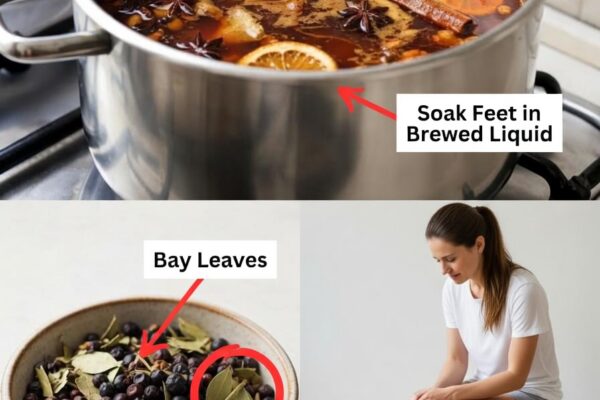
Natural Ways to Ease Leg Discomfort and Support Better Circulation
Many people struggle with uncomfortable, heavy, or painful legs caused by poor circulation, varicose veins, arthritis, or rheumatism-like symptoms. These issues can limit movement, disturb sleep, and reduce overall quality of life. Everyday tasks that used to feel simple may start to feel draining or difficult.
Alongside medical care, there are gentle lifestyle habits and natural approaches that may help support circulation, ease discomfort, and promote healthier legs over time.
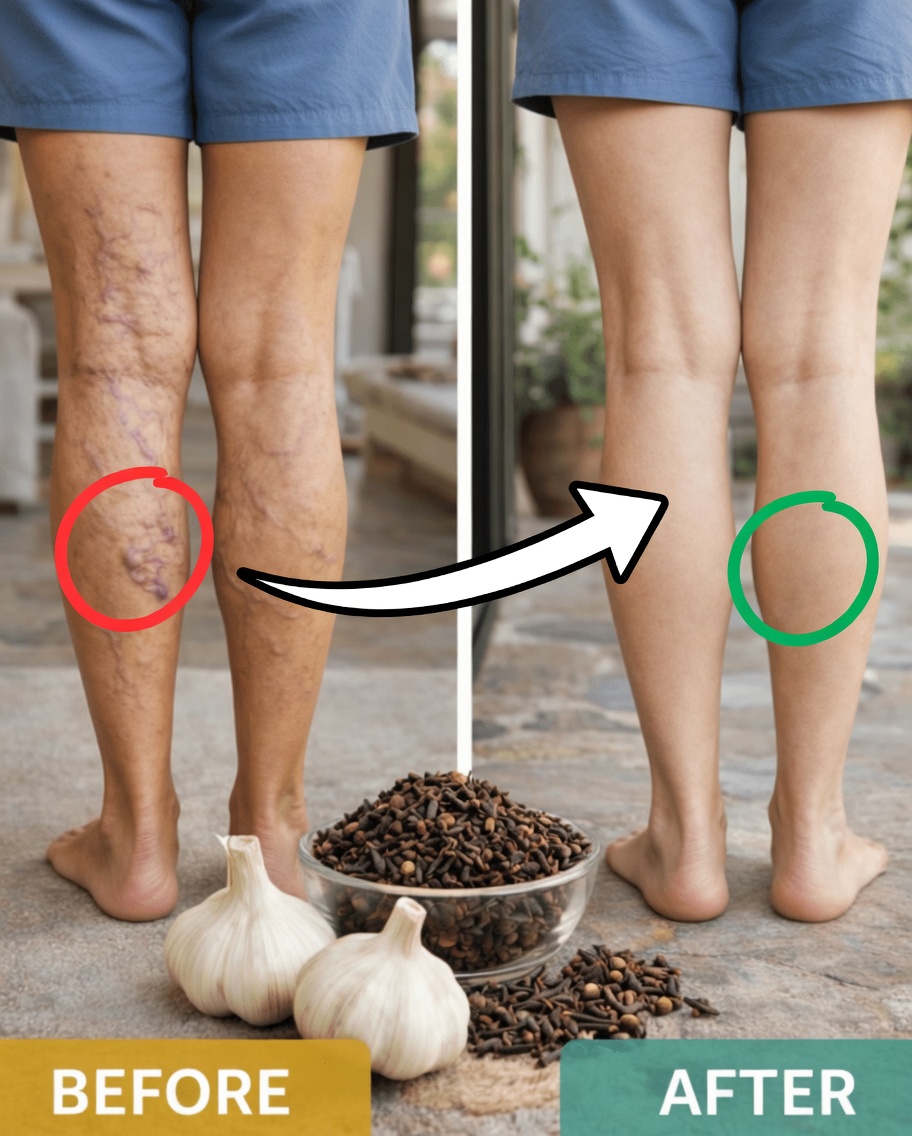
What if a couple of common ingredients already in your kitchen could become part of your daily routine for leg comfort and blood flow support? Keep reading to learn how people use them, plus research-backed lifestyle tips that can contribute to better leg wellness.
Understanding Leg Discomfort and Its Common Causes
Leg pain and a feeling of heaviness or tightness can come from several underlying issues. Often, they are related to:
- Weakened vein valves that make it harder for blood to move back up toward the heart
- Sluggish or impaired circulation, especially after long periods of sitting or standing
- Inflammation in tissues, joints, or blood vessels
- Joint wear and tear, as seen in arthritis or rheumatism-like conditions
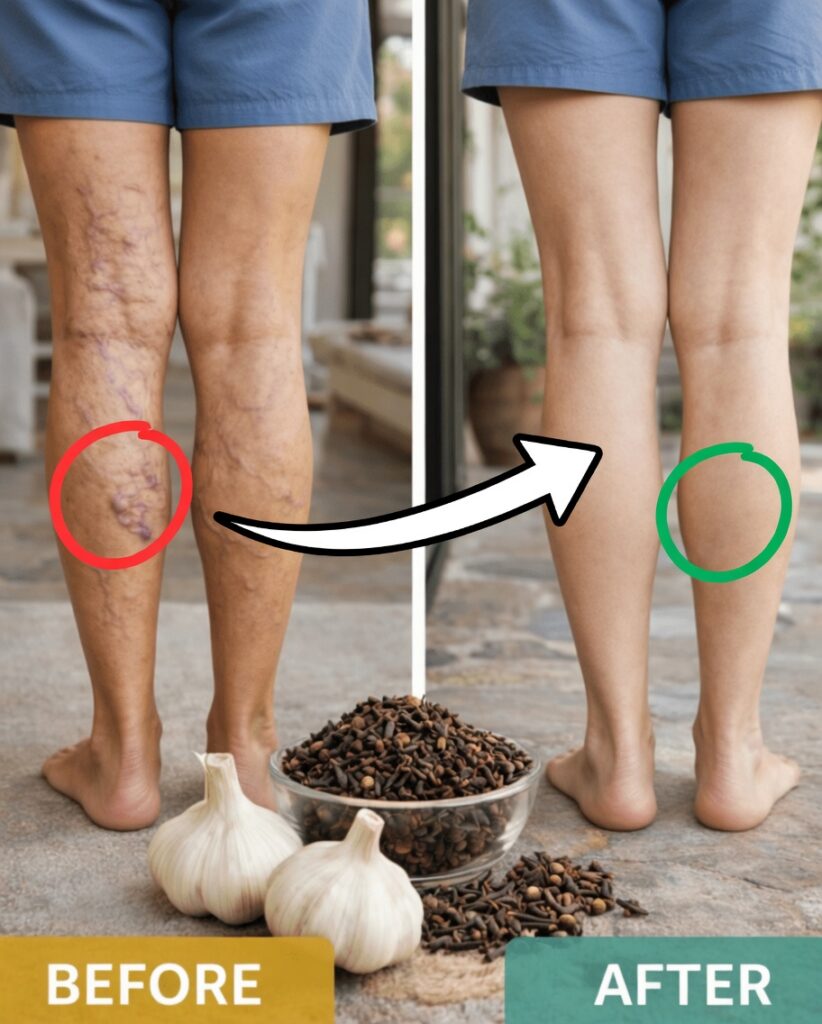
Varicose veins are a common example. When blood collects in the leg veins instead of flowing smoothly, the veins can become enlarged, twisted, and visible under the skin. This may lead to:
- Aching or throbbing pain
- Heaviness and fatigue in the legs
- Swelling, especially later in the day
Arthritis and rheumatic symptoms can add:
- Stiffness in the joints
- Swelling and tenderness
- Reduced range of motion
Poor circulation can make all of these symptoms feel more intense, particularly if you sit or stand without moving much for long stretches.
Research suggests that supporting blood flow and calming inflammation through daily habits may noticeably improve how the legs feel. Some studies on compounds called flavonoids (found in foods such as garlic) indicate potential benefits for vessel health and circulation, though individual responses differ.
Why Focusing on Circulation Helps Your Legs
Healthy circulation delivers oxygen and nutrients to your tissues and helps carry away waste products. When blood moves efficiently through the legs, you’re less likely to experience:
- Heavy, tired sensations
- Persistent swelling
- Dull aches or discomfort after activity
Many people report feeling better when they combine simple strategies like regular movement, leg elevation, and mindful nutrition. Healthcare professionals often recommend these types of lifestyle adjustments as a first-line approach because they are:
- Accessible
- Low-cost
- Generally low-risk when done sensibly
An added bonus: many of the foods that support circulation are easy to find in your local grocery store.
Two Everyday Kitchen Staples for Leg Comfort: Garlic and Cloves
Some widely used culinary ingredients have a long history in traditional wellness practices. Two that often come up in discussions of circulation and comfort are garlic and cloves.
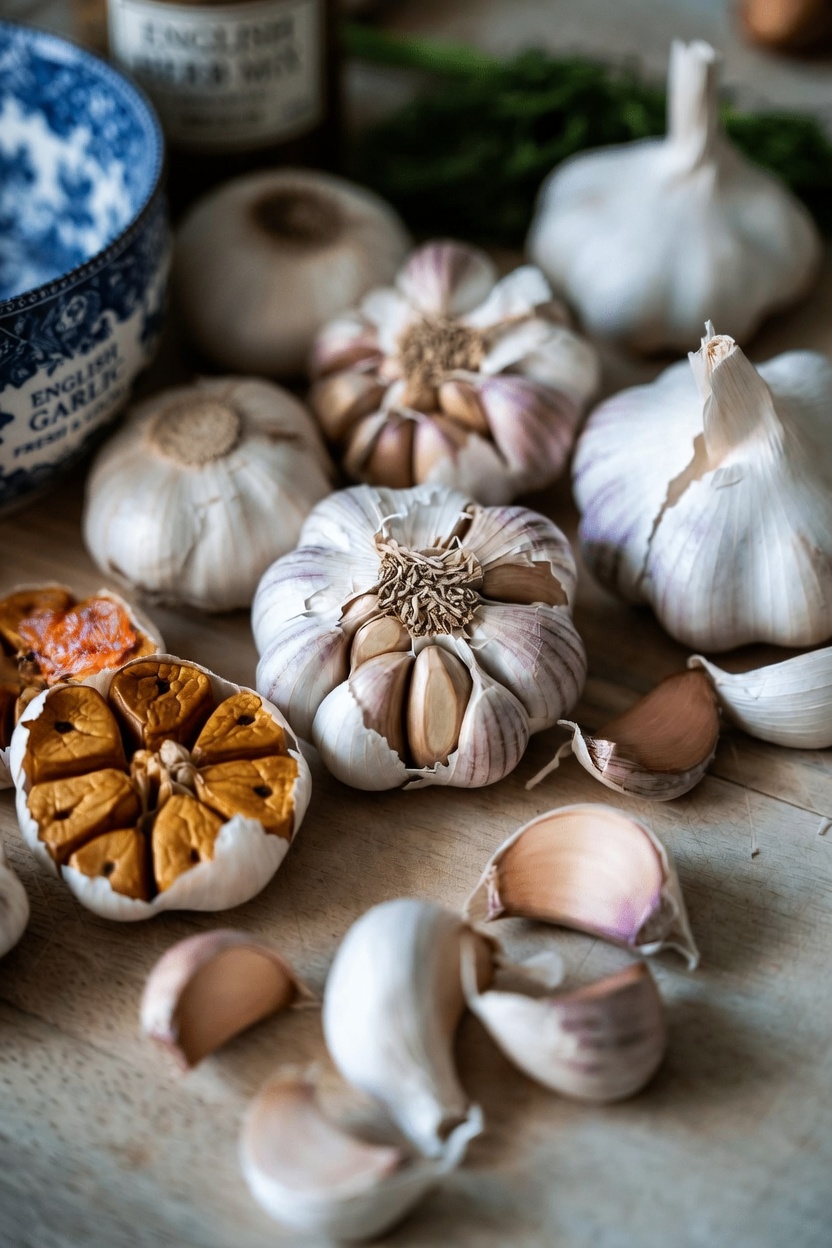
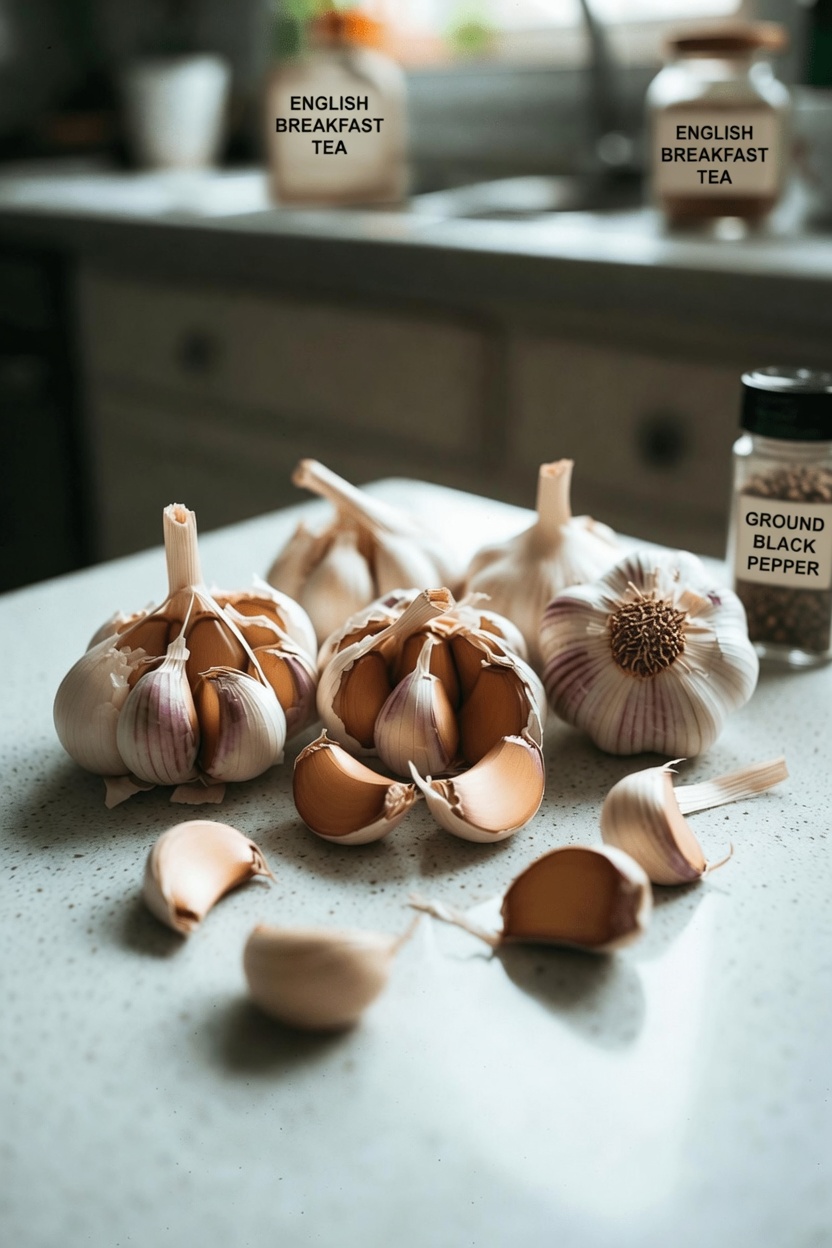
Garlic contains:
- Allicin and flavonoids, which some research associates with:
- Supporting blood vessel function
- Encouraging healthier blood flow
- Helping regulate inflammatory processes
Cloves are rich in:
- Eugenol, a compound known in traditional use for:
- Soothing properties
- Mild warming effects when applied topically
- Potential antioxidant and anti-inflammatory activity
These ingredients are not a substitute for medical treatment, but many people incorporate them into home routines—such as teas or mild topical blends—as a way to complement other healthy habits.
If you’d like to try them, it’s wise to start slowly, pay attention to how your body responds, and talk with a healthcare provider if you have any medical conditions or take medications (especially blood thinners).
Simple Ways People Use Garlic and Cloves
Below are two popular methods people use at home to support general comfort and circulation. These are traditional-style preparations and should be used mindfully.
1. Garlic and Clove Tea for Internal Support
A warm herbal-style drink that some people use to support overall circulation and warmth:
- Boil 2–3 cups of water.
- Add 2–3 crushed garlic cloves and 5–6 whole cloves.
- Reduce heat and simmer for about 10 minutes.
- Strain the liquid, then add a little honey if you like for flavor.
- Drink warm, for example once a day in the morning, if it suits you.
Always listen to your body, and discontinue if you notice any discomfort.
2. Gentle Garlic–Clove Infused Oil for Topical Use
Some people prefer external application to help soothe tired legs:
- Gently warm ½ cup of olive oil over very low heat.
- Add 4–5 crushed garlic cloves and 8–10 whole cloves.
- Let the mixture infuse for 10–15 minutes without overheating or frying the ingredients.
- Remove from heat, cool completely, and strain into a clean glass jar.
- Test a small amount on a small patch of skin first to check for sensitivity.
- If well tolerated, apply a thin layer to the legs and massage very lightly in upward strokes.
If you notice redness, irritation, or burning, wash the area with mild soap and water and stop using the oil. Avoid broken skin, varicose vein bulges, and sensitive areas unless your healthcare provider advises otherwise.
These approaches are rooted in traditional practices, and some sources suggest they may offer modest support for circulation and comfort when used consistently and appropriately.
Evidence-Based Lifestyle Tips to Support Leg Health
Natural ingredients can be a helpful addition, but day-to-day habits often make the biggest difference. Reputable health organizations such as the Mayo Clinic and Healthline highlight the following strategies for managing leg discomfort, varicose veins, and poor circulation:
-
Stay Active with Low-Impact Exercise
Walking, gentle cycling, or swimming activates the calf muscles, which act as a “pump” to help push blood back toward the heart. -
Elevate Your Legs
Try raising your legs above heart level for 15–20 minutes, a few times per day. This can help reduce blood pooling and swelling. -
Use Compression Stockings (with Guidance)
Graduated compression hosiery can support vein function throughout the day. Ask a healthcare professional which strength and type are right for you. -
Maintain a Healthy Body Weight
Reducing excess weight lessens pressure on your veins and joints, which can enhance circulation and comfort. -
Avoid Long Periods of Sitting or Standing Still
Change position regularly. If you sit for work, stand up and walk for a few minutes every hour. If you stand a lot, take seated breaks and do calf raises. -
Choose Supportive, Comfortable Footwear
Low-heeled shoes encourage more natural leg and foot movement and can support better muscle and vein function.
Some people also use targeted vitamins and supplements—such as those supporting vascular health—under medical supervision as an added tool in their leg care routine.
Daily Habits vs. Occasional Fixes: How They Compare
Consistent, small changes are often more effective than one-time solutions. Here’s a quick comparison of common habits and what they may offer:
| Habit or Strategy | Potential Benefit | Suggested Frequency |
|---|---|---|
| Regular walking or light exercise | Boosts circulation and stamina | Daily |
| Leg elevation above heart level | Helps reduce swelling and pooling | 2–3 times per day |
| Eating a balanced, flavonoid-rich diet (e.g., garlic, fruits, vegetables) | Supports vessel health and inflammation balance | Ongoing |
| Gentle topical massage (with or without infused oil) | Provides short-term soothing and relaxation | As needed |
Over time, these practices can add up. Many people report their legs feel lighter, less swollen, and more comfortable when they maintain these habits regularly.
Practical Steps You Can Start Today
You don’t need to change everything at once. Consider these simple, actionable ideas:
-
Morning leg stretches (10–15 minutes)
Include ankle circles, calf stretches, and gentle hamstring stretches to wake up your muscles and encourage circulation. -
Add one new habit and track your symptoms
For example, try elevating your legs each evening for a week and note changes in heaviness, swelling, or pain. -
Stay well hydrated
Water supports good blood flow and fluid balance. -
Include potassium-rich foods
Foods like bananas, spinach, sweet potatoes, and beans can support electrolyte balance, which may help with fluid retention. -
Seek professional advice when needed
If discomfort continues or worsens, consult a healthcare provider. They can check for underlying problems such as vein disease, arthritis progression, or circulation disorders and may recommend treatments, compression therapy, or specific supplements.
Consistency is crucial—steady, manageable changes often create more lasting improvements than drastic, short-term efforts.
Conclusion: Supporting Leg Comfort with Small, Smart Changes
Living with leg discomfort from varicose veins, arthritis, poor circulation, or similar issues can be discouraging, but it doesn’t have to control your life. By:
- Prioritizing circulation-boosting habits
- Mindfully using supportive ingredients like garlic and cloves
- Making simple daily adjustments to movement, posture, and diet
many people find they can move more easily, feel less heaviness, and enjoy better comfort day to day.
Start with one or two changes, observe how your legs respond, and build from there. Listen to your body, work with your healthcare provider when needed, and recognize every bit of progress along the way.
Frequently Asked Questions (FAQ)
How can I quickly relieve heavy or tired legs at home?
To ease heavy legs in the short term, you can:
- Elevate your legs above heart level for 15–20 minutes
- Wear properly fitted compression stockings if your doctor approves
- Perform gentle ankle pumps and calf flexes while lying down or sitting
These actions help encourage blood flow without requiring intense effort.
Are natural ingredients like garlic safe to use every day?
For most people, moderate amounts of garlic as part of regular meals are considered safe. However, you should:
- Talk with your doctor if you take blood-thinning medication or have a bleeding disorder
- Use caution if you have digestive sensitivities or allergies
- Introduce garlic tea or concentrated preparations slowly and observe how you feel
Topical garlic or clove preparations may irritate sensitive skin, so always patch-test first and discontinue if irritation occurs.
When should I see a healthcare professional about leg pain?
Seek medical advice promptly if you experience:
- Sudden, severe leg pain
- Swelling in one leg that appears quickly and doesn’t improve
- Skin changes such as redness, warmth, hard areas, or dark discoloration
- Shortness of breath or chest pain along with leg symptoms
These could signal more serious conditions, such as a blood clot or advanced vascular disease, and require professional evaluation and care.