Many People Still Enjoy These 4 Chicken Parts—But Are They Safe?
Chicken is a staple in many cuisines, and some cuts are especially loved for their unique texture and flavor. However, a few popular chicken parts may also carry higher hygiene and health risks if eaten often or prepared carelessly. Here are four pieces many people still enjoy, along with why you may want to be more cautious.
Chicken Neck
Chicken neck is a favorite for its crispy skin and satisfying bite. What many people don’t realize is that the neck area contains a high concentration of lymph nodes, which play a role in filtering bacteria and toxins in the bird’s body. Because of that, eating chicken neck—especially the skin—may increase the chance of consuming unwanted impurities.
For safer eating, consider limiting how often you eat chicken neck or removing the skin during preparation.
Chicken Tail
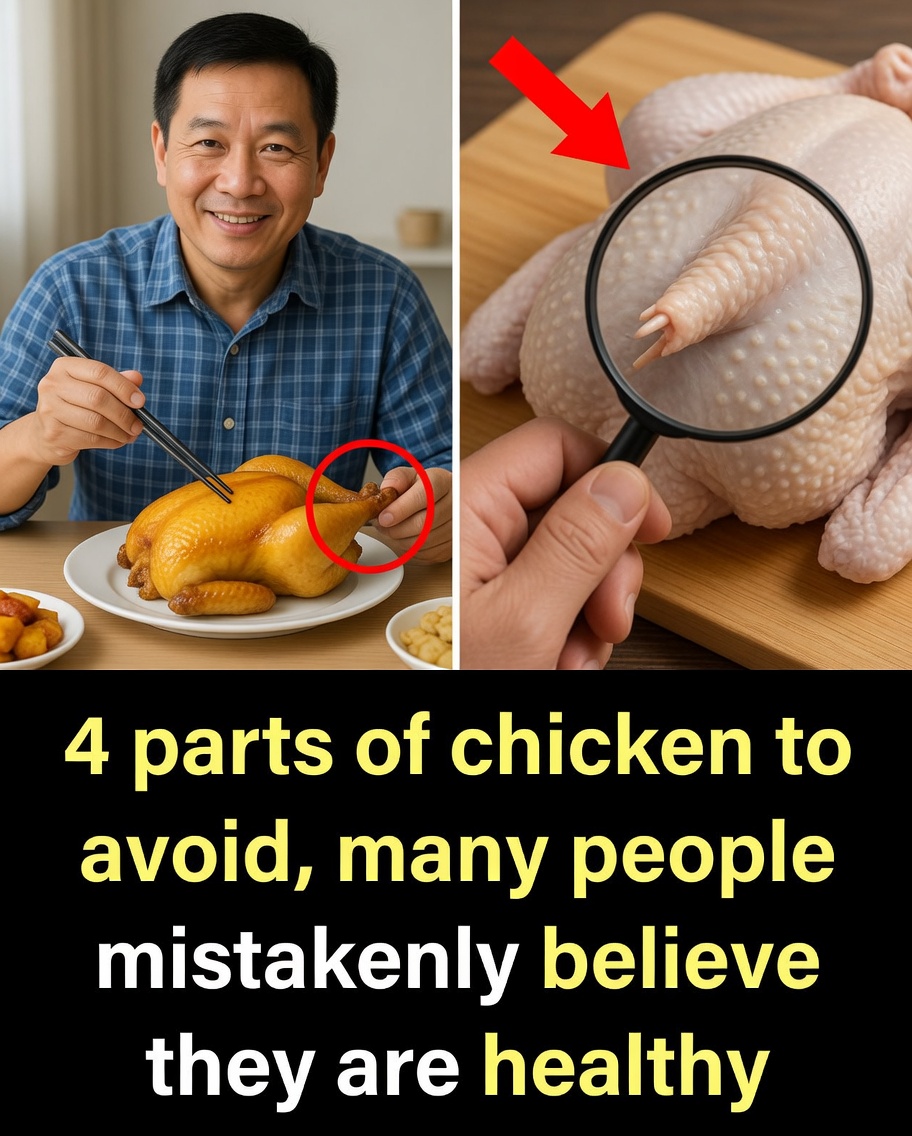
The chicken tail (often known in some regions as “phao câu”) is well-known for its rich, fatty taste. However, this part contains many oil glands and is associated with the bird’s waste-release functions. That makes it more likely to harbor parasites, bacteria, and environmental contaminants.
Even though it can be flavorful, chicken tail is generally not a good choice for frequent consumption due to the potential health concerns.
Chicken Gizzard
The gizzard is a key part of the chicken’s digestive system, responsible for grinding food before digestion. It’s commonly used in stir-fries, soups, and snacks, but it can also trap dirt and bacteria because it directly contacts undigested food.
If you want to eat chicken gizzard, focus on food safety by:
- Cleaning it carefully and repeatedly
- Removing any inner lining or residue
- Cooking it thoroughly until fully done
Chicken Lungs
Chicken lungs are part of the respiratory system and may collect bacteria, parasites, and toxins from the animal’s living environment. Even with high-heat cooking, there may still be a higher risk of contaminants compared to other cuts.
For this reason, many nutrition and food safety experts recommend removing chicken lungs during preparation rather than serving them as food.