A Simple Skincare Secret: How My Nana Uses Baking Soda for Glowing Skin
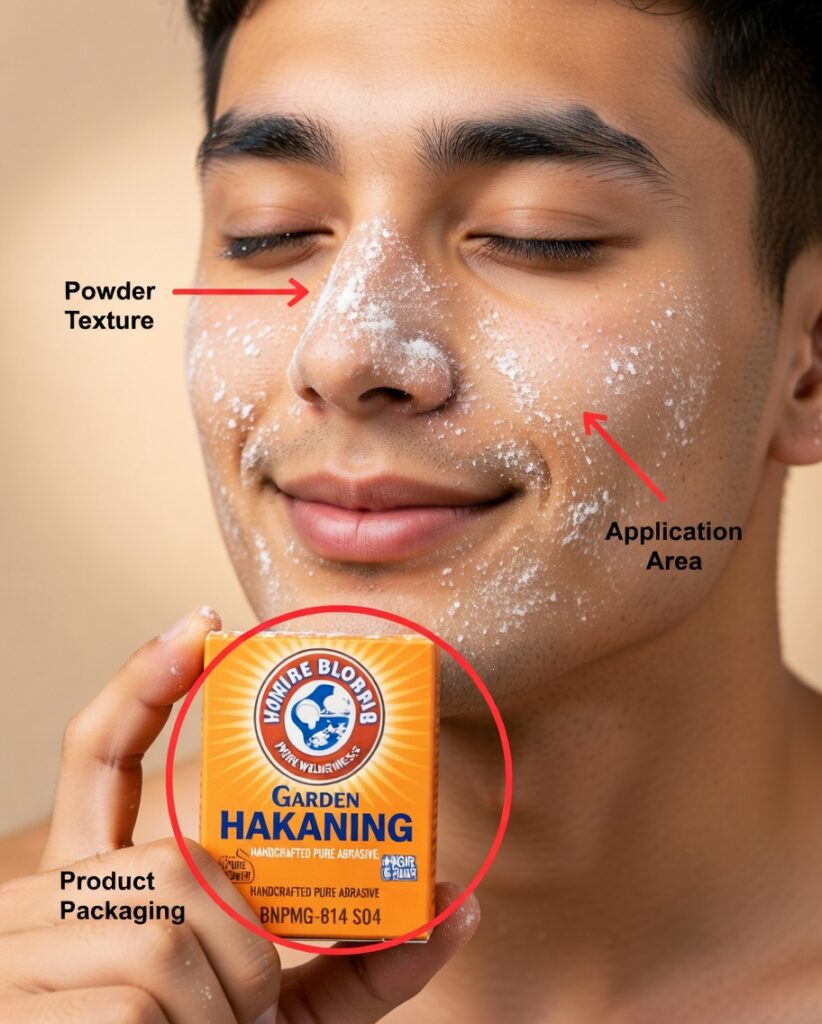
With so many pricey skincare products and multi-step routines on the market, it’s easy to forget that effective beauty care can also be simple. My nana—known in our family for her calm confidence and consistently radiant skin—has relied for years on one modest pantry ingredient: baking soda.
She credits this everyday staple for helping keep her complexion smooth, clear, and refreshed. Below are the three baking soda skincare methods she uses, along with why each one works and what to watch out for.
Why Baking Soda Can Help Your Skin
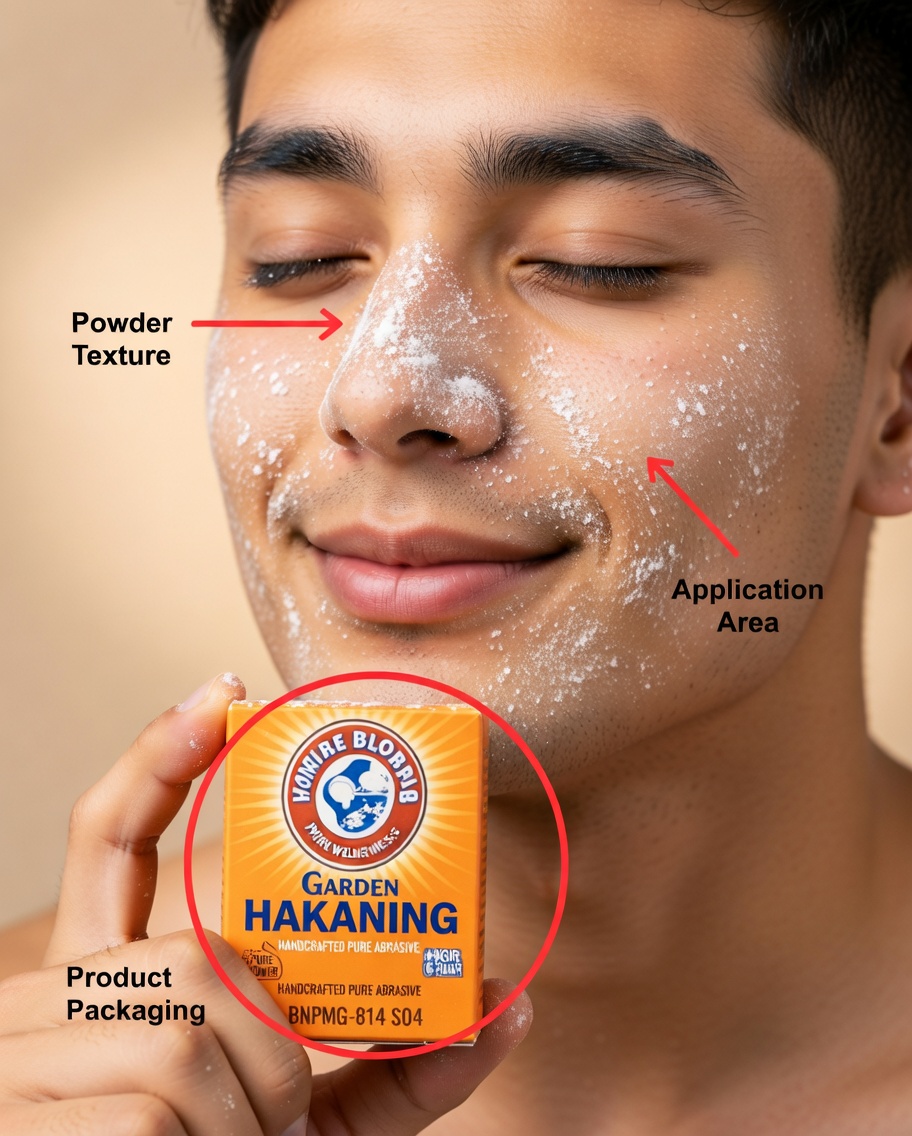
Baking soda (sodium bicarbonate) is widely used for cleaning and deodorizing, but it also has properties that can support a basic skincare routine when used carefully:
- Gentle physical exfoliation: Its fine, slightly gritty texture helps lift away dead skin cells.
- Pore-cleansing effect: Exfoliating can help loosen buildup that contributes to clogged pores and blackheads.
- Skin-refreshing feel: Many people find it leaves skin feeling cleaner and smoother.
- Potential antibacterial support: It may help reduce the bacteria linked to breakouts for some users.
It’s not a cure-all, but as an affordable DIY option, baking soda remains popular for people looking for a minimalist approach to skincare.
Nana’s Method #1: Baking Soda and Water Paste (Quick Exfoliating Cleanse)
Nana’s most basic routine is a baking soda paste made with water.
How she makes it
- Mix 1 tablespoon of baking soda with a few drops of water.
- Stir until it becomes a thick paste.
How she uses it
- She gently rubs the paste onto her face in small circular motions, focusing on areas with blackheads or blemishes.
- After a few minutes, she rinses with warm water.
Why it works
This method acts as a mild exfoliant, helping remove surface dullness and leaving the skin looking smoother and brighter.
Nana’s Method #2: Baking Soda and Honey Mask (Exfoliation + Moisture)
When her skin feels dry or needs extra comfort, she switches to a baking soda and honey face mask.
How she makes it
- Mix 1 tablespoon of baking soda with 1 tablespoon of raw honey.
How she uses it
- Apply an even layer over the face.
- Leave it on for 10–15 minutes, then rinse thoroughly.
Why it works
Honey is known for being naturally moisturizing and naturally antibacterial, which pairs well with baking soda’s exfoliating texture. The result is skin that feels soft, clean, and refreshed—without feeling overly stripped.
Nana’s Method #3: Baking Soda and Lemon Exfoliant (Brightening Boost)
For a more energizing treatment, nana sometimes uses lemon juice with baking soda—but she’s careful with it.
How she makes it
- Combine 1 tablespoon of baking soda with the juice of half a lemon, creating a lightly foaming mixture.
How she uses it
- Gently massage onto the face for 1–2 minutes.
- Avoid the eye area.
- Rinse well.
Why it works
- Lemon’s citric acid can help improve the look of dullness and uneven tone.
- Baking soda supports exfoliation by lifting dead skin cells.
Because lemon is acidic and can increase sun sensitivity, nana uses this method only occasionally and avoids sun exposure afterward.
The Science Behind Baking Soda in Skincare
Baking soda’s skincare effects are often linked to two main characteristics:
- Alkaline pH: It can neutralize acids and help remove residue and buildup.
- Fine granules: These provide physical exfoliation, which can improve the look of texture.
However, there’s a trade-off: baking soda’s high pH may interfere with the skin’s natural protective barrier if used too often or applied too strongly. That’s why dilution and moderation matter.
Why Nana Still Trusts Baking Soda After All These Years
Nana’s loyalty to baking soda is simple: it has worked for her consistently. She values that it’s:
- Affordable and accessible
- Easy to customize depending on what her skin needs
- Minimal and effective without extra additives
To her, it’s more than a skincare trick—it’s a reminder that natural routines passed down over time can still hold real value.
Risks, Precautions, and Who Should Avoid It
Baking soda isn’t ideal for everyone, especially people with sensitive or very dry skin. Possible downsides include:
- Dryness or tightness
- Redness and irritation
- Disruption of the skin barrier with frequent use
Safer use tips
- Do a patch test before applying it to your face.
- Limit use to once or twice per week.
- Always dilute properly (never use it straight on wet skin like a scrub).
- If you have eczema, rosacea, allergies, or chronic irritation, talk to a dermatologist first.
Conclusion: A Timeless, Natural Routine Worth Approaching Carefully
Adding baking soda to your skincare routine can be a simple, budget-friendly way to exfoliate and refresh your skin—just as my nana has done for decades. Her three methods show how one ingredient can be adapted for cleansing, softening, or brightening depending on what your skin needs.
Baking soda isn’t a universal solution, but used carefully and occasionally, it can be a helpful reminder that some of the most effective beauty habits are also the most straightforward.