Ingredients
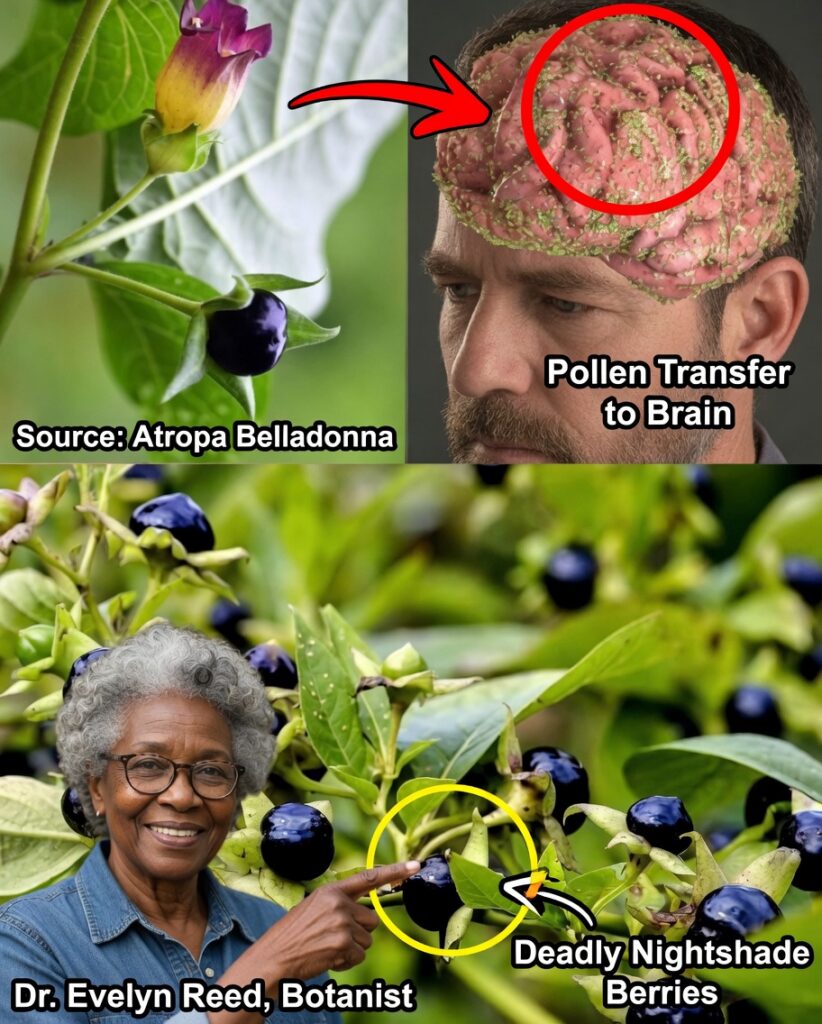
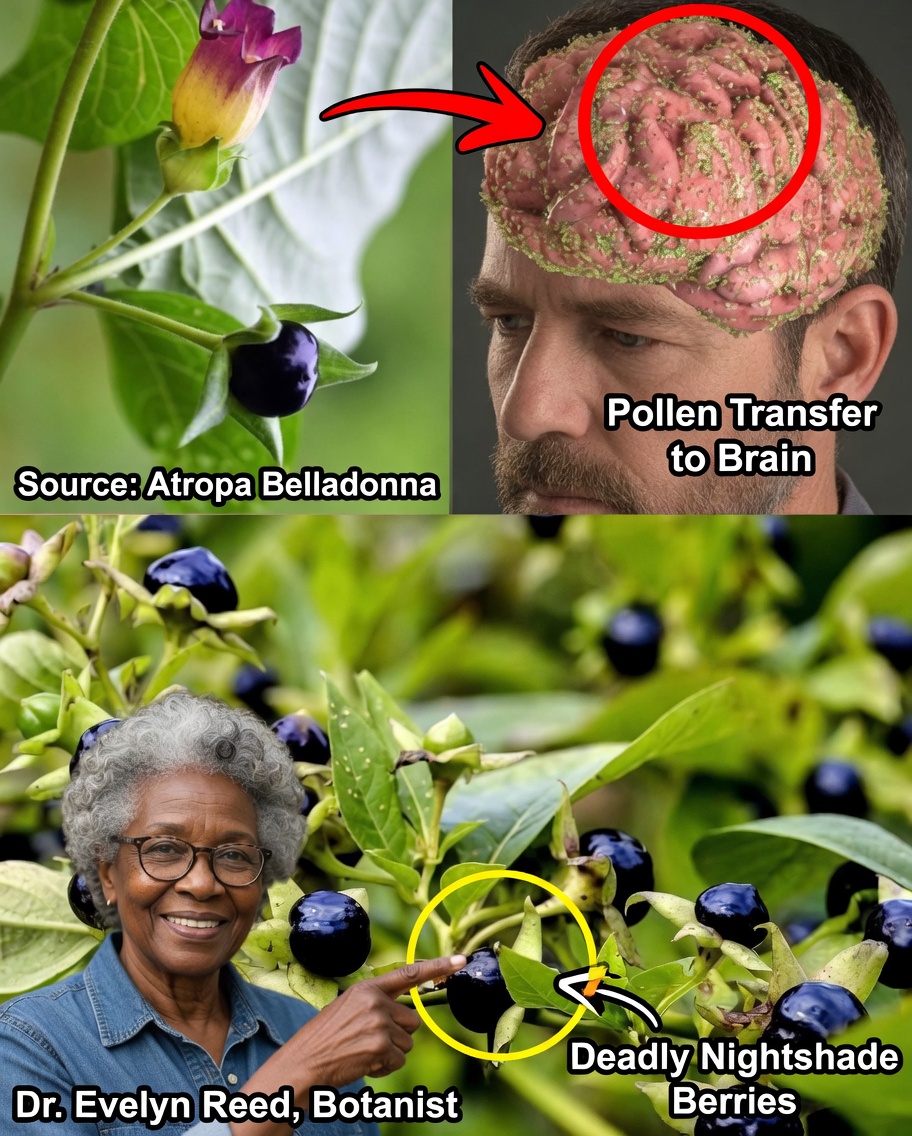
Deadly Nightshade (Atropa belladonna) is an extremely poisonous plant because it contains tropane alkaloids, mainly atropine, scopolamine, and hyoscyamine. These chemicals disrupt the nervous system by blocking acetylcholine, a neurotransmitter essential for muscle control and many automatic body functions. As a result, poisoning can cause serious reactions such as:
- Dilated pupils
- Dry mouth
- Hallucinations and confusion
- Rapid heartbeat
- Paralysis
- Death at high doses
Why Is It So Dangerous?
This plant is particularly risky because every part of it is toxic. However, the berries are the most dangerous, especially for children, because they can look attractive and taste sweet. Ingesting only a small number of berries may be enough to cause fatal poisoning.
Can It Be Used Safely?
Even though it’s highly toxic, Atropa belladonna has a long history of carefully controlled use in medicine and beauty practices:
- Traditional medicine: It was once used as a pain reliever, muscle relaxant, and treatment for issues like motion sickness. In modern healthcare, atropine is still used in measured, clinical doses—for example, to dilate pupils during eye examinations and to help treat certain types of nerve-agent poisoning.
- Cosmetics: During the Renaissance, some women used belladonna eye drops to widen their pupils for a fashionable appearance. This practice was dangerous and could lead to blurred vision or even permanent eye damage.
- Poison and assassination: Historically, deadly nightshade was also used as a poison, valued for its powerful and fast-acting effects.
Should It Be Avoided?
Yes—unless handled by trained professionals. While the plant has limited medical applications, self-use is extremely unsafe. Even small exposures can trigger severe poisoning or death. If anyone accidentally eats any part of deadly nightshade, seek emergency medical care immediately.