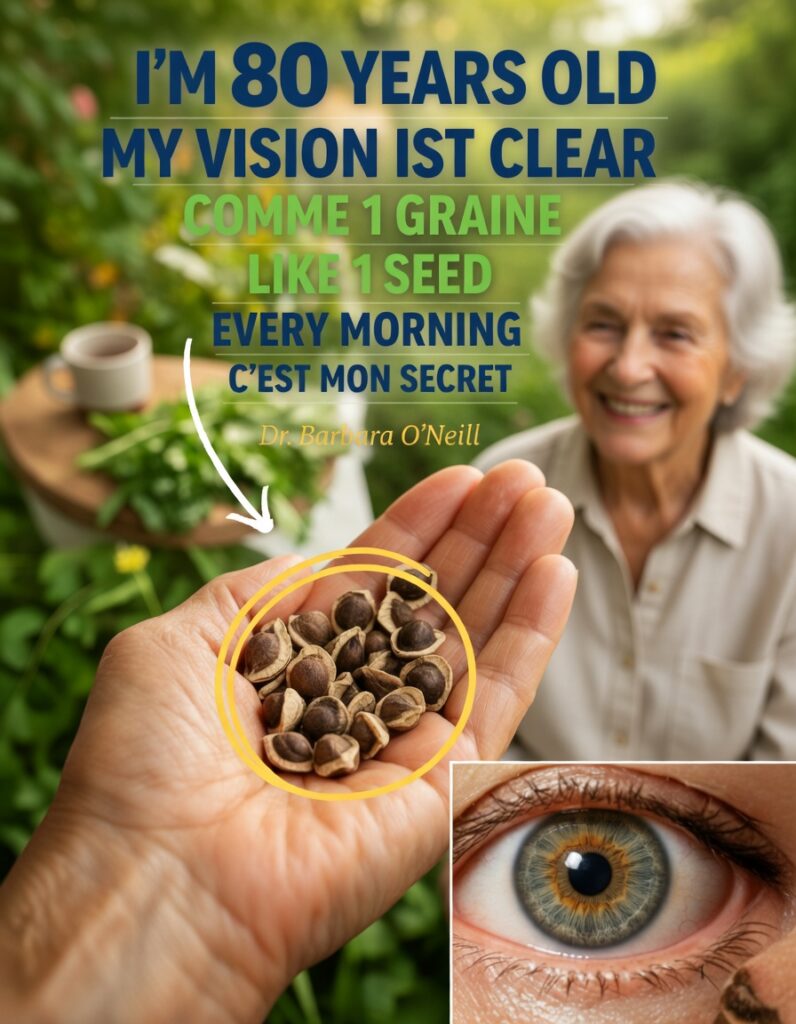
Support Your Eyes and Brain as You Age
As the years go by, many people notice that their eyesight is not as sharp as it used to be. Reading small print, seeing clearly in dim light, or spending long hours in front of screens can become more tiring for the eyes. These changes can be discouraging, especially when they interfere with everyday activities like enjoying a book or recognizing faces from a distance.
At the same time, looking after your brain becomes just as important. Keeping the mind active and well-nourished helps support memory, focus, and overall mental well-being.
The encouraging news: a few nutrient-dense seeds, used as a simple daily habit, may offer valuable support for both eye health and brain function.
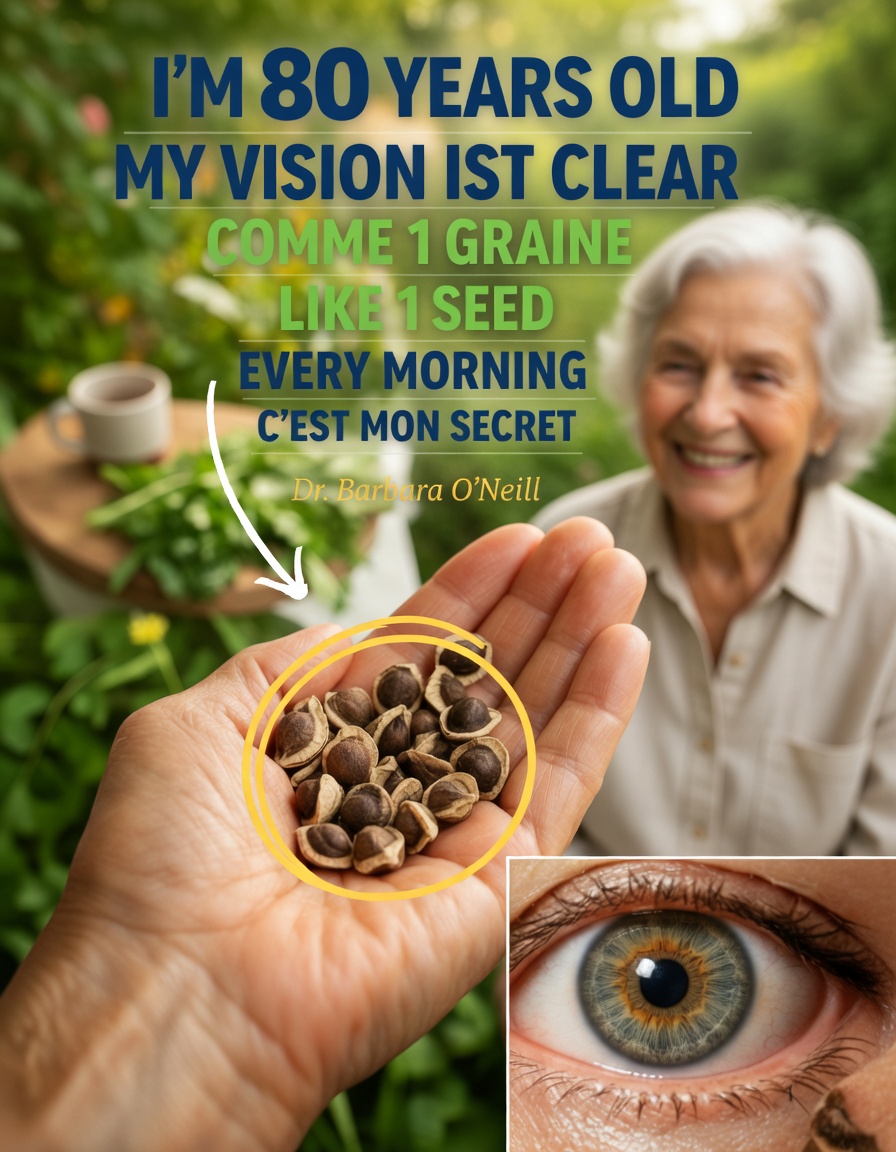
Thanks to their natural content of antioxidants, healthy fats, and key vitamins, these seeds have long been valued in traditional nutrition and are increasingly explored in modern scientific research. Below, you’ll discover three standout seeds, why they matter, and how to easily include them in your morning routine.
Why Do Vision and Brain Function Decline With Age?
Aging brings natural changes in the body. In the eyes, antioxidant defenses can weaken, leaving tissues more vulnerable to damage. In the brain, communication between neurons tends to slow down. Daily oxidative stress can accelerate these processes, and a diet low in essential nutrients may fail to provide adequate protection.
Research suggests that nutrients such as:
- Vitamin A
- Omega‑3 fatty acids
- Lutein and zeaxanthin
- Vitamin E
play a role in maintaining normal vision and supporting healthy cognitive function. Antioxidants help neutralize free radicals, while good fats support the cell membranes in the retina and brain tissue.
Interestingly, a few common seeds are naturally rich in many of these compounds, making them an accessible, practical addition to a vision- and brain-friendly diet.
The 3 Best Seeds to Eat Every Morning
The following three seeds stand out for their impressive nutrient profile and ease of use. Including them regularly may help support visual clarity and mental sharpness as part of an overall healthy lifestyle.
1. Moringa Seeds – A Natural Nutrient Powerhouse
Moringa oleifera seeds come from the so‑called “miracle tree” and are loaded with antioxidants, including beta‑carotene (which the body converts to vitamin A) and other protective plant compounds.
Studies on moringa extracts suggest they may help reduce oxidative stress in eye tissues, supporting the health of the lens and retina. Vitamin A is crucial for normal vision, particularly in low‑light conditions, and moringa’s anti‑inflammatory properties may also promote overall eye comfort.
For the brain, these antioxidants and nutrients help limit oxidative damage in nerve cells, which may support clearer thinking and better memory over time.
How to use moringa seeds safely:
- Start with 1–2 seeds per day (remove the shell if needed).
- Chew them slowly or grind and blend into smoothies.
- Take them in the morning, ideally on an empty stomach.
2. Chia Seeds – Plant-Based Omega‑3 for Lasting Support
Chia seeds are tiny but exceptionally nutrient-dense. They provide plant-based omega‑3 fatty acids (ALA), which the body can partially convert into DHA and EPA—fats that are important for the structure of the retina and for communication between brain cells.
Nutritional studies link omega‑3 intake with better macular health and reduced eye dryness. For the brain, omega‑3 fats are associated with maintained cognitive function and may support mood and concentration in older adults.
Chia seeds are also high in fiber, which helps stabilize energy levels throughout the day and supports healthy digestion.
Easy ways to add chia seeds:
- Soak 1–2 tablespoons in water or plant-based milk overnight.
- Stir them into yogurt, oatmeal, or fruit bowls.
- Preparing them the night before makes your morning routine simpler.
3. Flaxseeds – Lignans and Extra Protection
Ground flaxseeds (linseeds) offer lignans—powerful antioxidant compounds—along with omega‑3 fatty acids and vitamin E.
Vitamin E supports eye health by protecting cells from oxidative damage. The nutrients in flaxseeds also promote healthy blood vessels, which is essential for delivering oxygen and nutrients to both the retina and the brain.
Some research indicates that flax intake may benefit cognitive performance thanks to its anti‑inflammatory effects and its positive impact on circulation.
Practical tips for using flaxseeds:
- Grind the seeds just before eating (whole seeds are poorly digested).
- Use 1–2 tablespoons per day in cereals, smoothies, or recipes.
- Store ground flax in the refrigerator to keep it fresh.
Quick Nutrient Snapshot
- Moringa seeds: High in vitamin A precursors and antioxidants; support eye tissues and overall vitality.
- Chia seeds: Excellent source of plant omega‑3 and fiber; help maintain retinal and brain health.
- Flaxseeds: Rich in lignans, vitamin E, and omega‑3; promote circulation and protect cells from oxidative damage.
All three are relatively inexpensive, widely available, and very versatile in everyday meals.
A Simple Morning Routine to Get Started
You can turn these seeds into a quick, daily ritual:
- On waking, drink a glass of water.
- Prepare a mix with:
- 1–2 moringa seeds
- 1 tablespoon soaked chia seeds
- 1 tablespoon freshly ground flaxseeds
- Add this mix to a smoothie with fruit and yogurt, or stir it into warm oats.
- Be consistent—regular use matters more than being perfect every day.
- Notice how you feel after 2–4 weeks in terms of energy, focus, and eye comfort.
- Begin with small amounts and increase gradually to minimize any digestive discomfort.
What Does Science Say About Seeds and Healthy Aging?
A growing body of research highlights how diet influences both vision and brain health:
- Antioxidants like those in moringa can help counteract age-related oxidative stress in eyes and brain.
- Omega‑3 sources such as chia and flax support the structure and function of retinal and neural tissues.
- Overall, nutrient-rich, plant-forward eating patterns are linked with better long-term health outcomes.
Individual responses can differ, but these seeds fit well within current recommendations for a balanced, plant-based diet that supports healthy aging.
Conclusion: A Small Habit for Greater Clarity
Adding these three seeds to your morning is a simple, natural way to support both your eyesight and your brain. Combined with regular medical check-ups, physical activity, and a varied, wholesome diet, this small daily habit can contribute to better clarity and well-being over time.
Why not give it a try tomorrow morning?
Frequently Asked Questions
How much should I take when starting out?
Begin slowly to let your body adjust:
- Around 1 moringa seed per day
- 1 teaspoon of chia seeds
- 1 teaspoon of ground flaxseeds
After a week or two, you can gradually increase toward 1–2 moringa seeds and 1–2 tablespoons of chia and flax per day, as tolerated.
Are there any side effects?
Most people tolerate these seeds well. However:
- Chia and flax are high in fiber and can cause mild bloating or gas if introduced too quickly or eaten dry without enough fluid.
- Always drink plenty of water when increasing fiber intake.
- If you have specific medical conditions, take medications (especially blood thinners), or are pregnant or breastfeeding, check with a healthcare professional before making major dietary changes.
Can these seeds replace medical advice or treatment?
No. These seeds are supportive foods, not medications. They can complement, but never replace:
- Professional medical advice
- Regular eye and health check-ups
- Prescribed treatments or therapies
Use them as part of an overall healthy lifestyle, and consult your doctor or eye care specialist about any concerns regarding your vision or cognitive health.