When You First Notice Your Scalp Showing
One morning, under bright bathroom lights, you brush your hair and suddenly realize your scalp looks more visible than it used to. Each stroke of the comb brings out more strands, and it feels like your hair is thinning right in front of you.
It can be uncomfortable or even embarrassing, especially when grandchildren make light-hearted comments or when photos highlight sparse patches you never noticed before.
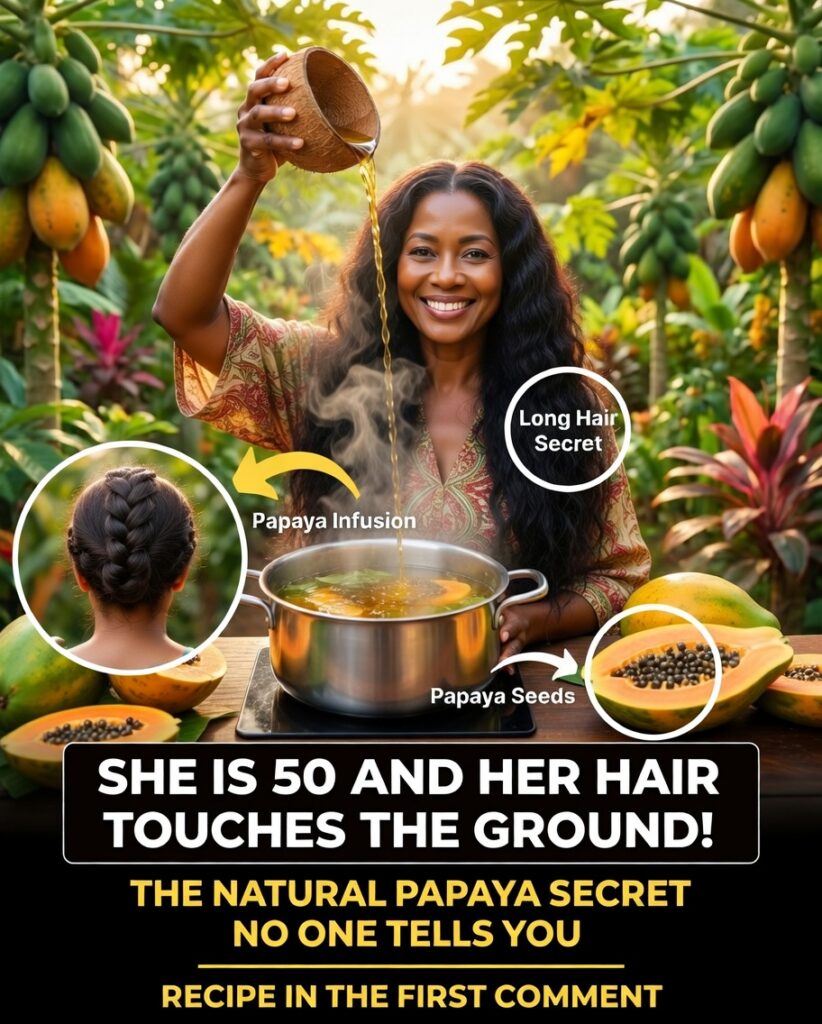
Many people quietly turn to home remedies, hoping to improve the look of their hair. But some of these “tricks” can actually make things worse if they’re used the wrong way. One example that’s getting a lot of attention lately: papaya leaves.
Papaya leaves are often mentioned as a natural hair helper, yet very few people know how to use them safely.
And the most common mistake with papaya leaf mixtures may be exactly what’s irritating the scalp instead of helping it. The real secret is not the leaf itself, but how you prepare and apply it.
Why Papaya Leaves Are Trending in Natural Hair Care
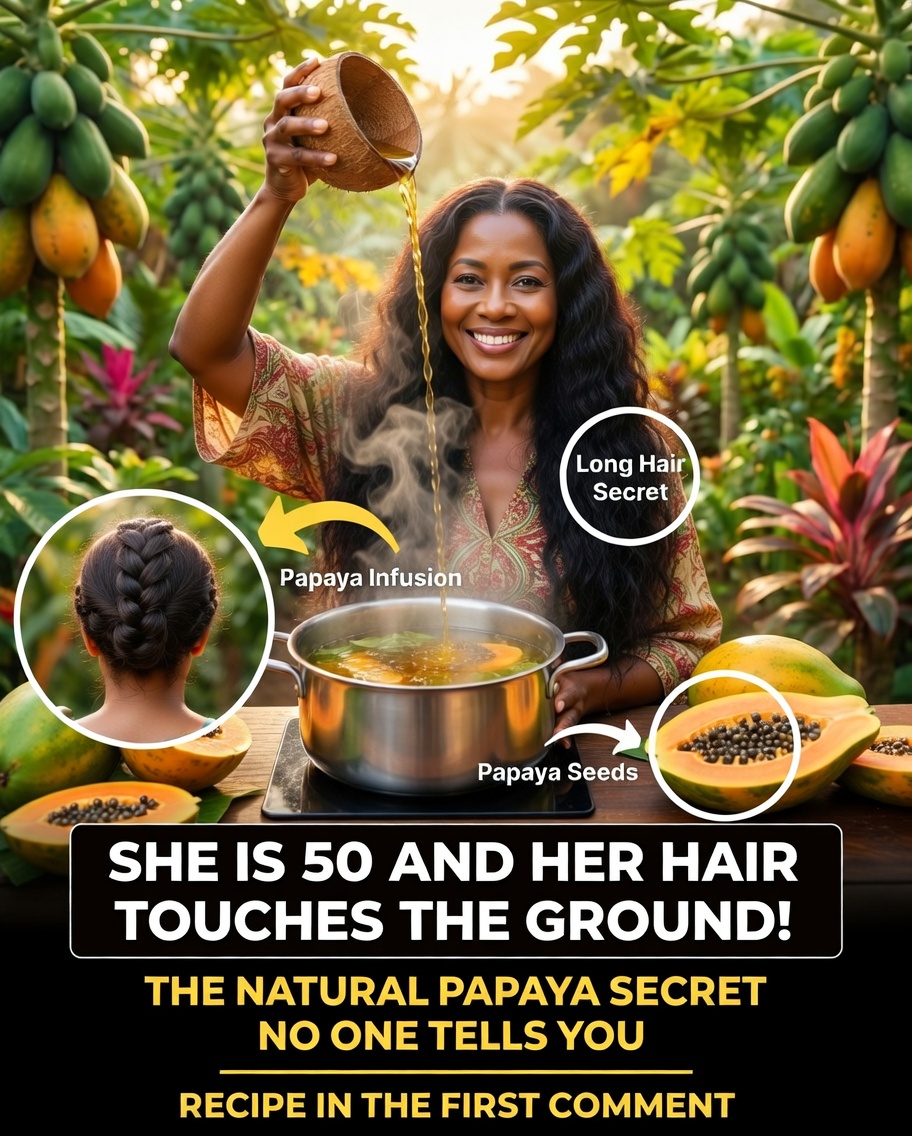
In many tropical countries, papaya leaves have long been part of traditional wellness practices. Older generations used to boil them to make simple hair rinses or scalp lotions. Today, this old-fashioned habit is making a comeback as people around the world look for more natural, minimalist hair routines.
Here are some reasons papaya leaves are attracting interest in natural hair care:
- They contain natural compounds such as enzymes and antioxidants
- Traditional practices sometimes use them to freshen and cleanse the scalp
- They are easy to find in warm climates where papaya trees grow
- Some people believe they support a comfortable, healthy-feeling scalp
However, that’s only one side of the story.
Even natural ingredients can cause problems if they’re used incorrectly. Many viral home remedies skip essential details like how much to dilute, how often to apply, and how to account for sensitive or aging skin. For older adults, whose scalps are often drier and more delicate, this matters even more.
Botanical research published in nutrition and plant science journals shows that papaya leaves contain compounds such as papain, flavonoids, and vitamin-rich nutrients. These are being studied for their antioxidant properties. At the same time, researchers consistently warn that natural extracts should be used with care on the skin and scalp.
In other words, the leaf itself is not a miracle fix. The real difference comes from gentle, appropriate use.
And that leads directly to a mistake many people make without realizing it.
The Common Mistake People Make With Papaya Leaves
Here’s where things often go wrong:
- People boil papaya leaves into a very strong, concentrated liquid
- Then they apply this solution directly to the scalp without testing it first
This can easily lead to:
- Itching
- Irritation
- Tightness
- Dryness
As we age, the scalp usually produces less natural oil (sebum). Strong, undiluted mixtures can be too harsh. Instead of improving the appearance of the hair, they may cause discomfort and make the scalp feel worse.
A simple comparison:
| Habit | Common Result |
|---|---|
| Very concentrated mixture | Irritation or dryness |
| Light, diluted rinse | Typically more gentle |
| Daily application | Scalp overload, buildup |
| 1–2 times per week | Better balance |
There’s another key point many people miss:
They focus only on the hair strands. In reality, a clean, comfortable scalp is the foundation for hair that looks and feels better.
A Gentler Way to Prepare a Papaya Leaf Hair Rinse
If you want to try papaya leaves in your hair routine, a mild approach is safer and more comfortable for most people.
Step-by-step preparation
- Wash several fresh papaya leaves thoroughly to remove dust or residue
- Cut the leaves into small pieces
- Place them in a pot with water and bring to a boil
- Let them simmer gently for about 15 minutes
- Turn off the heat and allow the liquid to cool completely
- Strain the mixture so you keep only the light green water and discard the leaf pieces
Key point:
The rinse should be light and diluted, not thick, sticky, or extremely bitter-smelling.
How to use the rinse
- Shampoo your hair with a mild, gentle product
- Rinse out the shampoo thoroughly
- Slowly pour the cooled papaya leaf liquid over your scalp and hair
- Gently massage your scalp with your fingertips for about a minute
- Rinse again with lukewarm water
There is no need to leave the mixture on for a long time. A short, gentle contact is usually enough.
Habits That Matter More Than Any Single Natural Remedy
No single leaf, oil, or homemade mask controls the long-term condition of your hair and scalp.
Research consistently shows that lifestyle and daily habits play a major role in how your hair and scalp look and feel.
Helpful habits include:
- Eating a varied, balanced diet with enough protein, vitamins, and minerals
- Drinking sufficient water throughout the day
- Avoiding very tight hairstyles that pull on the roots
- Choosing a gentle shampoo suitable for your scalp type
- Limiting very hot water, which can dry out the scalp and hair
Stress also plays a significant role. Ongoing stress can affect overall health, including hair shedding and scalp comfort.
Practical Safety Tips Before Using Papaya Leaves
If you’re thinking about trying a papaya leaf rinse, keep these precautions in mind:
- Always perform a patch test on a small area of skin first
- Use diluted mixtures rather than thick, highly concentrated ones
- Do not apply on broken, inflamed, or already irritated skin
- Limit use to about 1–2 times per week, not every day
- Stop immediately if you notice burning, redness, itching, or any unusual reaction
A simple rule to remember:
“Natural” does not automatically mean “gentle” or “safe for everyone.”
Conclusion: Papaya Leaves as a Support, Not a Solution
Papaya leaves can be an interesting addition to a natural hair care routine, especially as a mild scalp rinse. However, the biggest mistake is using them in very concentrated forms or applying them too frequently.
A truly supportive routine is built on:
- Gentle, consistent hair and scalp care
- A nutritious, balanced diet
- Paying attention to how your scalp feels and responds
Comfort is one of the best indicators. If your scalp feels calm, not tight, itchy, or irritated, you are more likely on the right track.
Frequently Asked Questions
Do papaya leaves really promote hair growth?
Current scientific evidence is limited. Papaya leaves are mainly studied for their antioxidant and cleansing properties. They may help keep the scalp feeling clean and fresh, which can support overall scalp comfort, but they are not a proven hair growth treatment.
How often can I use a papaya leaf rinse?
For most people, 1–2 times per week is enough. Using it too often, especially if it is not well diluted, can dry out or irritate the scalp.
Are papaya leaves safe for everyone?
Not necessarily. People with sensitive skin, allergies, or existing scalp conditions should be particularly cautious. A patch test is strongly recommended before first use, and any sign of irritation means you should stop immediately.
Medical Disclaimer
This article is for informational purposes only and does not replace professional medical advice, diagnosis, or treatment. If you have persistent hair loss, scalp discomfort, or any ongoing concern, consult a healthcare provider or dermatologist.