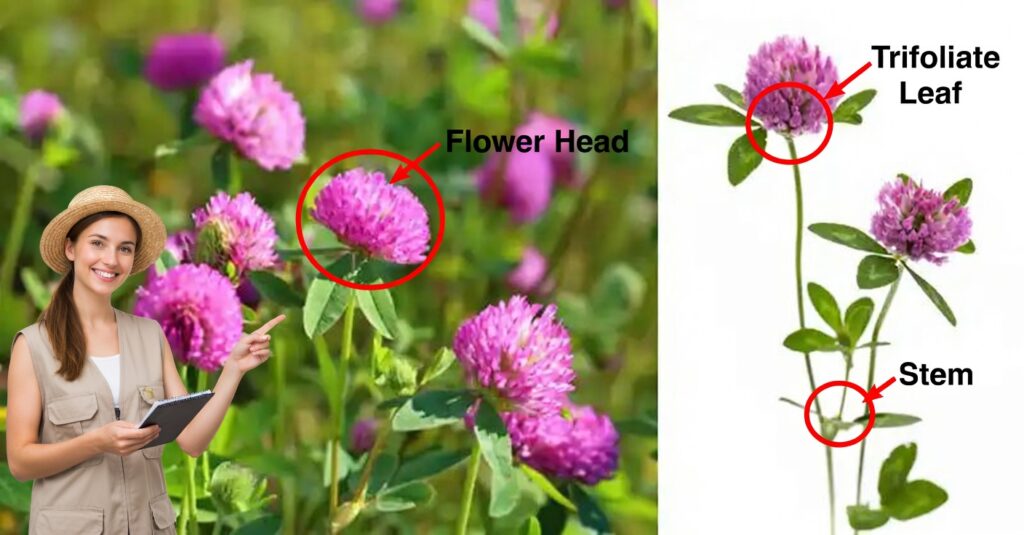
Red Clover (Trifolium pratense): Uses, Benefits, and Safe Ways to Take It
Red clover (Trifolium pratense) is a bright, pinkish-purple wildflower that grows widely in meadows and grassy fields throughout Europe, Asia, and North America. Although it’s often dismissed as just another common field plant, red clover has a long history in traditional herbal medicine thanks to its naturally occurring wellness-supporting compounds.
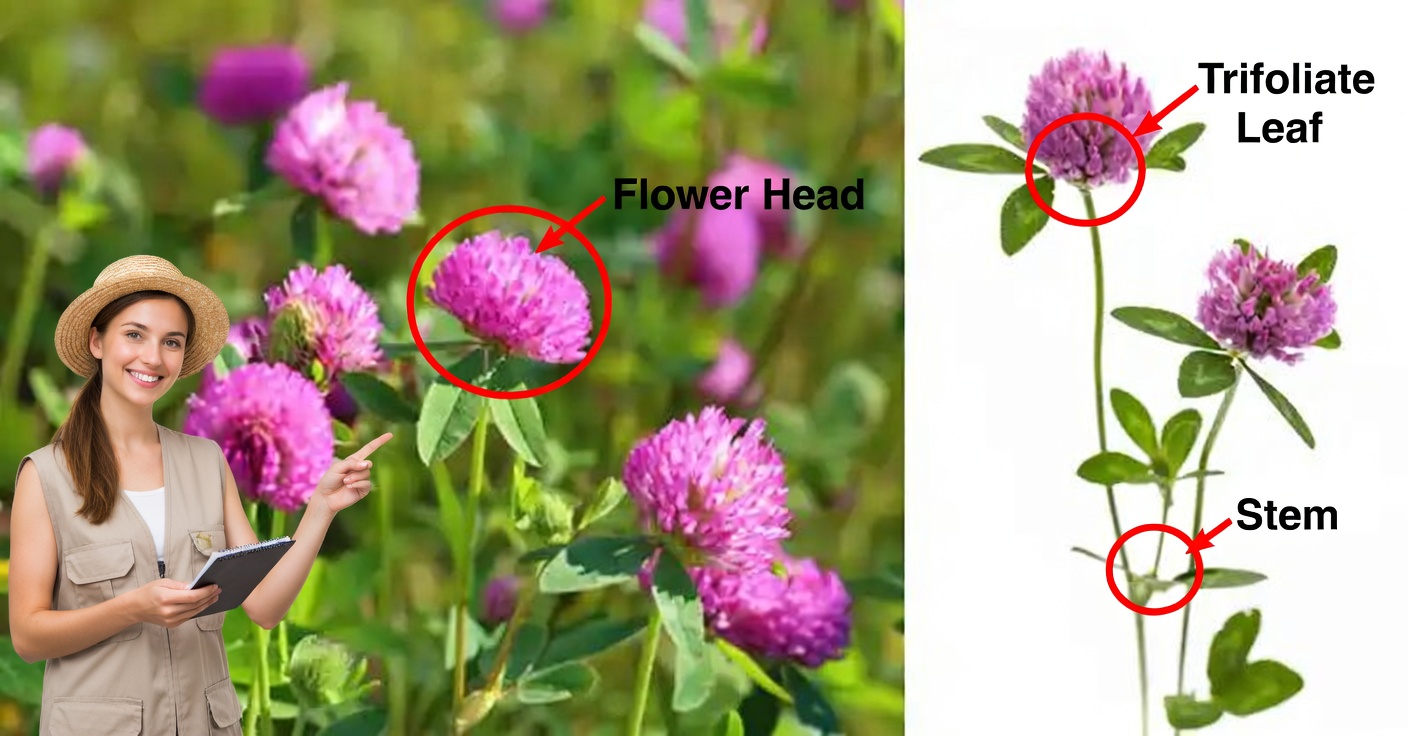
This herb is valued for its isoflavones (plant compounds that can act similarly to estrogen in the body), along with antioxidants and helpful nutrients. People use red clover in several forms—including tea, tinctures, capsules, topical salves, and even food—for gentle, natural support.

15 Potential Benefits of Red Clover
1. Helps Support Hormonal Balance (Especially During Menopause)
Red clover is best known for helping ease common menopause-related discomforts such as hot flashes, night sweats, and mood changes. Its isoflavones may help support steadier estrogen activity.
2. Soothes Irritated Skin
When applied to the skin as a salve, oil infusion, or wash, red clover may help calm eczema, psoriasis, minor rashes, and redness due to its soothing, anti-inflammatory nature.
3. May Promote Bone Strength
Because isoflavones may support hormone balance, red clover is often used to help maintain bone density, especially for postmenopausal women, potentially lowering osteoporosis risk.
4. Supports Heart and Circulation Health
Red clover is commonly used to encourage healthy circulation, support flexible blood vessels, and help maintain healthy blood pressure. It may also support cholesterol balance, including raising HDL (“good” cholesterol).
5. Traditionally Used for Gentle Detox Support
In herbal traditions, red clover is considered a mild blood purifier and lymph-support herb, often used to aid natural cleansing processes and support liver function.
6. May Ease Menstrual Discomfort
Its hormone-modulating properties may also help with menstrual cramps and cycle irregularity for some people.

7. Helps Strengthen Immune Defenses
Red clover contains plant compounds that may support the body’s natural immune response, helping you stay more resilient.
8. May Reduce Inflammation
Thanks to its anti-inflammatory constituents, red clover is sometimes used to support comfort in inflammatory issues, including arthritis-related discomfort.
9. Traditionally Used for Coughs and Bronchitis
In folk herbal use, red clover has been taken to soothe the respiratory system. It can act as a gentle expectorant, helping loosen and clear mucus.

10. Supports Scalp and Hair Health
Some users turn to red clover for thinning hair or scalp issues, believing it may help by promoting healthier circulation and nourishing the follicles.
11. May Improve Skin Clarity From Within
Regularly drinking red clover tea is often associated with a brighter complexion, potentially by supporting liver health and reducing internal inflammation.
12. Aids Digestion
Red clover may help support digestion by improving appetite, easing minor indigestion, and promoting more comfortable gut function.
13. May Offer Antioxidant Support for Cellular Health
Red clover isoflavones provide antioxidant activity that may help protect cells from oxidative stress and potential DNA damage, although more research is still needed.
14. Promotes Relaxation and Better Sleep
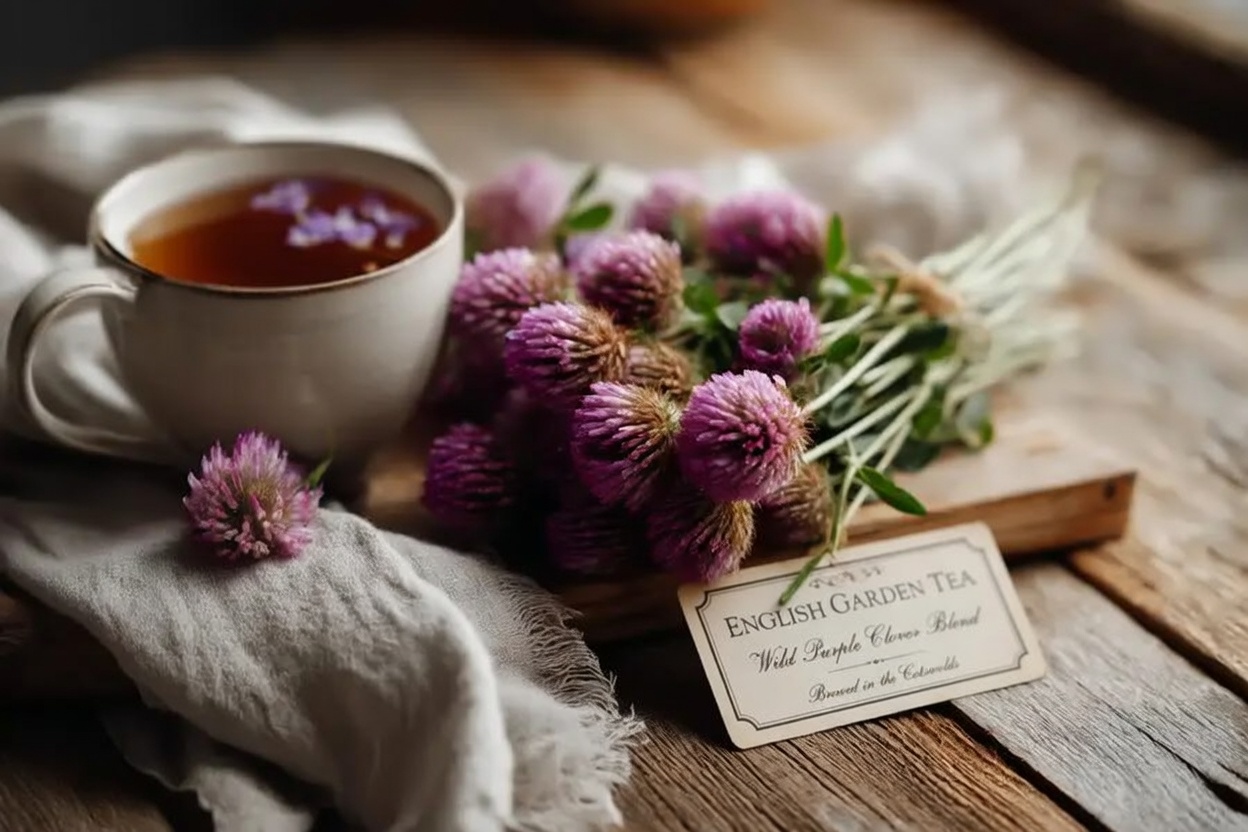
A warm cup of red clover tea can feel gently calming, supporting the nervous system during times of stress or anxious feelings.
15. May Support Prostate Health
Although often discussed as a women’s herb, red clover’s anti-inflammatory and hormone-modulating effects may also be helpful for men, particularly for prostate support.
How to Use Red Clover
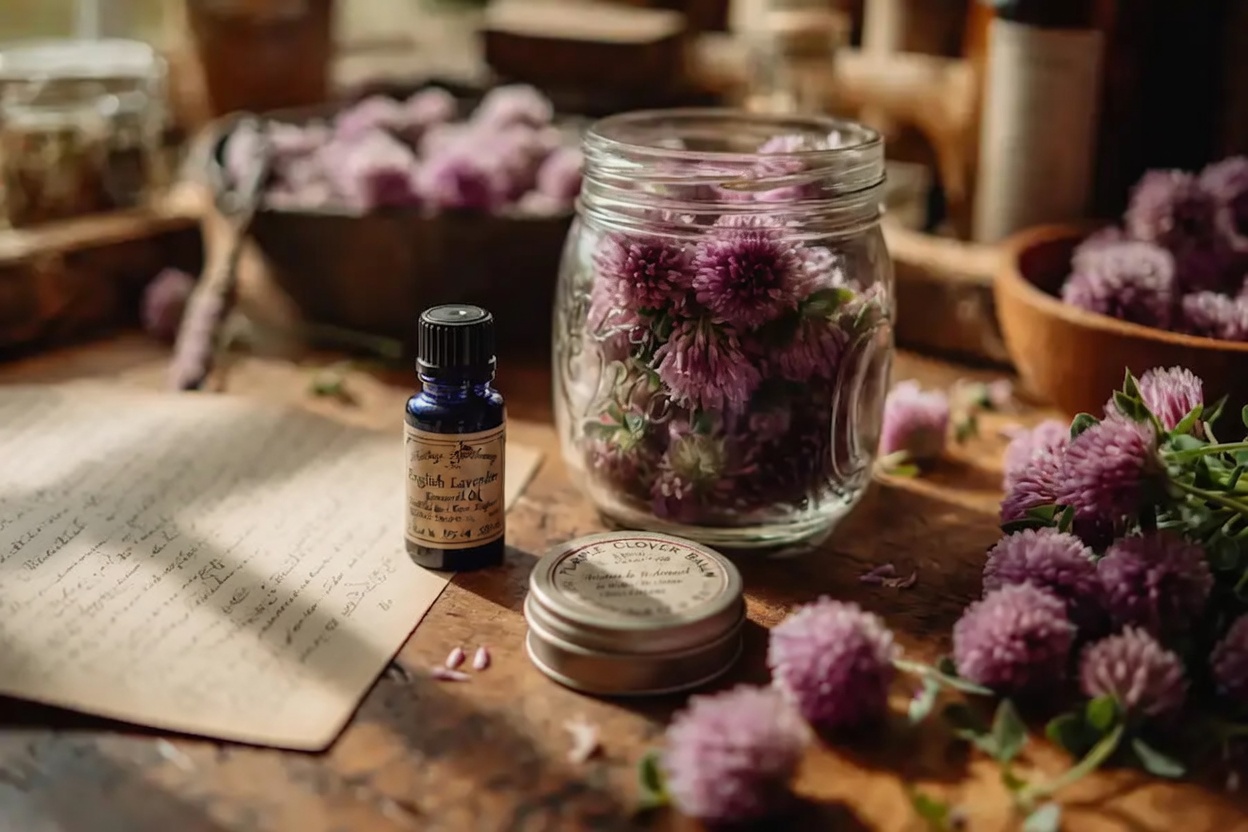
Red clover can be taken in different forms depending on your goals and preferences.
1. Red Clover Tea
How to prepare:
- Add 1–2 teaspoons of dried red clover blossoms to 1 cup of hot water
- Steep for 10–15 minutes
- Drink 1–2 times per day
Tea is commonly used for hormonal support, skin health, gentle detox support, and relaxation.
2. Red Clover Tincture
- Take 1–2 dropperfuls, diluted in water, 2–3 times daily
- Often chosen for more focused, whole-body herbal support
3. Topical Salve or Infused Oil
- Apply red clover salve or infused oil to areas affected by rashes, dryness, eczema, or irritation
- Useful for targeted skin comfort
4. Red Clover Capsules (Supplements)
- Use as directed on the label or as recommended by a qualified healthcare professional
- A convenient option for people seeking support for hormonal balance or bone health
5. Fresh Red Clover in Food (Optional)
- Add young leaves and blossoms to salads or blend into smoothies
- Provides a mild herbal flavor and a nutritional boost
Precautions and Disclaimer
Red clover is generally considered safe for most people when used moderately, but it contains phytoestrogens, so it may not be appropriate for everyone. Use caution or avoid red clover if you are:
- Managing hormone-sensitive conditions (such as estrogen-positive cancers)
- Pregnant or breastfeeding, unless guided by a qualified professional
- Taking blood thinners, since red clover may mildly affect clotting
Always consult a healthcare professional before starting any herbal routine—especially if you take medications or have an ongoing health condition.
Final Thoughts
Red clover is far more than a decorative meadow flower. As a traditional herbal ally, it’s widely used for hormonal balance, skin support, circulation, gentle detox support, and overall wellness. Whether you choose it as a tea, tincture, supplement, or topical remedy, red clover offers a simple, plant-based way to support your health naturally.