
Tired Eyes in a Digital World
Your eyes sting a little after another long day in front of screens. Text doesn’t look as crisp as it used to. Blinking no longer brings instant relief. You may be wondering whether this is just “getting older” or if there’s something gentle you could do now to support your eyes before discomfort becomes your new normal.
Every day, millions of people over 45 quietly accept eye strain as inevitable. Dryness, tightness, and that dull heaviness behind the eyes often creep in gradually. Yet few stop to ask a simple question: could small, daily habits help your eyes feel clearer, lighter, and more refreshed again?

Surprisingly, the answer may begin with three very familiar foods—not fancy supplements or complex routines. Just cucumber, ginger, and carrot. They might sound too simple, but together they can offer more support for everyday eye comfort than many people realize. And the most powerful benefit may not be what you expect.
Why Your Eyes Feel Overworked
Imagine Lisa, 52, a project manager glued to her computer for eight hours a day. She jumps between emails, spreadsheets, and video meetings. By evening, her eyes feel tight, dry, and irritated—yet her eye exam still says her vision is “fine.” If this scenario sounds recognizable, you’re in good company, and there’s a clear reason why.
Modern life demands intense, continuous focus. We stare at screens for long stretches, often forgetting to blink enough. Air conditioning or heating dries the air around us. Screen glare and poor lighting make our eyes work even harder. Over time, this combination can leave eyes feeling tired, dry, and less comfortable—even when there’s no obvious medical issue.
But that’s only one side of the story.

We often ignore the internal factors that influence how our eyes feel day to day. Hydration, circulation, and nutrient supply all affect eye comfort. When any of these are under-supported, the eyes are often among the first to complain.
This is where nutrition quietly enters the picture.
How Nutrition Quietly Influences Eye Comfort
You might be thinking, “I already eat reasonably well—how much difference could a few extra vegetables make?” It’s a fair question. Yet research continues to highlight specific nutrients that help maintain normal vision and support healthy eye tissues.
Key factors include:
- Antioxidants to help counter everyday oxidative stress.
- Proper hydration to support a balanced tear film and moisture.
- Healthy circulation so oxygen and nutrients can reach delicate eye structures.
When one of these areas falls behind, eyes can feel dry, gritty, or fatigued more easily.
Here’s where it gets interesting: cucumber, ginger, and carrot each help with a different aspect of this internal support system. On their own, they’re useful. Combined, they may work together in a complementary way that’s easy to overlook.
Let’s start with the most familiar—and save the most unexpected benefits for later.

Carrots: The Classic Eye-Friendly Vegetable
Most of us grew up hearing that “carrots are good for your eyes.” It sounds like a childhood slogan, but there’s solid nutritional reasoning behind it.
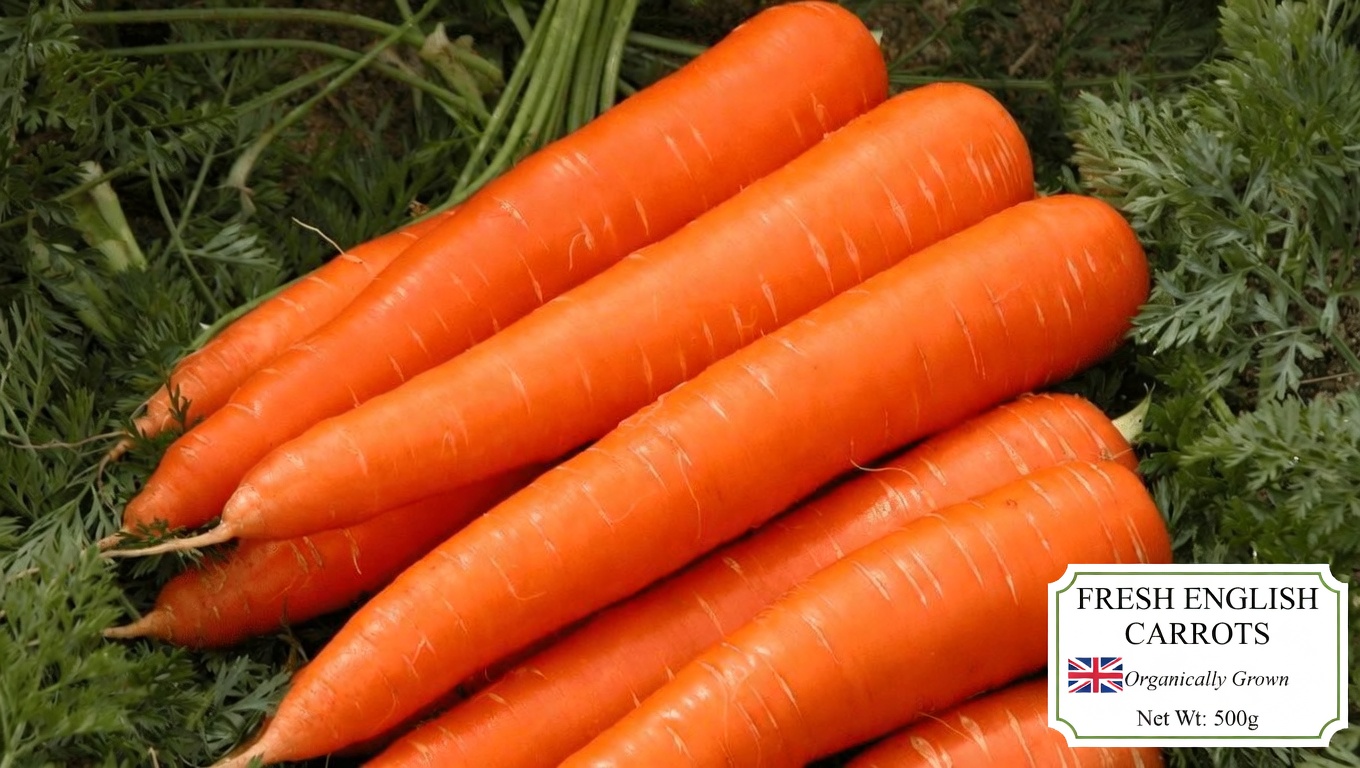
Carrots are rich in beta-carotene, a pigment that your body converts into vitamin A. Vitamin A is essential for maintaining normal vision, especially in dim light. It also helps support the health of the surface of the eye.
Take Robert, 61, who noticed that his eyes felt dry and tired whenever he read in the evenings. Without expecting dramatic results, he began adding carrots regularly to soups, salads, and homemade juices. Over several weeks, he noticed his eyes felt less dry and more comfortable at night. Was it the only factor? Maybe not—but his experience is far from unique.
Carrots may help support:
- Normal function of the retina
- Visual clarity in typical, everyday lighting
- Overall eye comfort when used as part of a balanced diet
Carrots bring mild sweetness and a satisfying crunch, but they’re not a complete answer on their own. They nourish—but they don’t fully address hydration or circulation. That’s where the next ingredient begins to shine.
Cucumbers: Cooling Hydration for Dry, Tired Eyes
If carrots are about nourishment, cucumbers are about hydration. Composed of roughly 95% water, cucumbers help support the body’s fluid balance from the inside—a surprisingly important factor in eye comfort.
Think about how your eyes feel after a long flight, or after sitting all day in heated or air-conditioned air: dry, scratchy, and tired. While eye drops can help on the surface, internal hydration is just as important.
Sarah, 47, started adding cucumber to her morning smoothie after struggling with persistent eye fatigue during long workdays. The impact wasn’t dramatic overnight, but she described a noticeable shift: by mid-afternoon, her eyes felt “cooler,” less heavy, and less irritated.
Cucumbers may help:
- Support overall moisture balance, which can influence eye comfort
- Reduce the visible signs of tiredness around the eyes
- Provide a refreshing sensation to eyes strained by screens
Hydration does more than just quench thirst. It also helps transport nutrients throughout the body. That means cucumber doesn’t just hydrate—it quietly prepares the body to make better use of the other ingredients, including the most underestimated one.
Ginger: A Warming Ally for Circulation and Eye Ease
Ginger rarely comes up in conversations about eye health, yet it plays a fascinating supportive role. Famous for its warm, slightly spicy flavor and its use in digestion, ginger also has a relationship with circulation.
Healthy blood flow is crucial for delivering oxygen and nutrients to every part of the body, including the eyes. When circulation is supported, tissues can function more comfortably. Ginger naturally contains compounds with antioxidant and soothing properties, and it’s often studied for its potential to support healthy circulation.
Consider Miguel, 58, who began drinking mild ginger tea each morning. He initially used it to support digestion, but over time he noticed something unexpected: after long reading sessions, he felt less tension around his eyes and forehead.
Ginger may help support:
- Healthy circulation that indirectly benefits eye tissues
- A reduction in feelings of tightness or strain around the eyes
- A general sense of vitality that extends to visual comfort
On its own, ginger can be a bit intense. Combined thoughtfully with cucumber and carrot, however, its warming character becomes balanced and more enjoyable. That balance is where the real synergy begins.
7 Ways the Cucumber–Ginger–Carrot Trio May Support Eye Comfort
Let’s walk through how this simple combination may help, step by step. Each benefit adds another layer of support for your eyes.
7. Daily hydration support
Cucumber’s high water content helps maintain overall fluid balance, providing a basic foundation for comfortable eyes. Hydration is a starting point—not the entire story.
6. Natural antioxidant boost
Carrots and ginger contain plant-based antioxidants that help the body manage everyday oxidative stress from factors like screens, pollution, and sunlight.
5. Support for normal low-light vision
The beta-carotene in carrots, converted to vitamin A, plays a role in maintaining normal vision, particularly in dim conditions—an important factor as we age.
4. Circulation support you can sense
Ginger’s warming properties are often associated with healthy blood flow. Better circulation means nutrients and oxygen are more efficiently carried to eye tissues.
3. Reduced feeling of heaviness around the eyes
Many people notice that when hydration and circulation improve together, their eyes feel less heavy, less tight, and more at ease. Anecdotal? Perhaps—but a repeating pattern for many.
2. A calming ritual built into your day
Preparing and sipping this blend encourages you to pause. That brief break can help your eyes, your nervous system, and your focus reset—especially during screen-heavy days.
1. A lifestyle shift in how you notice your eyes
Perhaps the most important benefit is awareness. When you intentionally care for your eyes, you start noticing early signs of strain instead of ignoring them. That awareness encourages you to rest, hydrate, and seek professional advice when needed.
The next question is obvious: how do you actually make this work in real life without turning it into a complicated project?
How to Make the Eye-Comfort Blend
Combining cucumber, ginger, and carrot into one drink is simpler than it sounds. The flavors complement each other: cucumber adds freshness, carrot brings gentle sweetness, and ginger offers a subtle warmth. The aroma is clean, and the taste is surprisingly smooth—even for people who don’t usually like vegetable juices.
Basic recipe
- 1 medium carrot, washed and chopped
- ½ cucumber, washed and sliced (peel if you prefer)
- A small piece of fresh ginger (start with about 1–2 cm, then adjust to taste)
- Water or coconut water, enough to blend smoothly
How to prepare
- Add the chopped carrot, cucumber, and ginger to a blender.
- Pour in enough water or coconut water to cover the ingredients.
- Blend until smooth.
- Strain through a fine mesh or leave it pulpy, depending on your preference.
- Serve chilled, ideally soon after preparation.
Many people prefer drinking this in the morning to start the day hydrated and refreshed, but the most important factor is consistency. Enjoy it at the time of day that fits your routine.

Safety, Balance, and What to Really Expect
It’s important to be clear: this cucumber–ginger–carrot blend is not a medical treatment and not a substitute for professional eye care. It is a gentle, supportive habit that may help your eyes feel more comfortable as part of an overall healthy lifestyle.
Keep these points in mind:
-
Check with your doctor if you have health conditions.
If you have diabetes, gastrointestinal issues, kidney problems, or other chronic conditions, talk to a healthcare professional before making major changes to your diet. -
Be mindful of medications.
Ginger, for example, may interact with blood-thinning medications or affect bleeding risk in high amounts. When in doubt, ask your doctor or pharmacist. -
Watch for allergies or sensitivities.
Although uncommon, some people may react to certain vegetables or spices. If you notice itching, swelling, or digestive upset, stop and seek advice. -
Moderation matters.
Eating large amounts of carrots over long periods may contribute to a harmless yellow-orange tint to the skin in some people due to beta-carotene. Balance is key. -
Eye discomfort can signal medical issues.
Persistent dryness, pain, redness, or changes in vision should always be evaluated by an eye care professional. Don’t rely on any drink or food to solve serious eye problems.
For best overall eye comfort, combine this trio with other healthy habits such as:
- Taking regular screen breaks (for example, the 20-20-20 rule)
- Adjusting lighting to reduce glare
- Maintaining adequate room humidity
- Wearing appropriate prescription lenses if needed
- Scheduling routine eye exams
A Small Habit That Keeps Your Eyes in Mind
You can’t change the fact that modern life demands long hours of visual focus. But you can choose how you support your eyes in the process.
A simple glass of cucumber, ginger, and carrot won’t replace your optometrist or cure underlying conditions. What it can do is quietly assist hydration, circulation, and nutrient intake—three subtle but important pillars of everyday eye comfort.
More importantly, it reminds you that your eyes deserve attention before discomfort becomes your “new normal.” Sometimes, the smallest daily rituals are the ones that help you see your life—literally and figuratively—a little more clearly.