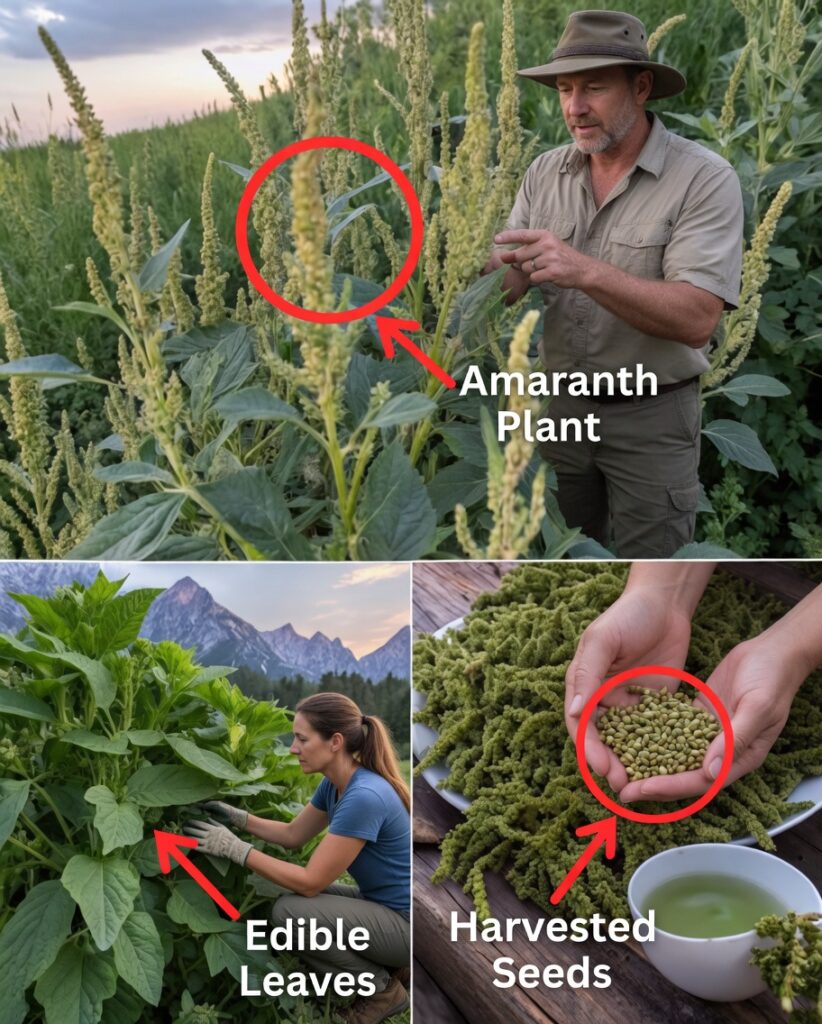
Amaranthus tuberculatus (Waterhemp): Potential Benefits, Uses, and Key Risks
Amaranthus tuberculatus, better known as waterhemp, is widely labeled a problem weed, especially across North America. It spreads quickly, thrives in disturbed ground, and has developed strong herbicide resistance, making it a serious challenge in modern agriculture.
Even so, like other Amaranthus species, waterhemp can offer ecological and scientific value—although its benefits are not as well researched or widely used as those of grain and leafy amaranths such as Amaranthus caudatus or Amaranthus hypochondriacus.
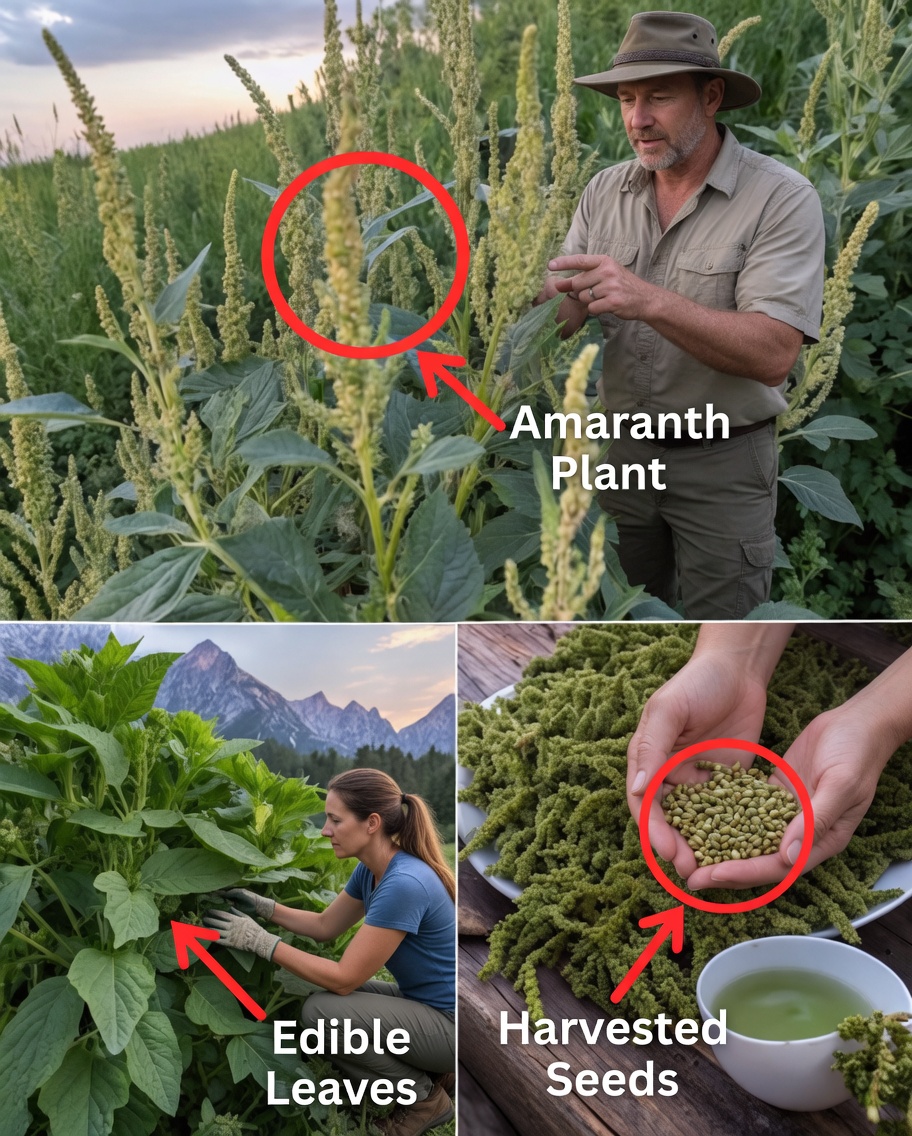
Potential Benefits of Waterhemp
1. Soil Support and Phytoremediation Potential
Waterhemp often grows where soil is exposed or disrupted. In some settings, this can offer limited environmental advantages:
- It may help hold soil in place, which can reduce erosion in disturbed areas.
- Like several related amaranths, it has been discussed for phytoremediation, meaning it may help absorb certain pollutants or heavy metals from contaminated soils (though this role is less documented for waterhemp than for other plants).
2. Biodiversity and Wildlife Value
When it isn’t overwhelming an ecosystem, waterhemp can play a small role in supporting local species:
- Its flowers can provide resources for pollinators, including bees and other beneficial insects.
- Its seeds may serve as food for birds and small wildlife.
- In balanced plant communities, it can contribute to overall biodiversity, particularly in transitional or disturbed habitats.
3. Possible Edibility (Use With Caution)
Many amaranths are known as edible plants, used for leaves, stems, and seeds. Waterhemp is not commonly harvested as food, but it may be consumed in limited foraging or survival contexts, similar to other wild amaranths.
Important cautions:
- Some plants in this group can accumulate nitrates, especially in certain growing conditions.
- Wild plants near farms, roads, or treated land may carry pesticide or herbicide residues.
4. High Value for Genetic and Agricultural Research
One of waterhemp’s biggest “benefits” is its importance in science:
- It is a major focus in weed science and agronomy because it rapidly develops herbicide resistance.
- Studying waterhemp helps researchers improve weed management, understand plant adaptation, and explore evolutionary biology in real time.
5. Bioindicator for Farming and Ecosystem Change
Because waterhemp responds strongly to farming practices, its presence and spread can reflect broader trends:
- It may act as a bioindicator species, signaling changes in herbicide programs, crop rotations, and overall agricultural system health.
Limitations and Risks of Amaranthus tuberculatus
Despite these potential positives, waterhemp is primarily recognized for its serious downsides:
- It is highly invasive and competitive, particularly in agricultural landscapes.
- Herbicide-resistant populations can cause major economic losses, especially in corn and soybean fields.
- It can outcompete native vegetation and significantly reduce crop yields.
Summary: Mostly a Weed, With Some Ecological and Scientific Value
Amaranthus tuberculatus (waterhemp) is best known as a difficult, aggressive, herbicide-resistant weed, but it still holds limited ecological value and substantial research importance.
If your goal is food use, nutrition, or ornamental planting, the better choice is typically cultivated or commonly used amaranth species such as:
- Amaranthus cruentus
- Amaranthus hypochondriacus
- Amaranthus caudatus