Chronic Constipation: Why It Matters and When It Becomes Dangerous
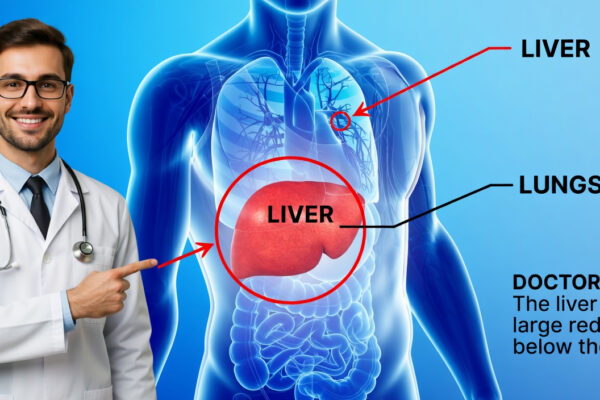
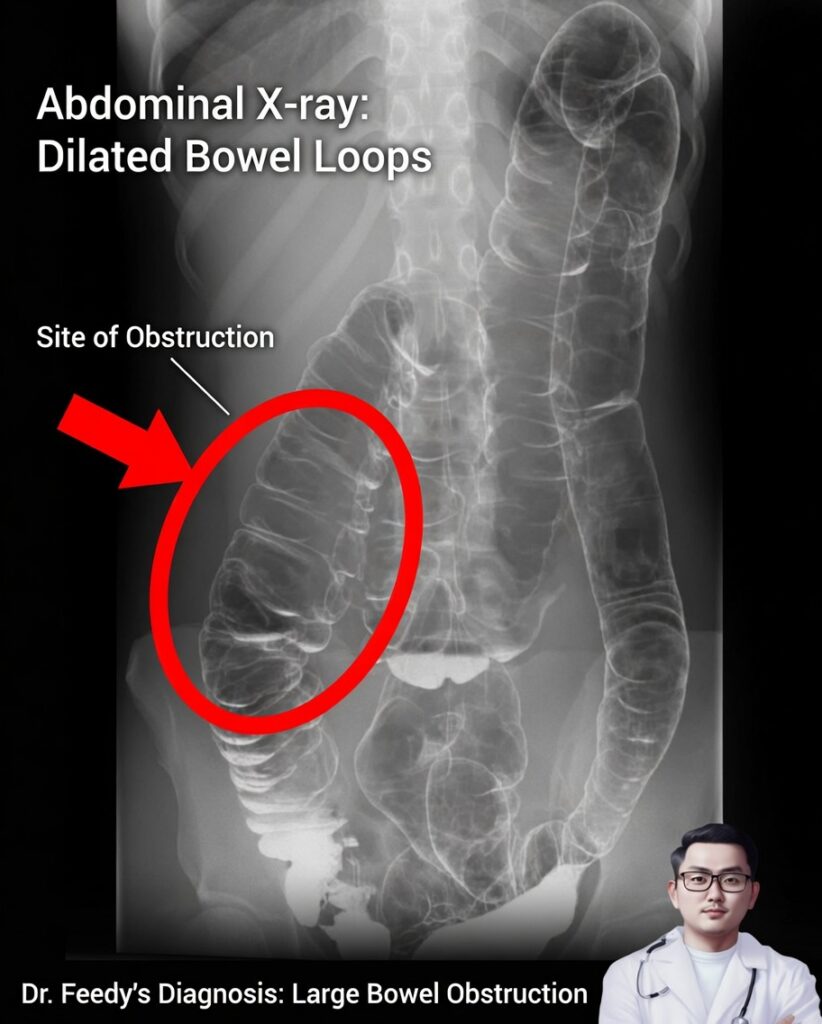
Chronic constipation is widespread, but it’s often dismissed as a minor inconvenience. In severe, long-lasting cases, constipation can progress to toxic megacolon—a medical emergency in which the colon becomes massively enlarged, sometimes expanding upward enough to press against vital organs, including the heart.
What Happens When the Colon Becomes Overstretched?
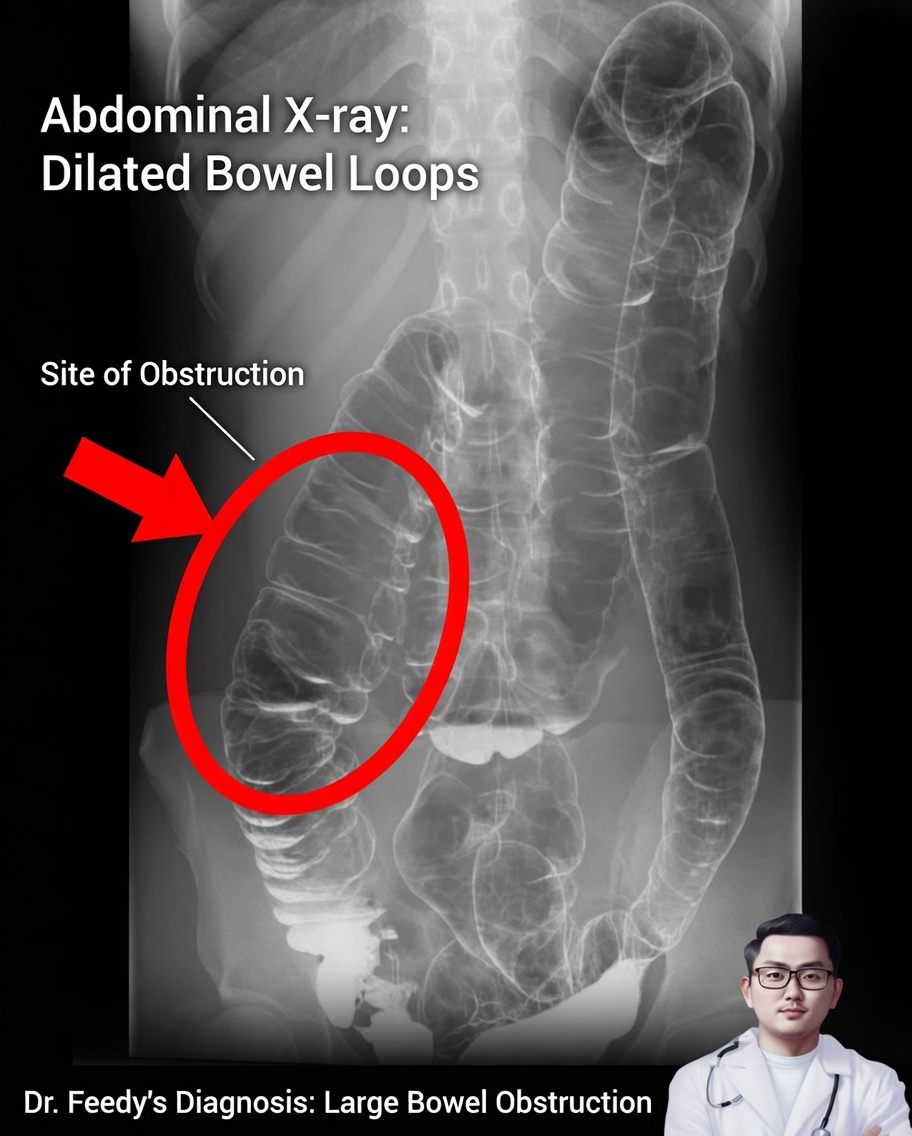
When the colon can’t move stool forward effectively, waste builds up and the abdomen may become extremely swollen. With continued pressure and stretching, the colon may lose its normal shape and muscle function, making it even harder to contract and empty.
This can lead to serious complications, including:
- Severe intestinal blockage (bowel obstruction)
- Bacterial overgrowth and toxin accumulation
- Higher risk of colon perforation (rupture) and sepsis
Toxic Megacolon Warning Signs
Seek urgent medical care if constipation is accompanied by symptoms such as:
- Intense abdominal bloating and pain
- High fever and chills
- Rapid heartbeat
- Nausea with ongoing vomiting
- No bowel movements for an unusually long time
Causes of Chronic Constipation That Can Contribute to Megacolon
Long-term constipation and colon distension can be driven by a range of factors, including:
- Low-fiber diet and not drinking enough water
- Sedentary lifestyle, which slows digestive movement
- Neurological conditions, such as Parkinson’s disease or multiple sclerosis
- Medication effects, especially opioids, certain antidepressants, and some antacids
- Bowel-related disorders, including IBS or Hirschsprung’s disease
Emergency Treatment for Toxic Megacolon
Toxic megacolon requires immediate medical intervention. Treatment commonly includes:
- Hospital care and colon decompression, such as enemas or manual removal when necessary
- IV fluids and antibiotics to reduce dehydration and lower the risk of sepsis
- Surgery in severe cases, which may involve removing the affected part of the colon
Natural Strategies to Support Regularity and Help Prevent Constipation
1) High-Fiber “Colon Cleanse” Smoothie
This fiber-rich smoothie may help encourage bowel movements and reduce constipation risk.
Ingredients
- 1 cup warm water
- 1 tablespoon chia seeds (high in fiber and omega-3)
- 1 tablespoon flaxseeds (supports digestion)
- ½ cup prunes (a natural laxative)
- 1 banana (adds potassium and improves texture)
- 1 teaspoon honey (optional)
Directions
- Soak the chia seeds and flaxseeds in warm water for about 10 minutes.
- Blend all ingredients until smooth.
- Drink in the morning, ideally on an empty stomach.
2) Lifestyle Habits That Reduce Chronic Constipation
- Eat more fiber: choose whole grains, vegetables, fruits, beans, and lentils
- Hydrate consistently: aim for roughly 2–3 liters of water daily (unless your clinician advises otherwise)
- Move your body: regular walking and exercise can stimulate bowel activity
- Cut back on highly processed foods: limit refined sugars, heavy fried foods, and excessive dairy if they worsen symptoms
- Create a routine: try using the bathroom at the same time each day to train regularity
When to Get Medical Help
If you have severe constipation lasting longer than a week, or constipation paired with pain, fever, vomiting, or rapid heartbeat, seek medical care promptly to reduce the risk of complications such as toxic megacolon.