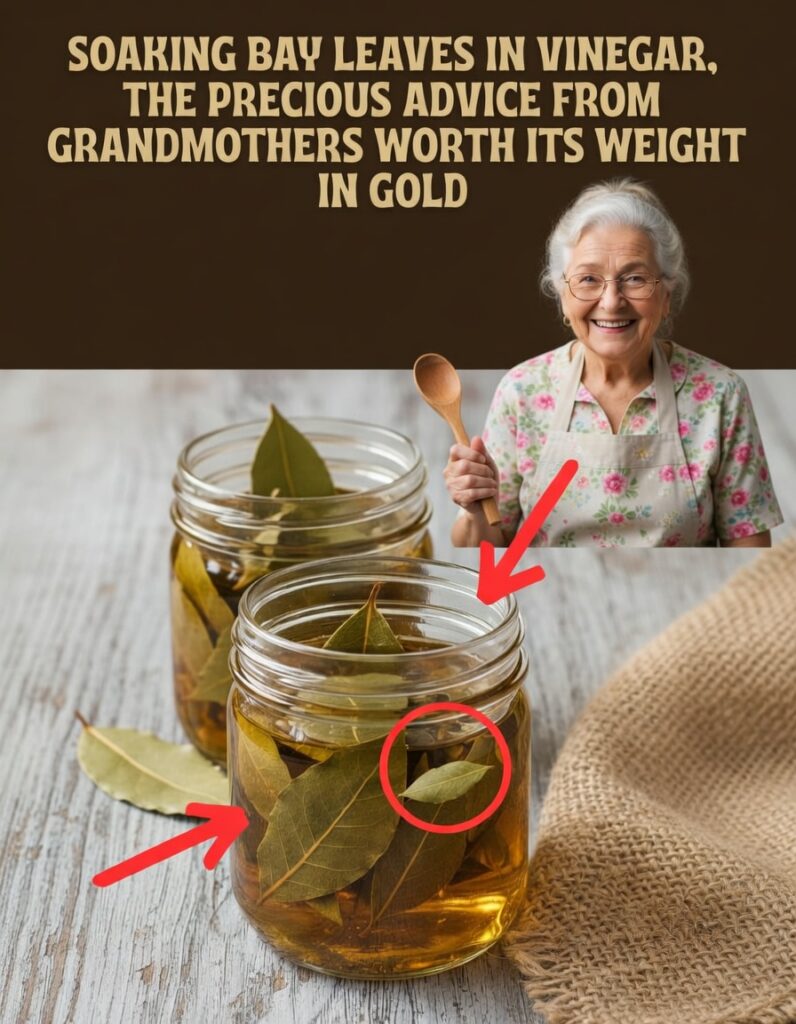
The Grandmother’s Secret: How to Make Bay Leaf Vinegar (and Other Aromatic Infusions)
Have you ever tried infusing vinegar with bay leaves? This old-fashioned trick, passed down by grandmothers, is now a favorite technique among chefs to give dishes an elegant, aromatic twist.
This guide explains why you should try homemade bay leaf vinegar, the benefits of this ancient herb, and how to prepare your own infused vinegar step by step.
Bay Leaves: Much More Than a Simple Seasoning
Before diving into the recipe, let’s get to know the star ingredient. The bay laurel (Laurus nobilis) is an evergreen aromatic plant native to the Mediterranean region and part of the laurel family. Although often grown as a shrub, a bay tree can reach up to 20 meters in height.
Historically, bay leaves have symbolized wisdom, honor, and victory. The tradition of wearing a laurel wreath at graduations dates back to Ancient Rome, where the plant was considered sacred.
Uses and Benefits of Bay Leaves
Beyond their symbolic and historical importance, bay leaves are valuable in both cooking and natural remedies.
In herbal medicine
Bay leaves are commonly used:
- In digestive herbal teas and decoctions
- As a natural antiseptic support
- To help ease mild respiratory discomfort in traditional remedies
In cooking
Bay leaves are a classic aromatic for:
- Red meats, stews, and braises
- Fish and seafood dishes
- Homemade liqueurs (bay leaf liqueur)
- Flavored salt (simply blend coarse salt with dried bay leaves in a food processor)
Their deep, slightly floral and resinous aroma gives sauces, stocks, and slow-cooked dishes a distinctive, refined flavor.
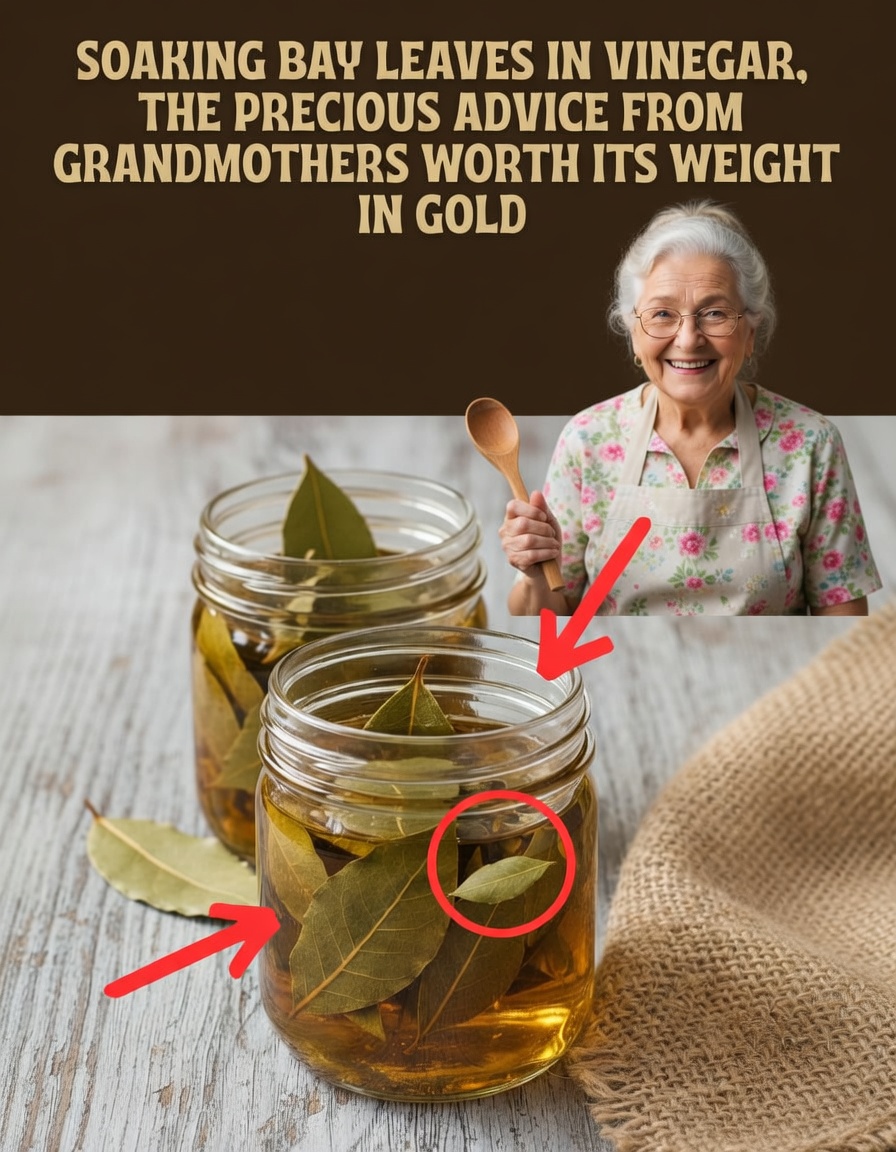
How to Make Bay Leaf Vinegar: Step-by-Step Recipe
Infusing bay leaves in vinegar produces a delicately scented condiment that instantly elevates salads, marinades, and everyday dishes. The process is simple and requires very little equipment.
Ingredients
- 1 liter of good-quality white vinegar
- 15 fresh bay leaves (thoroughly washed and dried)
- 1 glass bottle with an airtight seal
Method
-
Gently heat the vinegar
Pour the white vinegar into a saucepan and warm it over low heat for a few minutes.
Important: Do not let it boil. It should only be lukewarm—just enough to help release the essential oils from the bay leaves. -
Prepare the bay leaves
Place the 15 clean, completely dry bay leaves into the glass bottle. -
Pour in the vinegar and seal
Carefully pour the warm vinegar into the bottle over the bay leaves. Allow the mixture to cool to room temperature. -
Infuse (maceration time)
Once cooled, seal the bottle tightly. Store it in a cool, dry, and dark place for about 3 to 4 weeks so the flavors can fully develop. -
Strain and use
After the infusion period, strain the vinegar to remove the leaves and transfer it to a clean bottle.
Your homemade bay leaf vinegar is now ready to use as a dressing, in marinades, or to finish your favorite dishes.
Beyond Bay Leaves: Other Flavored Vinegar Ideas
The beauty of this technique is how versatile it is. The same method used for bay leaf vinegar works wonderfully with many other herbs and fruits. Here are some delicious ideas to flavor white vinegar or apple cider vinegar.
1. Herb-Infused Vinegars
-
Rosemary and garlic
Perfect for marinades, grilled meats, and oven-baked dishes. -
Thyme and sage
Excellent for seasoning poultry, roast vegetables, or hearty casseroles. -
Oregano
Ideal for Mediterranean-style salads, tomato dishes, and pizza toppings. -
Lavender or elderflowers
These add a delicate floral note, especially good in light salad dressings and gourmet sauces.
2. Fruity Vinegars (Sweet and Tangy)
If you enjoy the sweet–savory contrast, try infusing your vinegar with fruit:
-
Citrus peels (lemon or orange)
Use only the colored zest—avoid the white pith to prevent bitterness. -
Red fruits (raspberries, blackberries)
Raspberry vinegar, in particular, is wonderful on green salads, with goat cheese, or drizzled over roasted vegetables.
Try It Yourself
Homemade flavored vinegars are affordable, easy to prepare, and can transform everyday meals into something special. Making bay leaf vinegar—or experimenting with your own combinations of herbs and fruits—is a simple way to bring more aroma and character to your kitchen.
Give it a try, and once you’ve made your first batch of bay leaf vinegar or other infused vinegars, note how they change your salads, marinades, and sauces.