Heal Heartburn and Acid Reflux Naturally: A Step-by-Step Protocol
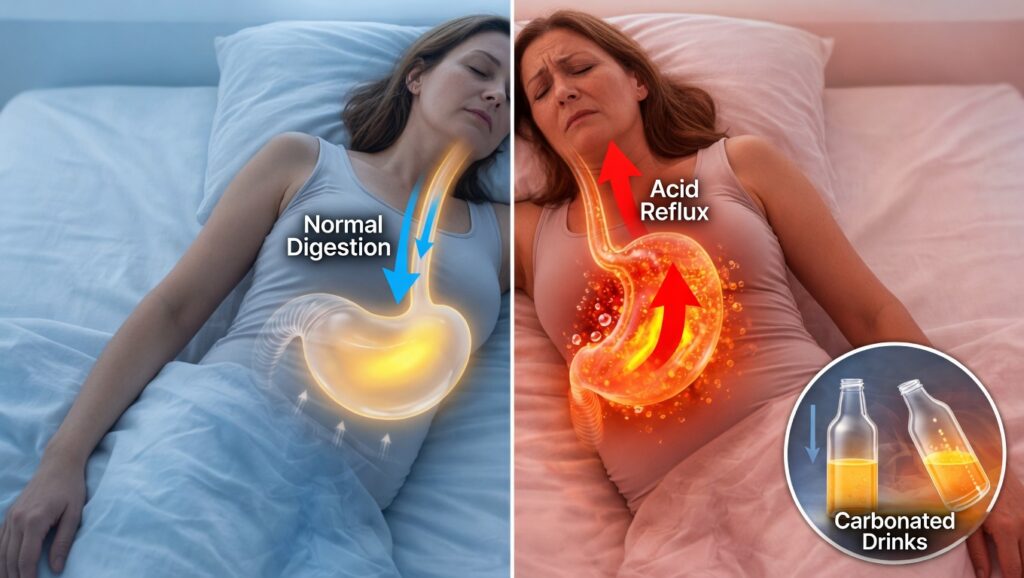
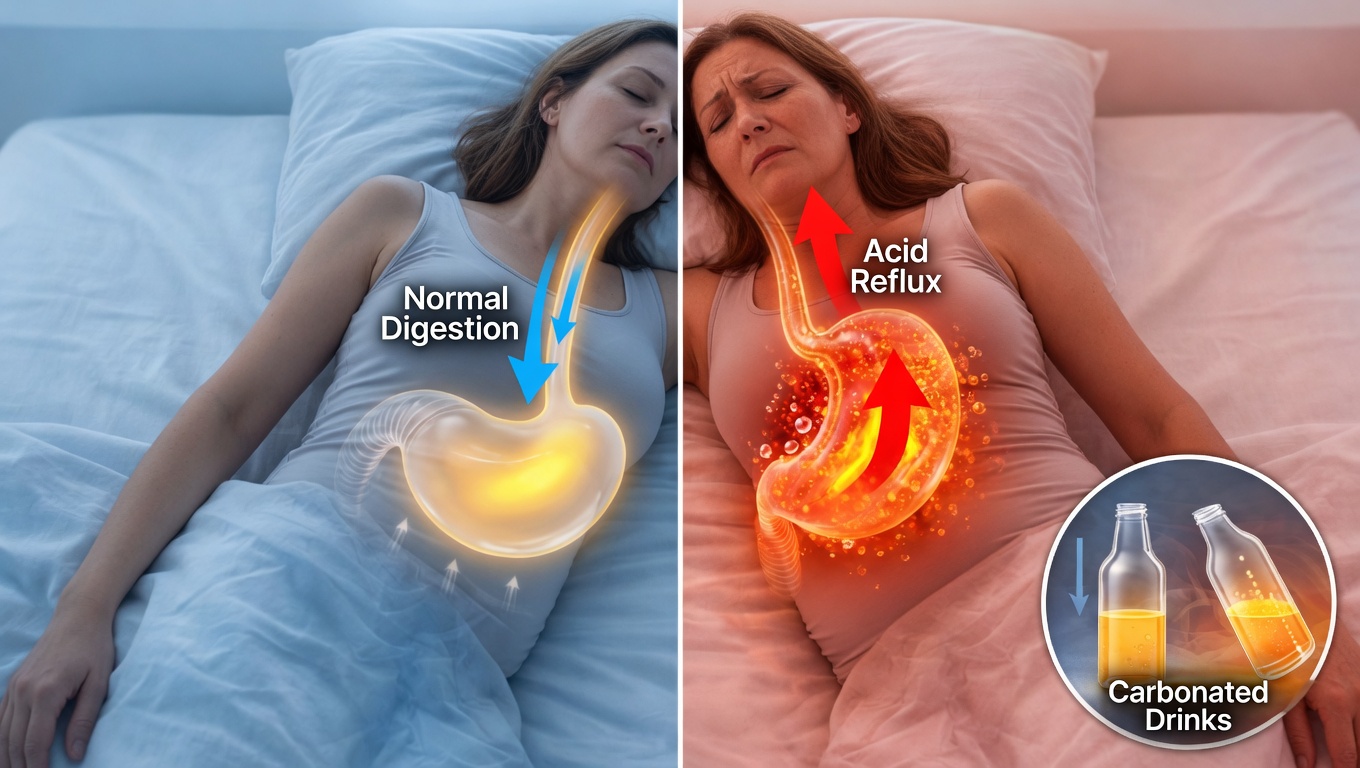
That burning feeling rising into your chest, the pain that wakes you up in the middle of the night, the constant need to keep antacids on hand—none of this is “normal,” even if it’s common. Many people rely on quick-fix medications that only mask symptoms, while the real problem in the stomach remains unresolved.
The good news: with a science-backed, nature-based approach, you can calm the burn, repair your stomach lining, and restore healthy digestion. Below is a practical protocol inspired by the work of Dr. Iñigo Martín to help you address the root causes of heartburn and acid reflux and finally feel like yourself again.
Key Takeaways
- Heartburn and acid reflux usually signal an imbalanced stomach environment—often not “too much acid,” but sometimes not enough.
- Chronic use of antacids and proton pump inhibitors (PPIs) can worsen the problem over time and create new issues.
- Natural remedies such as aloe vera, ginger, and apple cider vinegar can support healing and improve digestive function.
- Simple lifestyle changes—how you eat, when you eat, and how you sleep—can dramatically reduce symptoms and support long-term recovery.
1. Aloe Vera: A Soothing “Bandage” for Your Digestive Tract
Aloe vera is famous for calming sunburns, but it can work similarly inside your body. The gel from the plant acts like a cooling, protective “bandage” on irritated tissues in your esophagus and stomach.
The polysaccharides in aloe help:
- Coat and protect the mucosal lining
- Reduce inflammation
- Support cell repair and regeneration
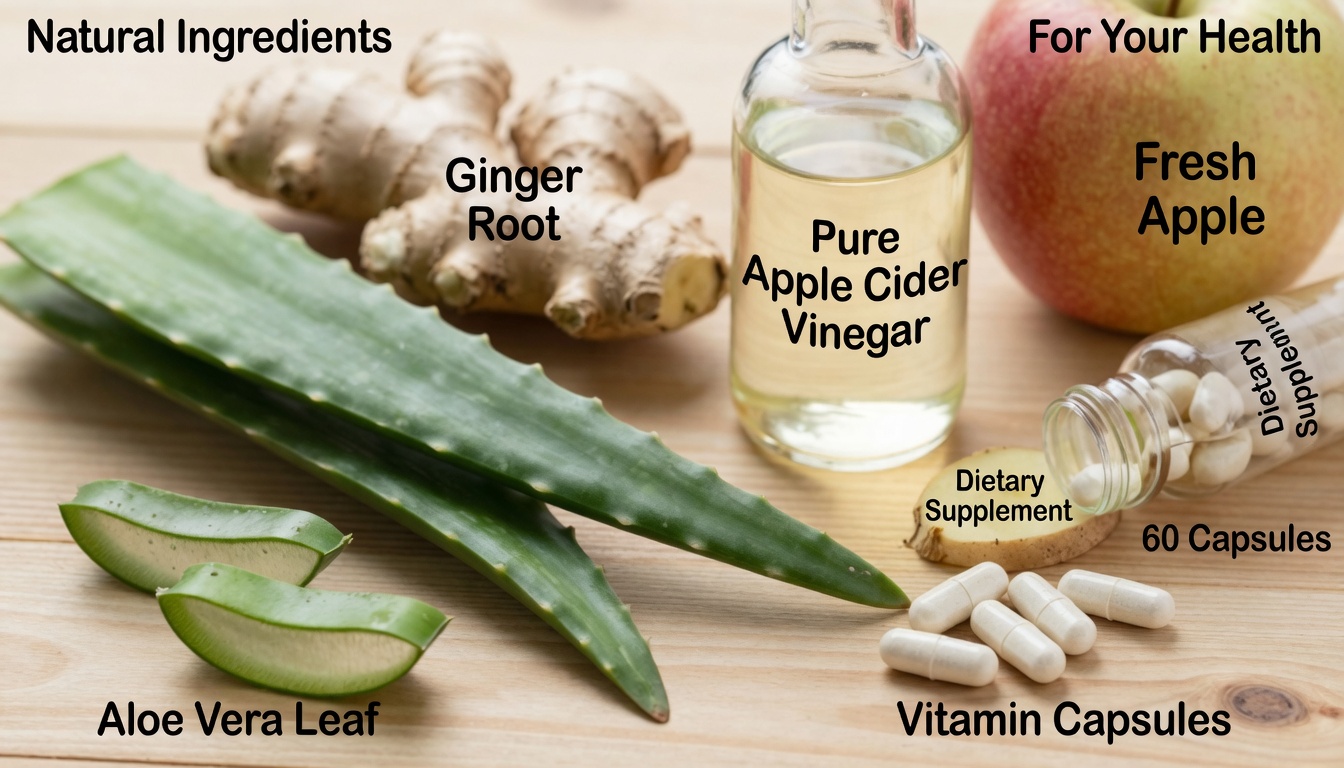
If you use the fresh plant, cut the leaves and let them drain in water overnight to remove the yellow sap (aloin), which has a strong laxative effect. Then filet the leaf and blend only the clear inner gel. Alternatively, choose a high-quality, aloin-free aloe vera gel.
How to use:
Take about 2 tablespoons of aloe gel roughly 20 minutes before meals to create a protective layer over the stomach lining.
2. Rethink Long-Term Use of Antacids and PPIs
Medications that block stomach acid—like PPIs and other antacids—can be useful in short-term situations such as acute gastritis or ulcers. However, relying on them for months or years to manage reflux can backfire.
Here’s why:
- The lower esophageal sphincter (LES), the “valve” between your esophagus and stomach, tightens in response to strong stomach acid.
- When acid is suppressed for too long, the LES can weaken, making it easier for even small amounts of acid and food to flow backward.
- Stomach acid is also a key defense against harmful bacteria. With less acid, bacteria can overgrow, cause fermentation, gas, and bloating—and trigger even more reflux.
If you are currently taking acid-suppressing medication, do not stop abruptly. Always work with your healthcare provider to slowly reduce the dose while adding natural digestive support.
3. Sleep Position: Let Gravity Help, Not Hurt
How you position your body during sleep can either aggravate or ease nighttime reflux.
- Right side sleeping: The entrance to the stomach sits lower, making it easier for acid to move upward into the esophagus.
- Left side sleeping: The stomach curves in such a way that the entrance is higher than the acid level—like a bottle standing upright—reducing the chance of reflux.
Avoid stacking pillows, which bends your torso and may increase abdominal pressure. Instead:
- Lift the head of your bed by about 6 inches (15 cm), or
- Use a wedge under your mattress to create a gentle incline from the waist up.
This way, gravity works in your favor while you sleep.
4. Ginger: A Natural Prokinetic for Better Stomach Emptying
Slow digestion means food lingers in the stomach, ferments, and creates gas. This gas increases pressure and pushes stomach contents upward, triggering reflux.
Ginger root contains compounds like gingerols and shogaols that:
- Stimulate stomach motility (a gentle prokinetic effect)
- Help move food more efficiently through the digestive tract
- Reduce bloating and pressure
A simple way to use ginger:
- Slice fresh ginger root.
- Simmer it in water for several minutes.
- Cover and let it steep before drinking.
You can sip this tea before or after meals. If your stomach lining is very sensitive, start with a mild brew and increase gradually as tolerated.
5. Embrace Stomach Acid (When It’s Too Low)
Contrary to popular belief, many people with heartburn actually suffer from low stomach acid (hypochlorhydria), especially if they:
- Are older
- Live with chronic stress
- Have used antacids or PPIs for a long time
Low acid can lead to:
- Poor breakdown of food
- Bacterial overgrowth and fermentation
- A weak lower esophageal sphincter that doesn’t close properly
To gently increase acidity and support digestion:
- Mix 1 teaspoon of organic, unfiltered apple cider vinegar in a glass of water and drink it shortly before meals.
- If you need more support, ask a professional about betaine HCl with pepsin supplements. These should:
- Always be taken with food (especially protein-containing meals)
- Never be taken on an empty stomach
- Be introduced slowly while monitoring how you feel
Listen carefully to your body and adjust accordingly.
6. Rebuild the Lining: Zinc Carnosine and Glutamine
Once irritation is under control, it’s time to restore the integrity of the stomach lining.
Zinc carnosine:
- Adheres to damaged or inflamed areas of the stomach and intestinal wall
- Delivers zinc and carnosine directly where they are needed
- Supports tissue repair and mucosal protection
Glutamine:
- Is the main fuel source for the cells that line your intestines
- Helps those cells regenerate and “close up” microscopic gaps in the barrier
- Can be obtained from foods like cabbage or as a powdered supplement
Some people juice raw cabbage or mix pure glutamine powder into water, aloe vera, or herbal teas. These traditional remedies remain popular because they help nourish and rebuild the gut lining.
7. Support Your Nervous System: Activate the Vagus Nerve
Your digestive system is highly sensitive to stress. When you are in “fight-or-flight” mode, digestion slows or shuts down, which can worsen reflux and discomfort.
To switch into “rest-and-digest” mode before eating, try this simple vagus nerve activation:
- Sit comfortably.
- Take 3–4 slow, deep breaths.
- Breathe into your belly, allowing it to gently expand as you inhale and soften as you exhale.
These few moments of conscious breathing:
- Calm the nervous system
- Improve secretion of stomach acid and digestive enzymes
- Prime your gut to handle food more effectively and support healing
8. Enzyme Support: Fruits and Digestive Enzyme Supplements
If you feel heavy, bloated, or exhausted after meals, your body may be struggling to produce enough digestive enzymes.
Certain fresh fruits provide powerful, natural enzymes:
- Pineapple (especially the core): rich in bromelain
- Papaya: contains papain, a gentle option for sensitive stomachs
- Kiwi: offers actinidin, which helps break down protein and dairy
For best results:
- Eat these fruits fresh about 20 minutes before meals.
- Avoid canned or cooked versions—heat destroys the enzymes.
If you need additional help, broad-spectrum plant-based digestive enzyme supplements can ease the burden on your stomach while it recovers.
9. Honor the Night: Eat Earlier and Lighter in the Evening
Late, heavy dinners are one of the most common triggers for night-time heartburn and poor digestion. After dark, your body is naturally geared towards rest, repair, and detox—not intensive digestion.
Your digestive system uses a cleansing wave called the migrating motor complex (MMC) to sweep food residues and bacteria out of the small intestine, but this only happens when your stomach is fully empty.
When you snack late or eat a big dinner close to bedtime:
- The MMC is disrupted
- Bacteria and food debris linger
- You’re more likely to wake up with discomfort and may gradually gain abdominal fat
For more peaceful nights:
- Choose warm, easy-to-digest meals in the evening (such as soups, stews, or steamed vegetables).
- Finish eating at least 3–4 hours before going to bed.
- If you feel hungry later, opt for herbal tea or warm water instead of solid food.
Conclusion: Rebuild Your Digestive Health, Naturally
Your stomach is not just a passive container—it is a finely tuned organ that protects you, breaks down your food, and supports your overall health. Heartburn and acid reflux are signals that something in this system needs attention, not problems to be endlessly suppressed.
By combining:
- Soothing agents like aloe vera
- Thoughtful use (and reduction) of acid-blocking medications
- Smart sleep positioning
- Natural digestive enhancers like ginger, apple cider vinegar, and enzymes
- Targeted nutrients such as zinc carnosine and glutamine
- Nervous system support and mindful eating habits
- Earlier, lighter dinners
you can gradually restore balance, strengthen your stomach’s defenses, and reduce or eliminate that burning pain.
Begin with one or two strategies, notice how your body responds, and continue building from there. Healing is a gradual process, but it is absolutely possible. You deserve to eat, sleep, and live without fear of your next flare-up—and nature offers powerful tools to help you get there.
Source: Based on the insights of Dr. Iñigo Martín.