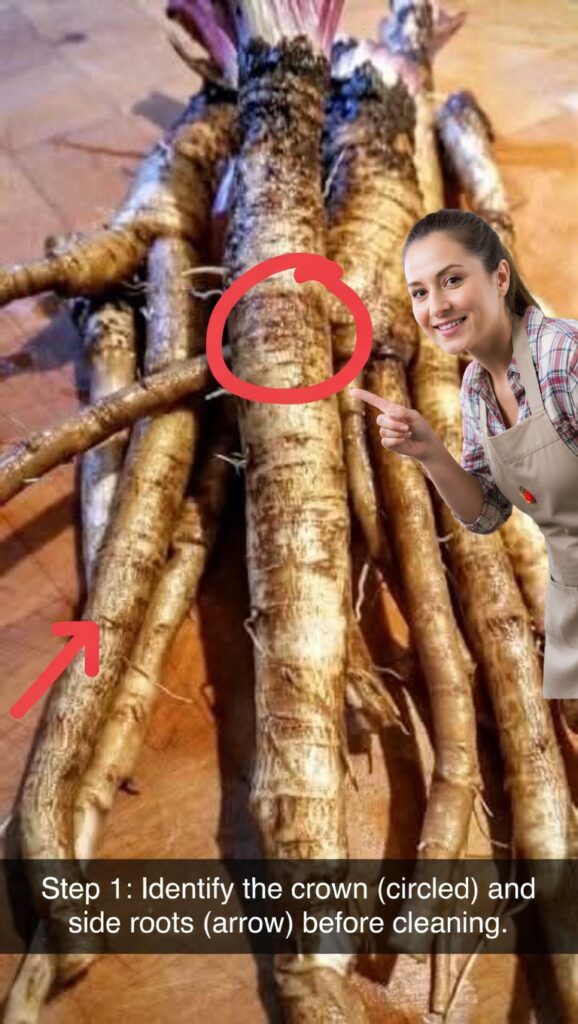
Greater Burdock Root (Arctium lappa) and Cancer Support: Benefits, Research, and Safe Use
Greater burdock root (Arctium lappa) has a long history in traditional herbal medicine and is now attracting wider interest for its potential to support overall health during cancer prevention and care. Below is an evidence-informed overview of its key properties, common uses, and important safety considerations.
Potential Anti-Cancer Benefits
High in Antioxidants
Burdock root contains several antioxidant compounds—such as quercetin, luteolin, and various phenolic acids. These antioxidants may help reduce oxidative stress, which can damage cells and contribute to processes linked to cancer development.
May Help Slow Cancer Cell Growth (Early Research)
Laboratory studies suggest that certain components in burdock root may interfere with the growth of specific cancer cell types, including liver, lung, and breast cancer cells. Some findings indicate these compounds may promote apoptosis, a form of programmed cell death that helps the body remove abnormal cells.
Note: these results are primarily from preclinical research and do not confirm effectiveness in humans.
Detoxification and “Blood-Purifying” Traditions
In traditional use, burdock root is often described as a blood cleanser. In modern terms, this reputation is linked to its potential role in supporting the body’s natural detox pathways, which may contribute to better cellular health and overall wellness.
Immune System Support
A well-functioning immune system helps the body identify and respond to abnormal cell changes and infections. Burdock root is commonly used to support immune activity, which may be relevant for individuals focused on long-term health maintenance.
Anti-Inflammatory Effects
Long-term (chronic) inflammation is associated with increased risk for several diseases, including certain cancers. Burdock root contains compounds with anti-inflammatory potential, which may help create a more balanced internal environment and support general health.
Skin and Liver Support
Burdock root has traditionally been used for skin concerns such as eczema and acne. It is also associated with liver support, and the liver plays a central role in processing and eliminating substances the body does not need.
How to Use Burdock Root
Common ways to include burdock root in a wellness routine include:
- Tea: Steep dried burdock root to make an herbal infusion.
- Capsules or tablets: Convenient supplement formats with standardized dosing.
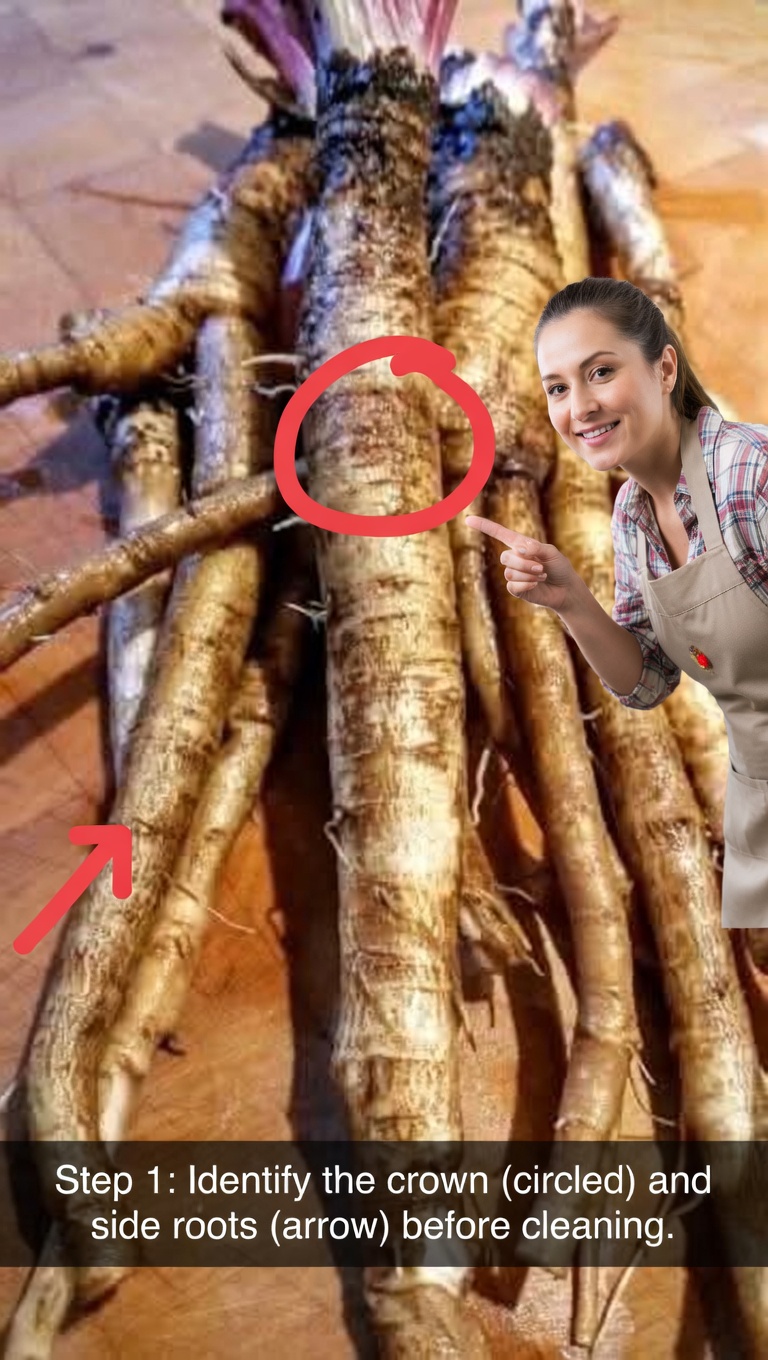
- Fresh root (food use): Add to soups, stews, or stir-fries.
- Tinctures (liquid extracts): A concentrated option often used in small amounts.
Precautions and Safety Notes
Although burdock root is widely used, it is not suitable for everyone. Use caution in these situations:
- Allergies: Some individuals may have allergic reactions to burdock or related plants.
- Pregnancy and breastfeeding: Avoid use unless a healthcare professional specifically approves it.
- Medication interactions: If you are taking prescription medications—especially during cancer treatment—speak with your doctor or oncology team to reduce the risk of unwanted interactions.
Conclusion
Greater burdock root is a well-known herbal remedy with antioxidant, anti-inflammatory, and immune-supporting properties, and early research suggests it may have potential relevance to cancer support. However, the current evidence is still preliminary, and more human studies are needed to clarify its role in cancer treatment. Always consult a qualified healthcare professional before adding burdock root to your routine, particularly if you are undergoing cancer therapy.