Pharmaceutical Industry Criticism: Rethinking Common Cancer Treatment Strategies
Barbara O’Neill, known for promoting natural health, has voiced concerns about how the pharmaceutical industry and conventional medicine often approach cancer. She argues that the system tends to prioritize controlling symptoms rather than tackling underlying causes. In her view, widely used options like chemotherapy and radiation can reduce or eliminate cancer cells, but they may also harm healthy tissue—often resulting in significant side effects.
Research has explored some of these limitations. A 2017 paper in Nature Reviews Cancer noted that although chemotherapy can shrink tumors, in certain situations it may also trigger protective responses that help cancer cells survive and potentially continue growing (Meads et al., 2017). Supporters of more integrative care cite findings like these as a reason to consider broader, whole-body strategies alongside standard treatment.
The Conditions That Can Support Cancer Growth
O’Neill emphasizes that cancer tends to flourish in particular biological environments. She commonly highlights three factors—high glucose, low oxygen, and acidity—as conditions that may make it easier for tumors to develop and spread.
-
High blood sugar (glucose availability): A 2020 study in Cell Metabolism reported that cancer cells can take up glucose far more rapidly than normal cells—up to 15 times faster—using it as fuel for growth (Pavlova & Thompson, 2020). This helps explain why reducing added sugar and controlling blood sugar levels are frequently discussed in cancer-prevention conversations.
-
Low oxygen (hypoxia): The well-known Warburg Effect, first described by Otto Warburg (1931), explains how many cancer cells rely heavily on glucose fermentation rather than oxygen-based energy production. A 2019 review in Science Translational Medicine also associated low-oxygen tumor environments with increased invasion and aggressiveness (Semenza, 2019).
-
Acidic tumor environment: Fermentation of glucose produces lactic acid, which can make tissues more acidic. A 2021 study in Cancer Research found that tumor acidity can weaken immune responses, potentially giving cancer a better chance to persist (Fischer et al., 2021).
Olive Leaf Extract: A Natural Compound Often Discussed in Cancer Support
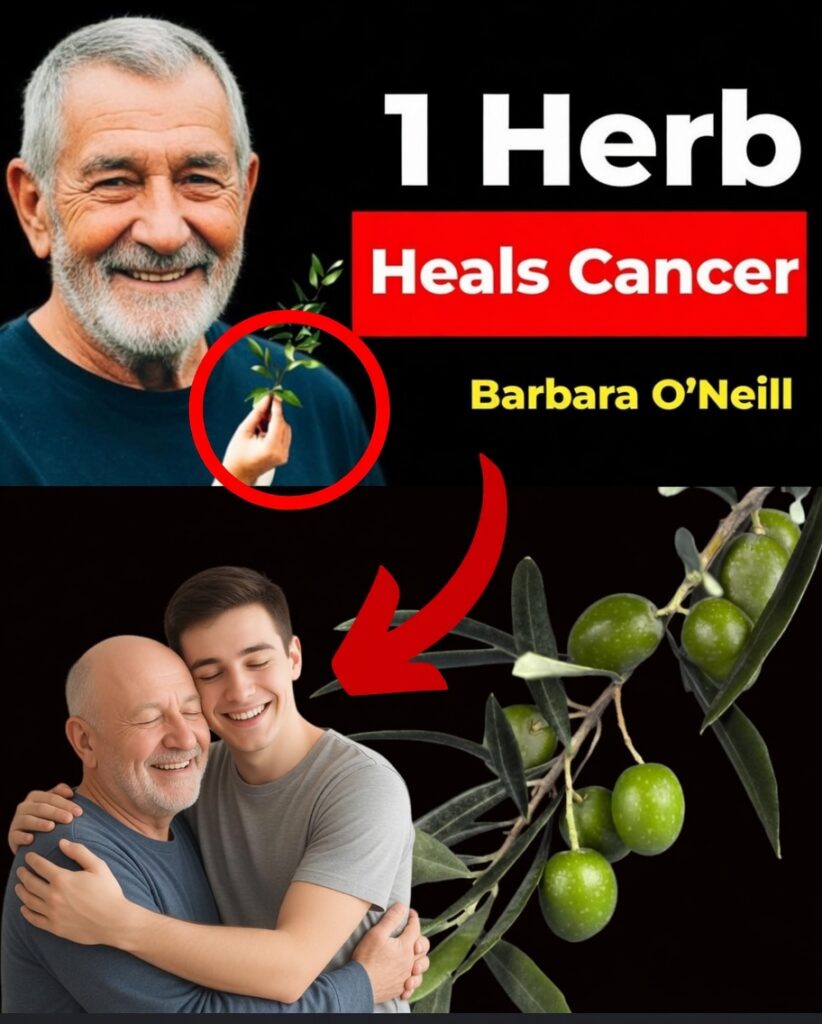
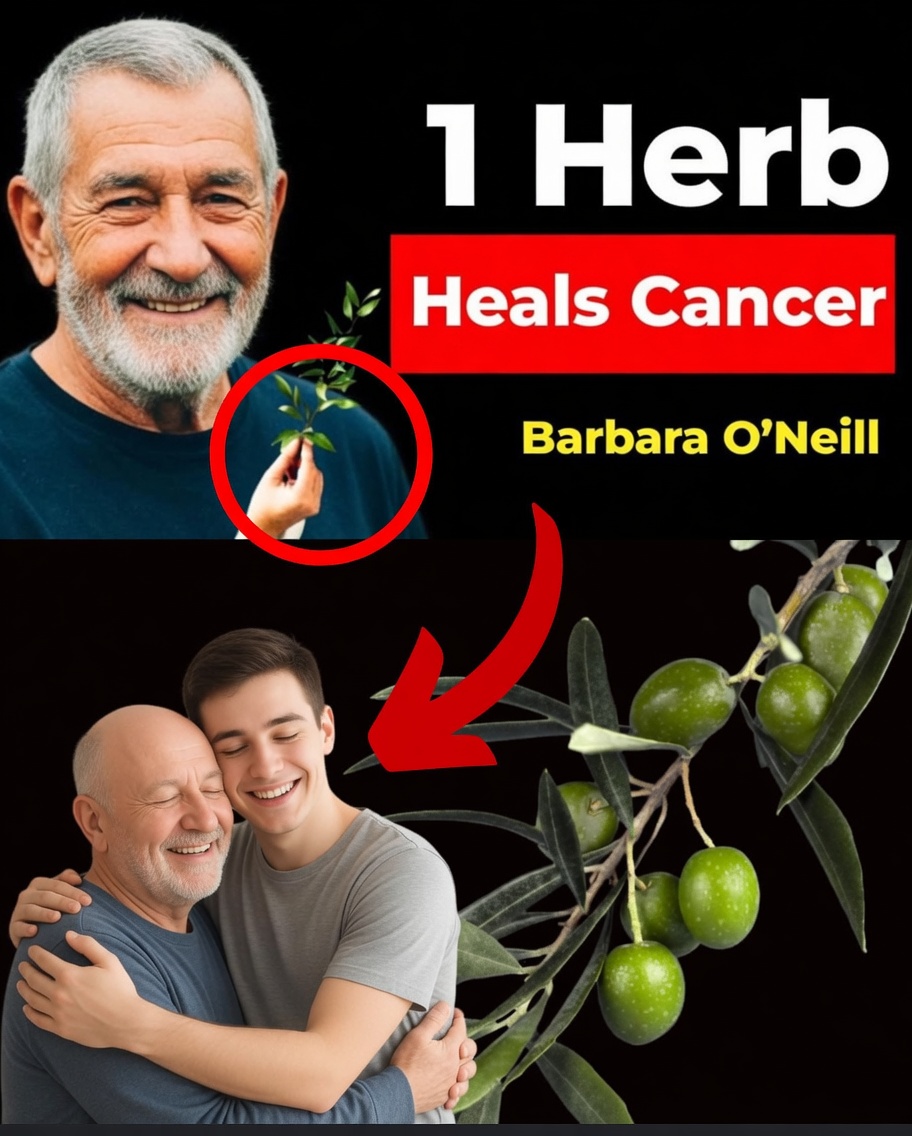
One natural product O’Neill frequently mentions is olive leaf extract, which contains oleuropein—a plant compound recognized for antioxidant, anti-inflammatory, and antimicrobial activity.
Scientific interest in oleuropein has grown. A 2022 study in the International Journal of Molecular Sciences reported that oleuropein may slow the growth of breast and prostate cancer cells by influencing the PI3K/Akt/mTOR signaling pathway (González-Vallinas et al., 2022). Earlier, a 2018 paper in Oncotarget found that oleuropein could encourage apoptosis (programmed cell death) in colorectal cancer cells (D’Angelo et al., 2018).
Diet as a Practical Tool for Cancer Prevention and Resilience
O’Neill places strong emphasis on food choices as part of cancer prevention. Several commonly recommended foods have research-backed benefits that relate to inflammation, oxidative stress, and metabolic health.
-
Tomatoes with olive oil: Tomatoes contain lycopene, which becomes more bioavailable when consumed with healthy fats like olive oil. Research in the Journal of the National Cancer Institute has associated lycopene intake with lower prostate cancer risk (Giovannucci et al., 2018).
-
Legumes (beans, lentils, chickpeas): A 2020 study in Advances in Nutrition found that higher legume intake was linked with a 22% reduction in colorectal cancer risk (Aune et al., 2020).
-
Lemons and citrus: Although lemons taste acidic, they are often discussed in “alkalizing” dietary approaches. A 2021 study in Food Chemistry highlighted limonene in citrus as having anti-inflammatory activity and potential links to reduced breast cancer risk (Bello et al., 2021).
-
Dark leafy greens (spinach, kale): Greens provide chlorophyll and protective phytonutrients. A study in Molecular Nutrition & Food Research connected these compounds with reduced oxidative DNA damage (Egner et al., 2019).
-
Nuts and seeds: Almonds, walnuts, pumpkin seeds, and similar foods provide antioxidants and beneficial fats, including omega-3s. Evidence in The American Journal of Clinical Nutrition links these nutrients with reduced inflammation (Baer et al., 2021).
Foods Often Flagged as Higher Risk
O’Neill also warns that certain dietary patterns may increase inflammation or worsen metabolic conditions associated with cancer risk.
-
Refined sugar: A 2020 study in Nature Communications linked high sugar intake with a higher risk of breast cancer (Liu et al., 2020).
-
Genetically modified or modern wheat varieties: Some critics argue that certain modern wheat profiles—higher in gluten components and amylopectin A—may contribute to inflammation in sensitive individuals (Smith et al., 2019).
-
Aged cheeses: These can contain higher levels of tyramine, which some research associates with inflammatory responses in certain contexts (Zheng et al., 2021).
-
Excess caffeine: A study in the European Journal of Nutrition reported that intakes above 400 mg of caffeine per day may elevate cortisol levels, which could negatively affect long-term health and potentially influence cancer-related pathways (Loftfield et al., 2019).
Conclusion: Why Awareness Matters in Modern Cancer Care
Barbara O’Neill argues that cancer prevention and support should include education about both conventional treatment and evidence-informed lifestyle strategies. From her perspective, combining medical care with nutrition, natural compounds, and healthier daily habits may improve outcomes by strengthening the body’s internal environment.
She also emphasizes informed choice—encouraging people to understand the benefits and drawbacks of standard therapies as well as natural options. As research continues to explore metabolism, inflammation, and immune function, the future of cancer care may increasingly move toward a more comprehensive approach aimed at creating conditions where cancer is less likely to thrive.