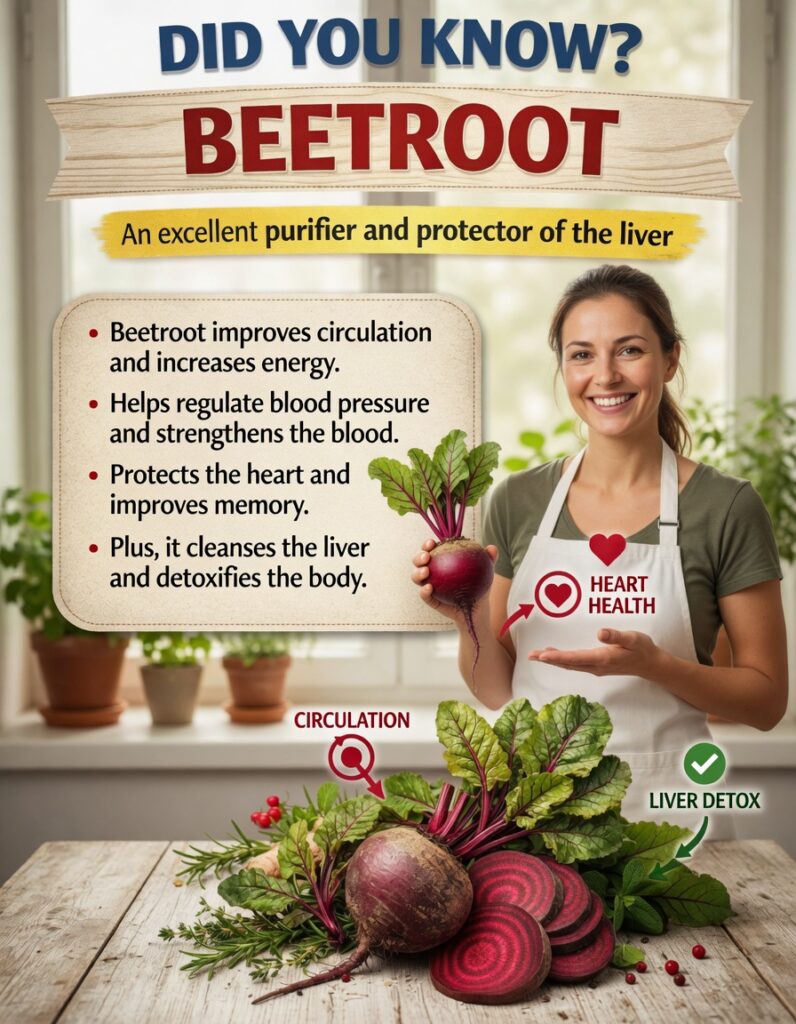
Beetroot: A Powerful Superfood for Energy, Circulation and Overall Health
Beetroot is far more than a bright, colorful root vegetable. Used since ancient times for its nutritional value, it is now widely recognized as a true health-boosting food thanks to its impressive content of vitamins, minerals and antioxidants.
Whether eaten raw, cooked or as juice, beetroot supports the body gently but effectively.
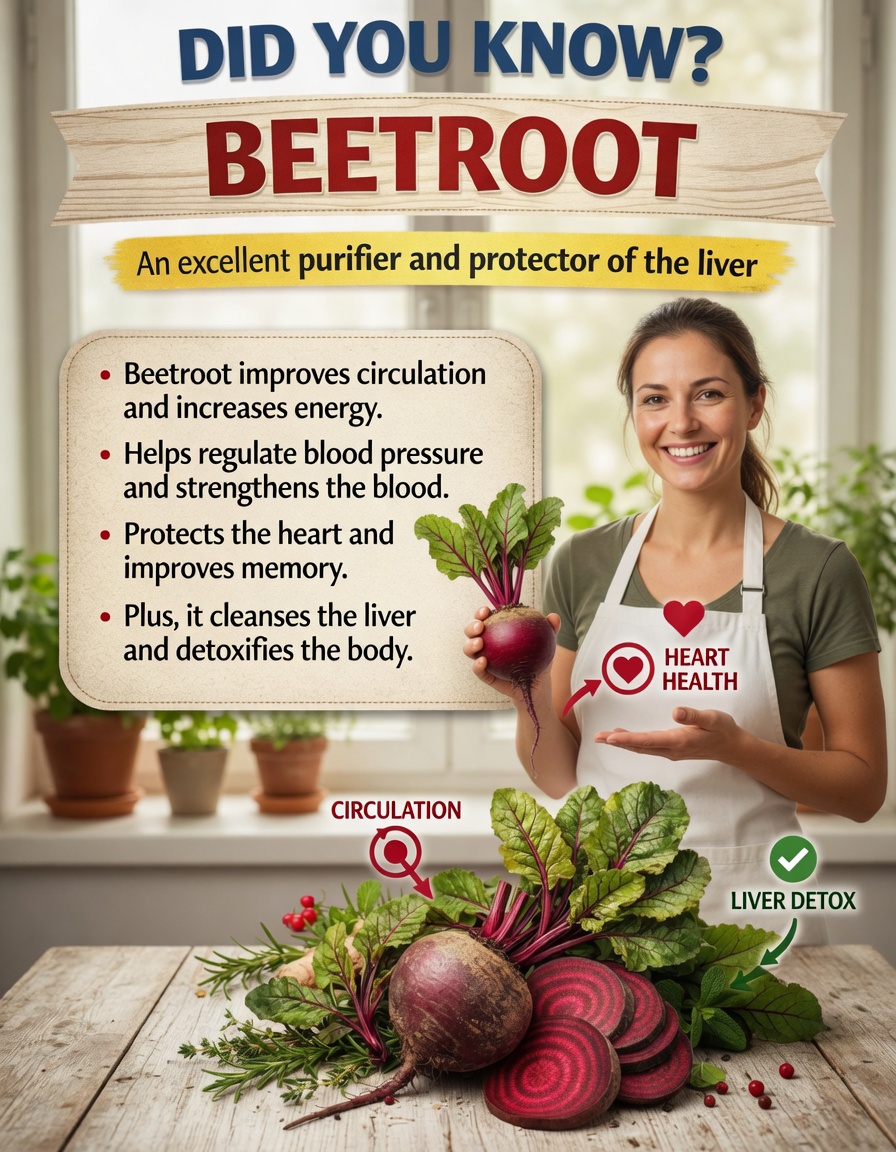
Why Is Beetroot So Good for Your Health?
1. Supports Healthy Blood Circulation
Beetroot naturally contains a high level of nitrates, which the body converts into nitric oxide. This compound helps to:
- Improve blood flow throughout the body
- Enhance oxygen delivery to cells
- Support cardiovascular health and healthy blood pressure
Because of these effects, beetroot is especially popular among athletes and people who feel easily tired.
2. Boosts Energy and Physical Endurance
Thanks to its unique combination of nutrients, beetroot can:
- Help reduce feelings of fatigue
- Improve physical performance and stamina
- Provide a steady, natural source of energy
Many people drink beetroot juice before exercise to benefit from its energizing and revitalizing properties.
3. Supports Brain Function and Focus
By promoting better circulation, especially to the brain, beetroot may contribute to:
- Improved concentration and focus
- Sharper mental clarity
- Cognitive support as we age
Better blood flow means more oxygen and nutrients reach the brain, which can help keep it functioning optimally.
4. Helps Cleanse and Purify the Blood
Traditionally, beetroot has been used as a cleansing food because it can:
- Support liver function and detoxification
- Assist the body in eliminating toxins
- Promote cleaner, healthier blood
Its red pigment, betaine (often confused with betalain pigments), plays a key role in these detox-supporting processes.
5. Helps Balance Blood Sugar Levels
Beetroot is rich in natural dietary fiber, which:
- Slows the absorption of sugars into the bloodstream
- Supports more stable blood sugar levels
- Helps the metabolism when consumed in reasonable amounts
Although beetroot is naturally sweet, its fiber content can help moderate the impact on blood glucose when eaten as part of a balanced diet.
6. Supports Digestion and Gut Health
For digestive wellness, beetroot can:
- Promote regular bowel movements
- Help prevent constipation
- Feed and support a healthy gut microbiome
Its fiber and antioxidants work together to keep the digestive system functioning smoothly.
7. Enhances Skin Health and Vitality
Thanks to its antioxidants and vitamin C, beetroot can:
- Help protect cells from oxidative stress and premature aging
- Contribute to brighter, more radiant-looking skin
- Support the immune system and overall vitality
These protective compounds fight free radicals, which can damage cells over time.
How to Eat Beetroot
Beetroot is versatile and easy to add to your meals:
- Raw, grated in salads
- Cooked by steaming, boiling or roasting in the oven
- As fresh juice (on its own, or mixed with carrot, apple, ginger or other fruits and vegetables)
Enjoying beetroot 2 to 3 times per week is usually enough to benefit from its main health effects.
Precautions
- Consume in moderation if you have diabetes or need to monitor your carbohydrate intake
- It may temporarily turn urine or stool pink or red; this is harmless and normal
- Whenever possible, choose fresh or organic beetroot to avoid additives and maximize nutrients
Conclusion
Beetroot is a simple, natural and powerful food that supports energy, circulation, digestion and overall vitality. When included regularly in a balanced diet, it can help you build a stronger, more resilient and better-balanced body.