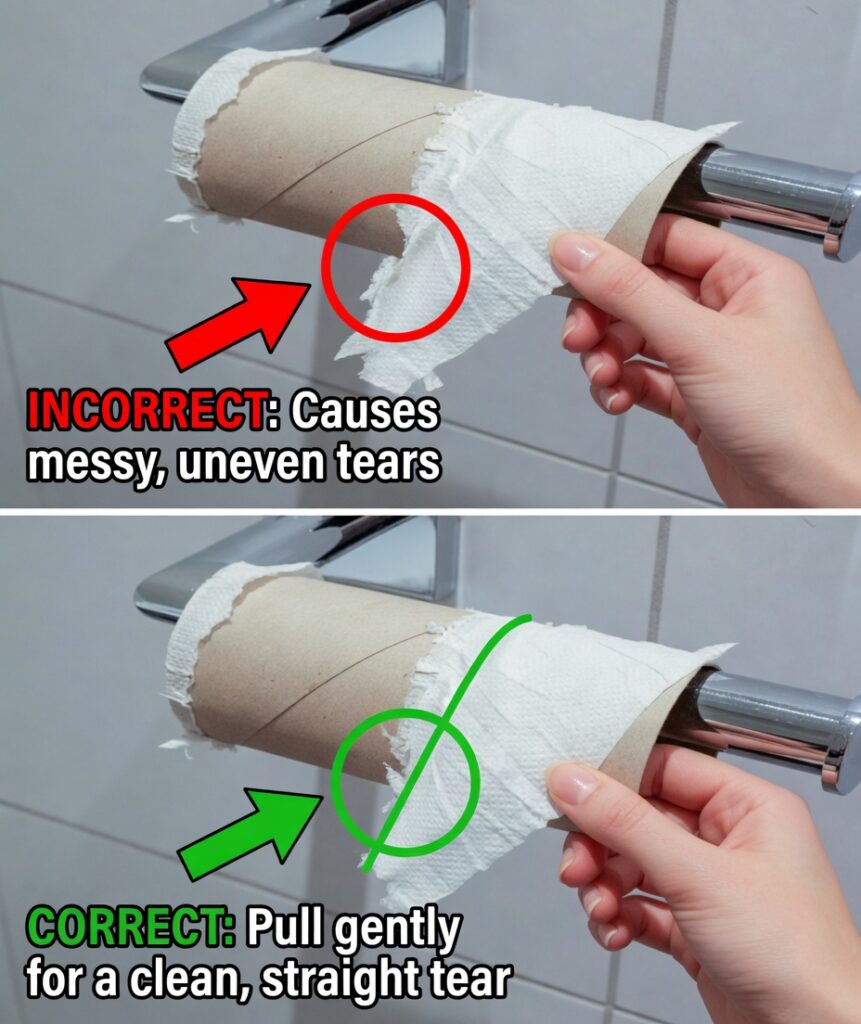
Toilet Paper in Daily Life: A Bathroom Essential Under Pressure
Toilet paper is used by millions of people every day and has become a basic part of modern hygiene. Yet its long-term place in our bathrooms is increasingly questioned, and some observers even predict it could eventually disappear from store shelves. In France and across other Western countries, high toilet paper consumption now raises urgent concerns about sustainability, waste, and public health.
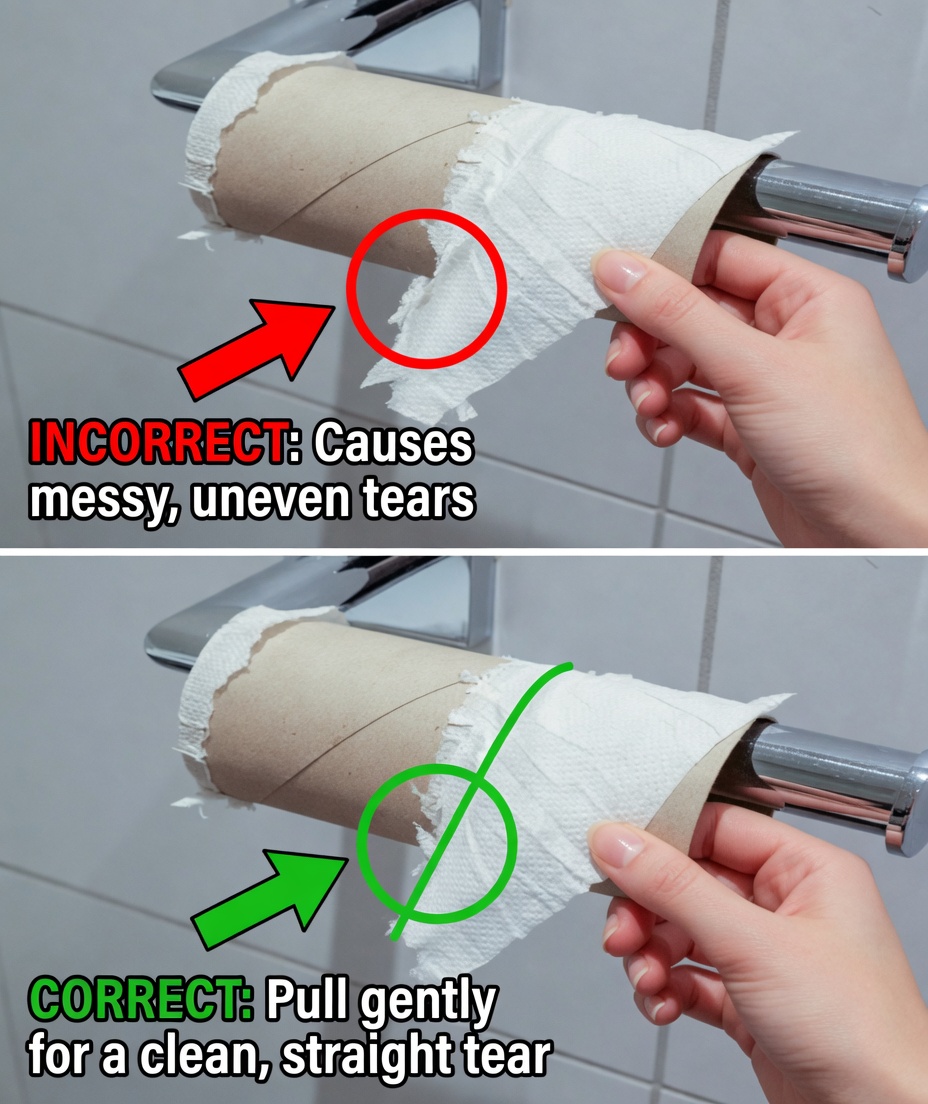
A Brief History of Toilet Paper—and Its Environmental Cost
Modern toilet paper dates back to the mid-1800s, when Joseph Gayetty introduced it in the United States. Over time, it turned into a global everyday product.
That convenience comes with a heavy environmental footprint. Producing disposable toilet paper contributes to deforestation, intensive water use, and industrial pollution. As awareness grows around climate change and resource depletion, consumers and policymakers are increasingly rethinking whether single-use paper products can remain the default hygiene solution.
Toxic Contaminants in Toilet Paper: What Research Suggests
Environmental concerns are not the only issue. Recent studies—including research referenced from the University of Florida—have drawn attention to potentially harmful chemicals found in some toilet paper products. Depending on the substances involved, exposure may be linked to serious health risks such as certain cancers and fertility-related harm.
In France, reports of higher contamination levels have amplified public worry, pushing more people to question what is actually contained in the rolls they use daily.
Eco-Friendly and More Hygienic Alternatives to Toilet Paper
As criticism of traditional toilet paper increases, alternative bathroom hygiene methods are becoming more popular—especially options that reduce waste while improving cleanliness.
One widely used approach worldwide is cleaning with soap and water, often considered both more hygienic and more environmentally responsible than wiping with disposable paper. Another solution gaining renewed attention is the bidet, particularly updated versions.
In Japan, for example, high-tech toilets with built-in water jets are common. This style of water-based cleaning could signal a major shift in bathroom habits in Western countries as well.
Reusable Toilet Paper: A Growing Zero-Waste Option
A second potential replacement is reusable toilet paper, typically made from washable fabrics such as cotton. Instead of throwing sheets away, users clean and reuse them, reducing household waste and cutting the environmental impact tied to manufacturing and transporting disposable rolls.
While the concept may feel unfamiliar to some, it is increasingly viewed as a practical option—especially for those focused on low-waste living and long-term savings.
Will People Actually Switch? Adoption and Social Acceptability
Even if alternatives are more sustainable, the biggest obstacle may be human behavior. Toilet paper is deeply embedded in routine, and changing that habit requires more than good intentions.
For large-scale adoption to happen, alternatives must be:
- Easy to access and affordable
- Simple to install and maintain
- Explained clearly through public information efforts
- Presented with evidence of hygiene and environmental benefits
Awareness campaigns can help normalize water-based cleaning and reusable products, especially when they clearly compare these methods to traditional toilet paper use.
Economic Effects: Higher Upfront Costs, Potential Long-Term Savings
Switching away from toilet paper can also reshape household and public spending. Installing a bidet system or purchasing reusable materials may feel expensive at first. However, these options can reduce or eliminate the recurring cost of buying disposable toilet paper.
Both consumers and policymakers must consider:
- Initial purchase and installation expenses
- Maintenance requirements
- Long-term savings from reduced paper consumption
When evaluated over time, many alternatives may prove financially reasonable—especially for large households or public facilities.
Infrastructure Challenges: Upgrading Bathrooms for Greener Hygiene
Moving toward “less paper” or “no paper” toilets isn’t effortless. Many buildings—particularly older homes and public spaces—are not designed for bidet installation or water-based systems.
Key transition barriers include:
- Retrofitting plumbing and fixtures
- Funding public restroom upgrades
- Ensuring facilities stay functional, clean, and accessible
- Planning for ongoing maintenance
Without coordinated investment and planning, these practical issues can slow adoption even when public interest is growing.
How Public Policy Can Speed Up the Shift
Government action can significantly influence how quickly toilet paper alternatives become mainstream. Policies that support sustainable hygiene could include:
- Tax credits or rebates for bidet installation
- Subsidies for eco-friendly bathroom upgrades
- Regulatory standards that encourage lower-waste sanitation systems
By reducing economic barriers, public policy can make sustainable alternatives more achievable for a wider population.
The Future of Hygiene: Sustainability, Health, and Collective Well-Being
The debate around toilet paper is about more than a consumer preference—it connects directly to broader priorities such as environmental protection, public health, and quality of life. Exploring alternatives is not only a way to reduce deforestation and pollution, but also an opportunity to improve hygiene practices and limit exposure to potentially harmful substances.
As these options become more accessible and better understood, the future of bathroom hygiene may look very different—cleaner, greener, and healthier for everyone.