This Simple Leaf May Help Your Body Tackle Deep Inflammation — and Almost No One Talks About It
Cancer is a reality that touches nearly every family. Even people who eat well, stay active, and try to do “everything right” often carry a quiet concern about cellular health. What if there were a natural compound—rarely discussed in everyday wellness conversations, yet actively studied in labs—that could offer a new perspective on daily support and prevention?
Keep reading: what you’re about to learn may change how you think about long-term wellbeing.
Why Do So Many People Still Feel at Risk?
After the age of 40, several processes tend to intensify, including chronic inflammation, oxidative stress, and gradual weakening of immune defenses. These factors can create conditions that may favor unwanted cellular changes. And while a balanced diet and regular exercise are essential, many people are unaware of specific natural compounds that may influence these internal pathways.
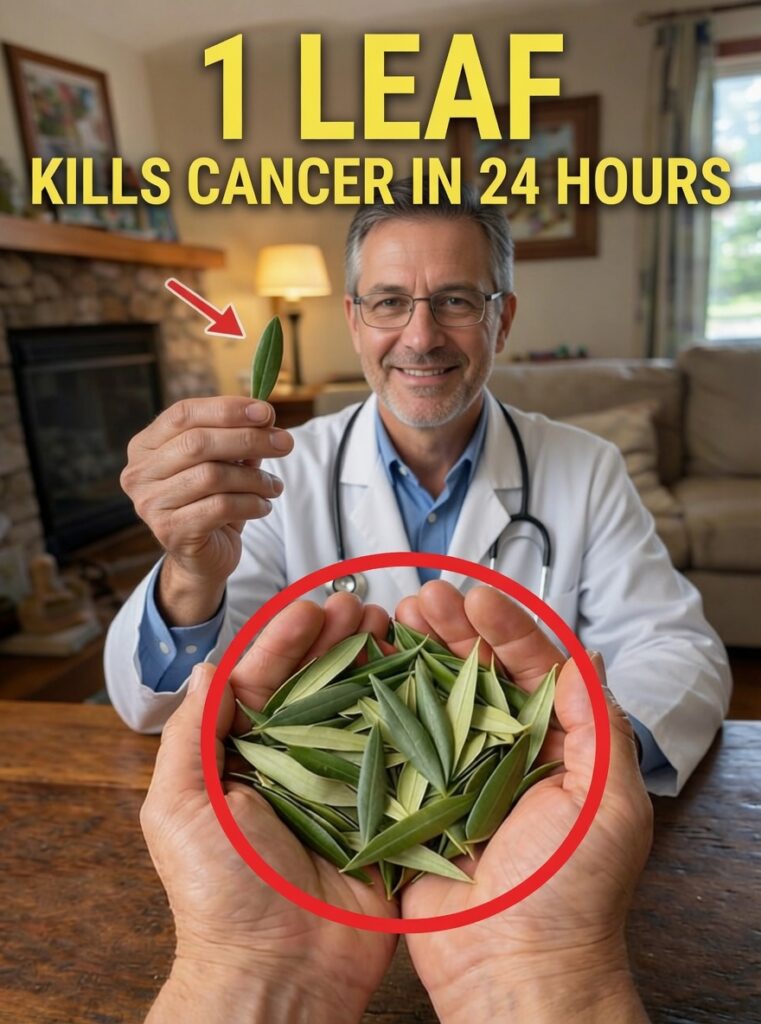
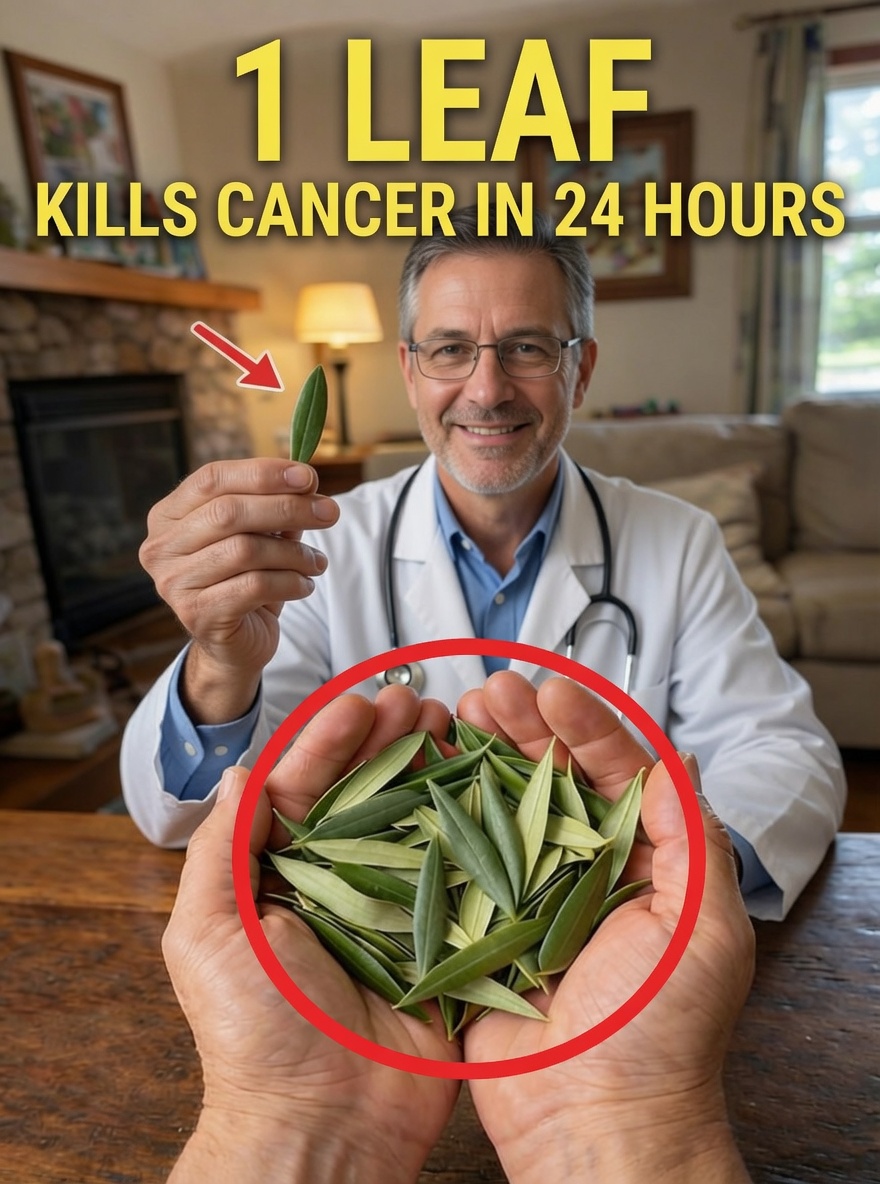
This is where olive leaf extract stands out. It is especially rich in oleuropein, a plant compound that has attracted scientific attention for its potential cell-supporting properties—despite being far less common in traditional health recommendations.
What Has Science Been Observing?
Olive leaf extract contains powerful polyphenols, particularly oleuropein and hydroxytyrosol. Researchers have been exploring how these substances may interact with key biological processes related to inflammation, oxidative damage, and cellular function.
This is not presented as a cure. The goal is to understand how certain plant compounds might support the body’s natural defenses.
An interesting detail: olive leaves may contain up to 25% oleuropein, which can make the extract significantly more concentrated than olive oil.
Key Benefits Being Studied
-
High oleuropein content
Laboratory research has linked oleuropein to mechanisms involved in apoptosis (programmed cell death) in experimental models. -
Potential selectivity in cell studies
In vitro findings suggest effects may be more pronounced in altered cells, with less impact on healthy cells (still under investigation). -
Anti-inflammatory activity
Studies indicate it may influence inflammatory markers such as TNF-α and enzymes like COX-2. -
Strong antioxidant protection
Hydroxytyrosol is known for neutralizing free radicals and may help protect DNA from oxidative stress. -
Cell cycle regulation
Some research suggests it may affect pathways involved in the replication of altered cells. -
Possible synergistic effects
In certain experimental contexts, olive leaf compounds may increase cell sensitivity to other interventions. -
Immune system support
Animal models have shown changes consistent with increased activity of immune defense cells. -
Metabolic support
Research suggests it may contribute to improved glucose handling and insulin sensitivity. -
Cardiovascular health
Olive polyphenols have been associated with healthier blood vessel function and reduced LDL oxidation. -
Early neuroprotective potential
Initial studies suggest possible protective effects against degenerative processes, though more evidence is needed. -
Antimicrobial properties
Lab studies show activity against certain bacteria and viruses under controlled conditions. -
Liver support
It may assist normal detoxification pathways and liver-related protective mechanisms. -
Weight management signals (animal data)
Some animal studies indicate reduced fat accumulation, though human data is still evolving. -
Broad cellular defense
The combination of polyphenols may offer cumulative support across multiple pathways. -
Long-term wellness approach
Consistent, sustainable habits may contribute to better overall balance over time.
How to Use Olive Leaf Extract in Daily Life
If you want to try it cautiously, a gradual approach is often recommended:
- Week 1: 500 mg per day or 1–2 cups of olive leaf tea
- Week 2: Increase to 750–1000 mg per day
- Week 3: Focus on consistency
- Week 4: Observe how you feel and adjust if needed
For supplements, consider products standardized to 15–25% oleuropein.
Important Safety Notes
- Start with lower doses, especially if you’re sensitive
- Take it with food if it upsets your stomach
- Consider taking breaks after 8–12 weeks of continuous use
- Monitor blood pressure, as it may shift in some individuals
- Speak with a healthcare professional—especially if you take medication
Conclusion
Olive leaf extract isn’t a miracle solution. However, it is a promising natural option being studied for its potential role in supporting cellular health, lowering inflammation-related stress, and strengthening the body’s protective systems. Over time, small consistent choices can add up to meaningful support for overall wellbeing.
Frequently Asked Questions
What is olive leaf extract?
It’s a natural supplement made from olive tree leaves, concentrated in antioxidant compounds such as oleuropein and hydroxytyrosol.
How do I choose a good product?
Look for a standardized extract containing at least 15% oleuropein (often listed on the label).
Can it interact with medications?
Yes. It may interact especially with medications for blood pressure and blood sugar. Consult a qualified professional before using it.
This content is for informational purposes only and does not replace medical advice.