Beet Leaves (Beet Greens): The Overlooked Nutrient-Dense “Super Green”
Beet leaves—also called beet greens—are often discarded, but they’re one of the most nutrient-rich leafy vegetables you can bring into your diet. These vibrant tops provide a wide range of vitamins, minerals, antioxidants, and plant compounds linked to everyday wellness and several traditional medicinal uses.
Key Medicinal Benefits of Beet Leaves
1) Brain and Nervous System Support
Beet greens contain B vitamins and choline, nutrients associated with:
- Healthy nervous system function
- Memory and cognitive performance
- Mood and emotional balance
They also supply dietary nitrates (similar to beetroot), which can support better blood flow, including circulation to the brain—an important factor in long-term cognitive health.
2) Natural Support for Healthy Blood Pressure
The nitrates in beet leaves may help the body produce nitric oxide, which can:
- Relax and widen blood vessels
- Support healthier blood pressure levels
- Improve overall circulation
Compared with beetroot juice, beet greens also deliver fiber and additional antioxidants, making them a practical choice for everyday heart-friendly meals.
3) Stronger Bones and Reduced Inflammation
Beet greens are especially valued for bone and joint support because they provide:
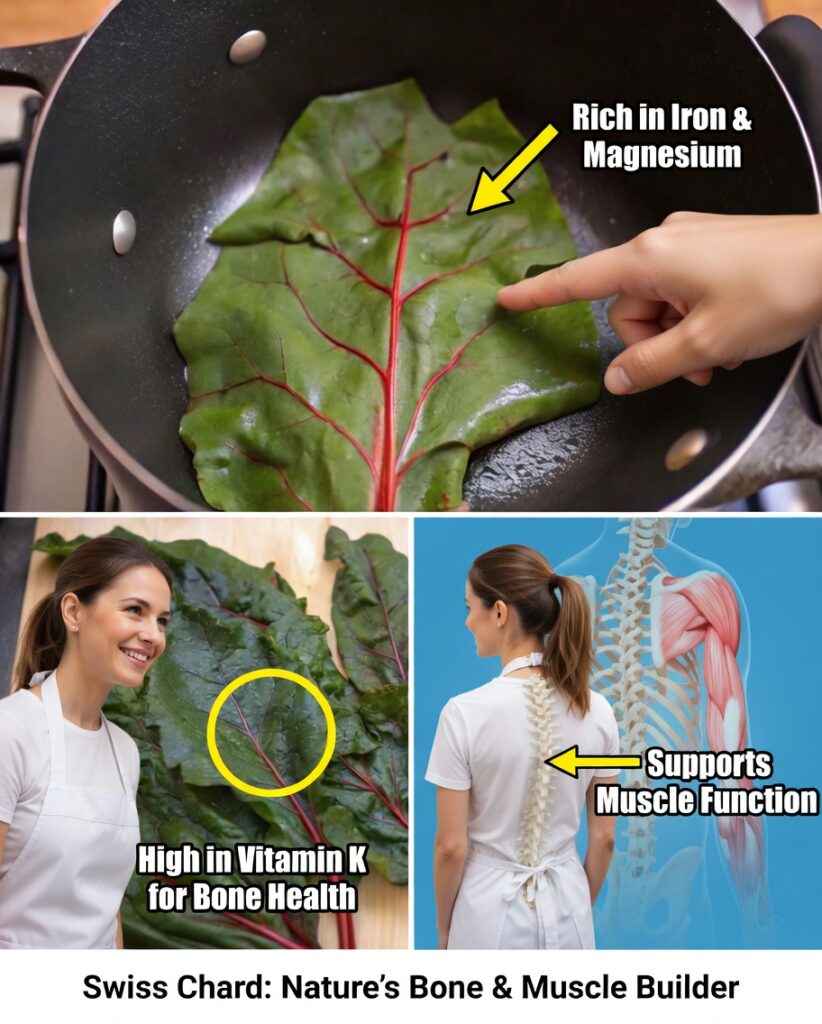
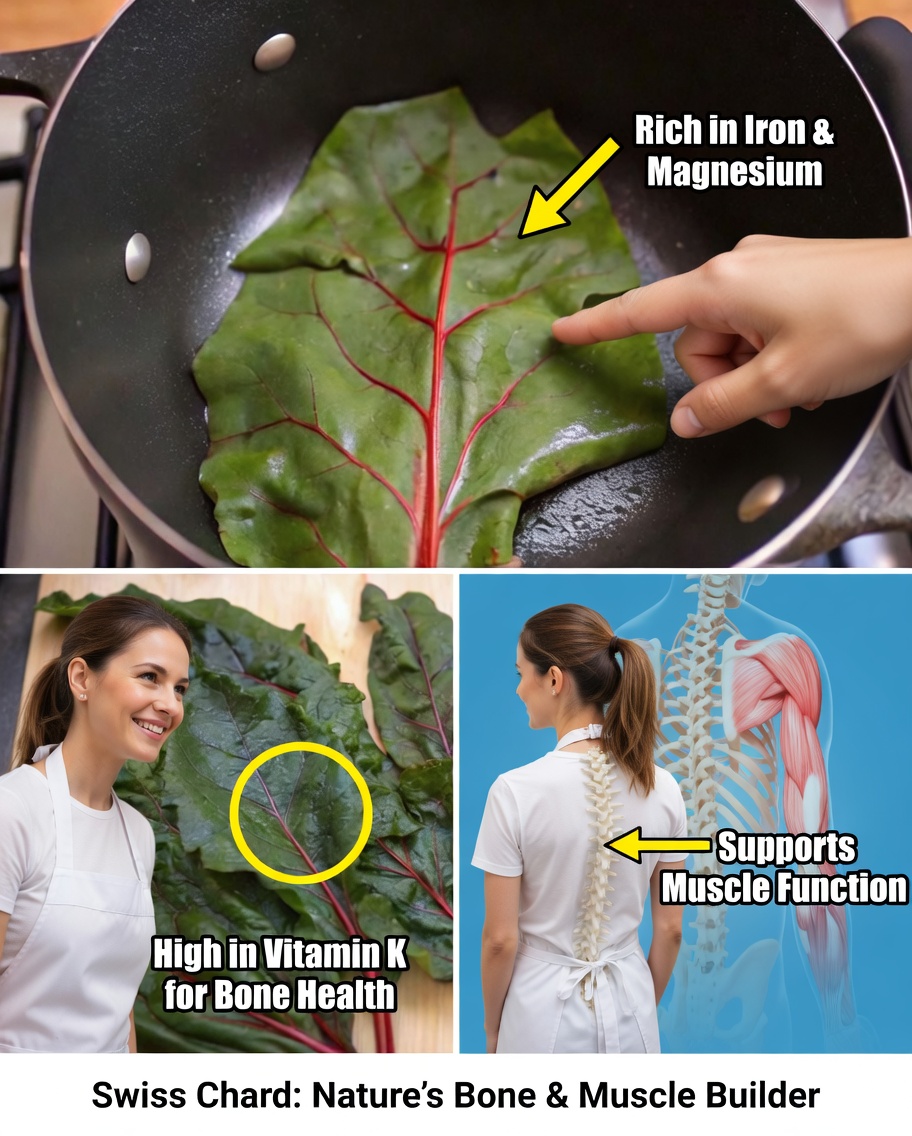
- Vitamin K1, which plays a role in bone metabolism and calcium use
- Magnesium and calcium, important for bone strength and muscle function
- Anti-inflammatory phytonutrients, which may help ease minor joint discomfort and swelling
4) Blood and Liver Support (Detox-Friendly Nutrients)
Beet leaves contain several compounds commonly associated with “cleansing” and metabolic support, including:
- Chlorophyll, often linked to blood-cleansing and antioxidant activity
- Iron, which supports red blood cell production
- Betaine, a compound connected with liver function and fat metabolism
This combination can be helpful for people aiming to support digestion and general liver wellness through food.
5) Digestive Health, Prebiotic Fiber, and Antioxidants
Thanks to their high fiber content, beet greens may:
- Promote regular bowel movements and smoother digestion
- Feed beneficial gut bacteria (a prebiotic effect)
- Help maintain steadier blood sugar levels as part of balanced meals
How to Eat Beet Greens for Maximum Benefits
Beet leaves are easy to use in everyday cooking. Try these simple options:
- Sauté or steam like spinach with garlic and olive oil
- Add raw beet greens to smoothies or salads for a mild, earthy flavor
- Make beet leaf tea for gentle support: simmer 5–7 minutes, strain, and sip
- Juice them with other greens, plus lemon and ginger for a brighter taste
Important Caution: Oxalates and Kidney Stones
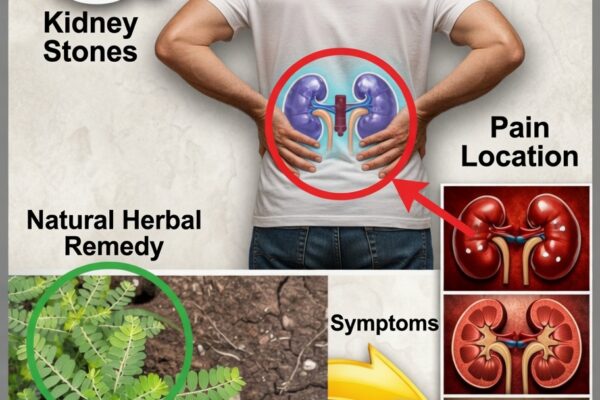
Beet greens are high in oxalates, which may contribute to kidney stones in people who are prone to them. If you have a history of kidney stones or kidney disease, consult a healthcare professional before eating large amounts regularly.
Takeaway: Don’t Throw Away Beet Tops
Beet leaves are one of the most underused healing greens in the kitchen. If you want a natural way to support heart health, brain function, bone strength, digestion, and circulation, adding beet greens to your meals is a smart, affordable, and nutrient-packed choice.