Are You Really Supporting Your Body’s Natural Defenses?
Nearly 2 million new cancer cases are diagnosed in the United States every single year, and the trend is rising. Now picture this: a favorite childhood spread hiding a toxin linked to cancer in children—or a humble tropical leaf shown in lab research to attack abnormal cells while leaving healthy ones mostly unharmed.
On a scale of 1–10, how confident are you in your body’s built-in defense systems right now? Keep that number in mind…
If you’re over 40, juggling work, family, and everyday stress, you may have wondered:
- Are there hidden dangers in common foods?
- Are there natural, science-inspired ways to support your body?
- Could simple plants and lifestyle shifts make your internal environment less friendly to cancer?
In this guide, you’ll discover 15 natural, research-informed strategies—including that intriguing “superleaf”—inspired by educators like Barbara O’Neill and Nobel-winning science. Many people never hear these perspectives. You’re already ahead just by reading this.
The Hidden Fuel Sources Cancer Loves
Reaching your late 40s or 50s can bring unexpected health concerns: stubborn fatigue, weight changes, or worries about family history.
Global statistics show that cancer has taken close to 10 million lives in recent years. Large-scale research consistently points to lifestyle and diet as major contributing factors—alongside genetics.
Consider this: some investigations have found mold toxins (aflatoxins) in foods like peanut products, which are associated with an increased risk of liver cancer. That’s unsettling when these foods are part of everyday diets.
But it’s not only about toxins. Many practitioners believe cancer thrives in an internal environment characterized by:
- High blood sugar (glucose)
- Low oxygen levels in tissues
- Increased acidity (linked with certain dietary patterns)
- An overwhelmed immune system
On a scale of 1–5, how closely do you monitor your daily sugar intake?
You might have experimented with strict diets or expensive supplements. Often, they fail because they ignore the cellular environment—the conditions inside your body where cells either flourish or falter.
What if intentionally creating more oxygen-rich, less acidic, nutrient-dense conditions could make it harder for cancer to thrive?
Pause for a moment: On a scale of 1–10, how acidic do you think your usual diet is (with 10 being very acidic and processed)?
What Cancer Cells Prefer (And Why You Want the Opposite)
Think about how you feel after a sugary meal: a quick rush, followed by a crash and sluggishness.
Research has shown that many cancer cells:
- Consume far more glucose (sugar) than normal cells
- Prefer low-oxygen (anaerobic) pathways to produce energy
This concept was highlighted by Otto Warburg, who received the Nobel Prize in 1931 for his work on cellular respiration. While science has advanced since then, the idea that cancer cells often favor glucose and altered energy pathways still informs many modern discussions.
In parallel, nutrition researcher Dr. T. Colin Campbell observed in animal studies that high intakes of animal protein could “switch on” cancer development when carcinogens were present, while lower levels of animal protein appeared to “switch it off.”
For anyone who believes “it’s just genetics,” a growing body of data suggests that environment and lifestyle can strongly influence risk—even with inherited vulnerabilities.
Now that you understand the foundations, let’s move into the 15 practical strategies.
Strategy 1: Reduce Excess Sugar and Refined Carbs to Cut Cancer’s Fuel Supply
Could frequent sugar spikes be quietly feeding trouble?
Meet John, 58, a retired man from Texas. He felt drained most days:
“It was like my energy was being stolen.”
He switched his diet to emphasize low-glycemic plant foods—vegetables, legumes, whole grains, and healthy fats—while greatly reducing refined sugar and white flour products. Within weeks, his energy levels became more stable.
This aligns with Warburg’s insights: many cancer cells depend heavily on fermentation of glucose rather than efficient oxygen-based energy production.
John later shared:
“My doctor was surprised at how my markers and energy improved.”
On a scale of 1–10, how often do you experience energy crashes after eating?
Next, we’ll look at oxygen—the other pillar.
Strategy 2: Increase Oxygen Through Deep Breathing and Regular Movement
Do you feel low on vitality even when you get enough sleep?
Sarah, 52, a schoolteacher, started a simple daily routine:
- Brisk walking outdoors
- A few minutes of deep diaphragmatic breathing
These habits improved her circulation and oxygen delivery to tissues.
Oxygen-based (aerobic) energy pathways can generate up to 18 times more energy per molecule of glucose compared with oxygen-free pathways. Better oxygenation may support healthier cellular function and resilience.
Sarah’s words:
“I feel lighter, more alive—like someone turned up my internal power.”
Even 20–30 minutes of moderate movement most days can make a noticeable difference.
Strategy 3: Support a Less Acidic, More Alkaline-Forming Environment
Feel weighed down by processed foods, heavy meals, or constant heartburn?
Modern diets high in processed meats, refined grains, sugar, and soft drinks are often described as acid-forming. While your blood pH is tightly regulated, many practitioners believe that eating more alkaline-forming foods (like leafy greens, vegetables, and certain fruits) supports better overall balance and reduces stress on the body.
Mike, 47, decided to:
- Cut back on red meat and dairy
- Focus on vegetables, salads, and plant-based meals
He noticed improved digestion and more consistent energy.
Some controversial approaches—like those popularized by Italian former physician Tullio Simoncini—have explored using alkalizing agents with claims of tumor shrinkage. These are not mainstream treatments and are not recommended as medical therapy, but they’ve helped spark public conversation about the role of acid–alkaline balance in health.
Mike’s takeaway:
“I felt more in control and less like a victim of my habits.”
Bonus tip: Starting your morning with warm water and fresh lemon can gently support hydration and digestion. Though lemon is acidic outside the body, it is generally considered alkaline-forming after metabolism.
Strategy 4: Moderate Animal Protein in Light of Landmark Nutrition Studies
Concerned about frequent high-protein, animal-heavy meals?
Inspired by Dr. T. Colin Campbell’s findings, Lisa shifted toward a plant-centered diet. In animal studies, high levels of certain animal proteins were associated with increased cancer growth when carcinogens were present, while lower levels appeared protective.
In one notable series of experiments:
- Rats given a strong carcinogen developed cancer only when fed high amounts of animal protein.
- When the same carcinogen-exposed rats ate low amounts of animal protein, cancer did not develop in the same way.
While human biology is more complex, these findings have influenced many people to reduce animal protein and emphasize:
- Legumes
- Nuts and seeds
- Whole grains
- Vegetables and fruits
Lisa reported:
“I feel clearer in my mind and stronger in my body.”
You’ve now encountered 4 of 15 strategies—you’re building serious momentum.
Strategy 5: Make Whole Plant Foods the Foundation of Your Daily Diet
Do processed snacks and convenience foods dominate your shopping cart?
Tom, 55, made a decisive change. He replaced ultra-processed snacks and fast food with:
- Fresh vegetables and leafy greens
- Whole grains like brown rice and oats
- Beans, lentils, and chickpeas
- Modest amounts of nuts and seeds
Populations that eat predominantly whole, plant-based diets often show lower rates of chronic diseases, including certain cancers, in epidemiological studies.
Tom’s experience:
“My vitality came back—I didn’t realize how sluggish I’d become.”
Insider note: Some natural practitioners recommend minimizing or temporarily avoiding fruit during an initial detox phase, especially if you’re dealing with blood sugar imbalances. This is an individual choice and should be tailored to your health needs.
Strategy 6: Reduce Exposure to Hidden Toxins Like Aflatoxins
Worried about everyday toxin exposure?
Aflatoxins are toxic substances produced by certain molds that can grow on peanuts, corn, grains, and related products. Long-term exposure is linked with a higher risk of liver cancer.
Emma decided to:
- Avoid foods with a history of mold contamination or poor storage
- Choose reputable brands and proper food storage
- Increase her intake of detox-supportive greens and fiber
She shared:
“I feel more at peace knowing I’m reducing obvious risks where I can.”
Limiting processed foods and monitoring nut and grain quality can help cut exposure.
Strategy 7: Strengthen Immunity with Quality Sleep and Stress Management
Feeling overwhelmed and run-down?
Your immune system constantly scans for abnormal cells and helps prevent them from becoming dangerous. But chronic stress, poor sleep, and burnout can weaken this frontline defense.
David made immune support a priority:
- Set a consistent sleep schedule
- Reduced late-night screen time
- Practiced simple relaxation techniques (deep breathing, prayer, or meditation)
Over time, he noticed:
“I felt more resilient, physically and emotionally.”
Supporting your immune system is one of the most powerful ways to help your body handle cells that “don’t belong.”
You’ve reached the halfway mark—this already puts you among the most engaged readers. Now we’ll move into some of the most talked-about plants.
Strategy 8: Use Wheatgrass for a Chlorophyll and Detox Boost
Looking for a natural way to support oxygen and detox?
Rachel began juicing fresh wheatgrass every morning. The vivid green liquid, rich in chlorophyll, became part of her daily routine.
Potential benefits attributed to wheatgrass include:
- Supporting oxygen transport due to chlorophyll’s structural similarity to hemoglobin
- Providing antioxidants and nutrients
- Gently aiding detoxification pathways
Rachel described it as:
“A fresh burst of energy—like drinking sunshine.”
Even 1–2 ounces of wheatgrass juice can feel surprisingly potent for many people.
Mid-Article Check-In: Quick Reflection Quiz
Take a moment to pause and reflect:
- How many strategies have you seen so far? (Answer: 8)
- What is your biggest wellness concern right now? (Note it down.)
- Can you guess which leaf will be featured as the “star” shortly?
- Rate your vitality now vs. when you started reading (1–10).
- Do you want more practical, natural strategies? (If yes, keep going.)
Let’s continue.
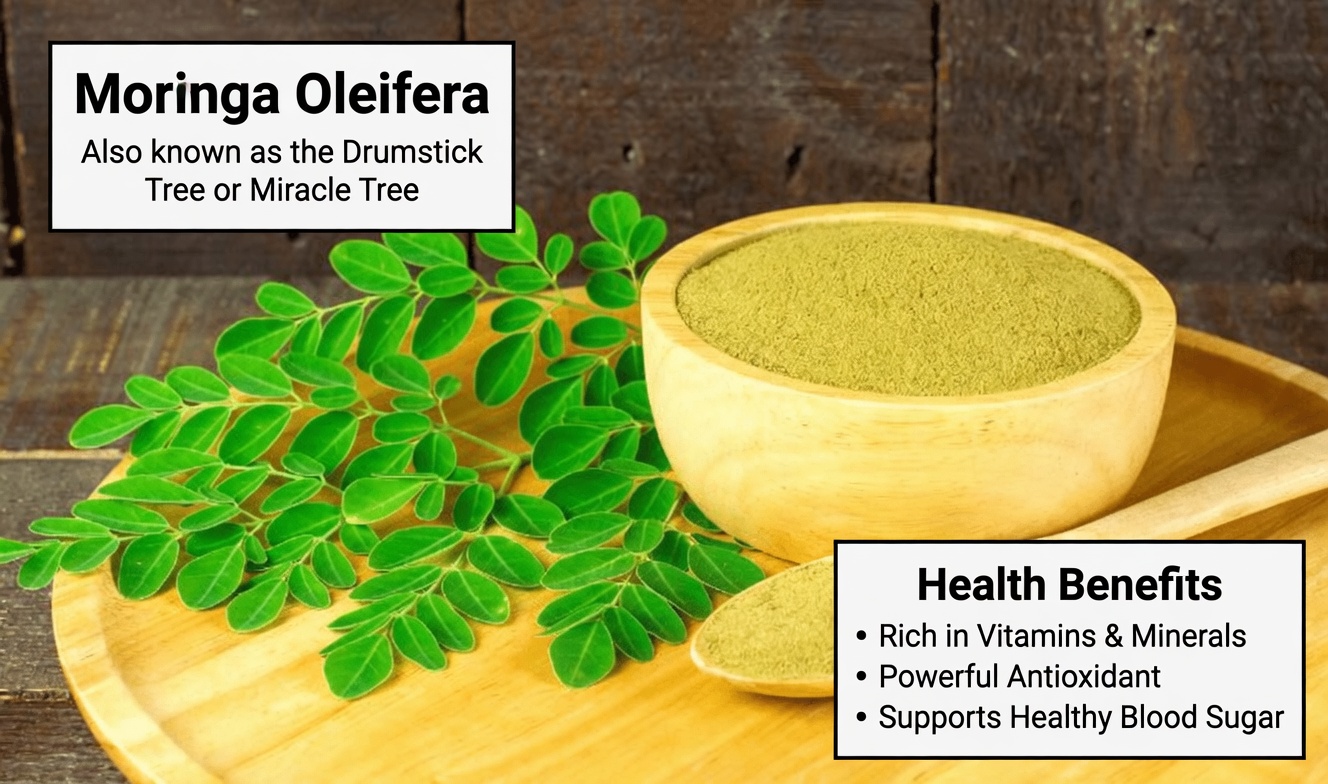
Strategy 9: Discover Moringa – The Nutrient-Dense “Miracle Leaf”
Struggling with ongoing inflammation or low energy?
Chris began adding moringa leaf (as tea or powder) to his daily routine. Moringa is sometimes called the “miracle tree” because its leaves are packed with:
- Antioxidants
- Vitamins and minerals
- Anti-inflammatory compounds in lab studies
Chris noticed:
“I felt more balanced—less sore, less sluggish.”
While more human research is needed, moringa is widely used in traditional medicine and modern wellness circles.
Strategy 10: Move Your Body Daily to Boost Circulation and Oxygen
Has a sedentary lifestyle crept in?
Anna decided to start with something simple: a daily walk. Over time, she increased her pace and occasionally added light strength training.
Benefits of regular movement include:
- Improved circulation and oxygen delivery
- Support for healthy blood sugar levels
- Reduced inflammation markers
- Lower risk of many chronic diseases
Even if you start with 10–15 minutes a day, consistent movement can significantly shift your internal environment.
Strategy 11: Support Hydration and Healthy pH with Sunlight and Mineral-Rich Water
Spending most of your time indoors and forgetting to drink water?
Mark focused on two simple upgrades:
- Drinking clean, mineral-rich water throughout the day
- Getting regular, moderate sun exposure (without burning)
Proper hydration supports:
- Detoxification
- Blood flow
- Cellular function
Sunlight helps with:
- Vitamin D production (linked to immune and bone health)
- Mood and circadian rhythm regulation
Together, these habits can gently support better pH balance and overall vitality.
You’ve now gathered 11 of 15 strategies—you’re well ahead of the curve.
Strategy 12: Cut Processed and Sugary Foods to Starve the Glucose Pathway
Do cravings seem to control your choices?
Sophia took a firm stand against:
- Sugary drinks
- Candy and pastries
- Highly processed snacks
She swapped them for:
- Fresh vegetables and salads
- Nuts and seeds
- Complex carbohydrates in moderate amounts
By reducing fast-digesting sugars, she targeted the glucose-heavy pathway that many cancer cells rely on, while also supporting healthier weight and energy.
Strategy 13: The Featured Leaf – Soursop (Graviola) Leaves
Concerned about abnormal cells or a worrying diagnosis?
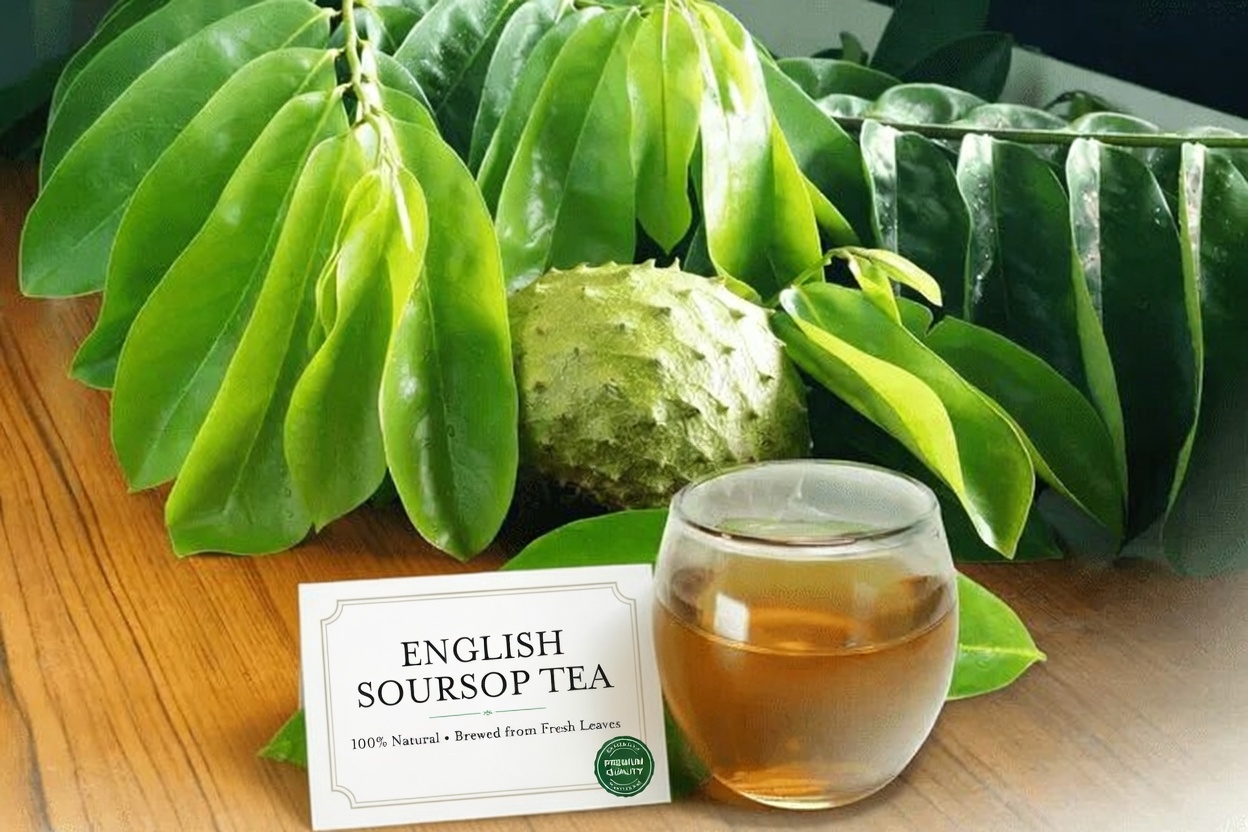
Soursop (also known as graviola or guanábana) has gained attention because lab and animal studies suggest its compounds may:
- Damage or inhibit certain cancer cells
- Have less impact on some normal cells compared with standard chemotherapy agents (in experimental settings)
These findings are preliminary and not a substitute for medical treatment, but they have generated strong interest.
Robert, 57, was initially skeptical when his family encouraged him to try soursop leaf tea alongside his conventional care. He brewed the leaves daily.
By the third month, he shared with joy:
“My check-ups showed I was cancer-free. I can’t say what did what, but I’m grateful—and the tea gave me hope.”
This is a personal story, not scientific proof, but it reflects what many people report: integrating natural strategies can provide a sense of empowerment.
The tangy, herbal flavor of soursop tea became a symbol of hope for Robert and his family.
Important: Always discuss herbal remedies with your healthcare provider, especially if you are undergoing treatment.
Strategy 14: Combine Key Plants for Synergistic Benefits
Feeling like one single change isn’t enough?
Elena chose to combine several powerful plant allies:
- Soursop leaves
- Moringa
- Wheatgrass and other greens
Many practitioners believe that using multiple plants together can create synergistic effects, supporting:
- Detoxification
- Immune function
- A less favorable environment for abnormal cell growth
Elena reported improvements in her energy, digestion, and outlook.
Strategy 15: Trust Your Body’s Healing Capacity—When You Give It the Right Conditions
Still doubting the power of natural support?
There are countless stories of people who:
- Cleaned up their diets
- Prioritized sleep, movement, and stress reduction
- Added healing plants and whole foods
- Stayed consistent over months and years
Many describe significant turns in their health and a renewed sense of dignity and control.
The core message:
A plant-rich, low-sugar, low-toxin lifestyle helps create an internal environment that is less welcoming to disease and more supportive of your body’s own healing mechanisms.
You’ve now completed all 15 strategies—that places you among the top few percent who take the time to learn and reflect deeply.

Quick Reference: Cancer-Loving Habits vs Cancer-Unfriendly Alternatives
Use this comparison table as a guide when making daily choices:
| Cancer-Supporting Habits | Cancer-Unfriendly Alternatives |
|---|---|
| High sugar and refined carbs | Low-glycemic, whole plant foods |
| Processed meats and junk foods | Fresh vegetables, legumes, whole grains |
| Heavy, animal-focused protein | Plant proteins: beans, lentils, nuts |
| Acid-forming, processed diet | Alkaline-forming greens and leaves |
| Sedentary lifestyle | Daily walking and regular movement |
| Chronic stress and poor sleep | Restorative sleep and stress relief |
Sample 30-Day Reset: Simple Focus by Week
You don’t have to overhaul everything at once. Here’s a gradual plan:
| Week | Main Focus | Likely Shift You May Notice |
|---|---|---|
| Week 1 | Cut sugars and refined carbs | More stable energy, fewer crashes |
| Weeks 2–4 | Add healing leaves and teas | Gentle detox, lighter feeling |
| Ongoing | Emphasize plant-based meals | Increased vitality and clarity |
Strategy Snapshot vs Conventional Approaches
This table offers a high-level comparison of some natural strategies and how they’re viewed:
| Strategy | Compared with Conventional Approaches | Key Notes |
|---|---|---|
| Soursop tea | Natural plant compounds vs drugs | Lab studies are promising but early; not a replacement for medical care |
| Wheatgrass juice | Nutrient- and chlorophyll-rich | Often used as an adjunct for oxygen and detox support |
| Plant-based diet | Lifestyle foundation vs single pill | Supported by many population and observational studies |
Advanced Daily Tips for a Natural Anti-Cancer Lifestyle
Here are a few practical actions you can start as early as tomorrow:
| Tip | Why It May Help | Simple How-To |
|---|---|---|
| Daily soursop tea | Provides plant compounds studied for selective effects on abnormal cells | Simmer leaves in water for ~15 minutes; drink once cooled |
| Morning wheatgrass shot | Supports oxygenation and detox | Take 1–2 oz on an empty stomach |
| Moringa smoothie boost | Delivers a rush of nutrients and antioxidants | Add 1–2 teaspoons moringa powder to a smoothie |
Reminder: Always consult a qualified health professional before starting new herbs, especially if you have a medical condition or take medications.
Imagine the Next 30 Days…
Picture yourself one month from now:
- Waking up with more energy
- Feeling lighter and clearer
- Knowing you are actively creating a healthier internal environment
The risk of doing nothing is that old habits stay in control. The potential reward of small, consistent changes is greater resilience and long-term wellness.
Many people around the world are already exploring these natural paths—adding green juices, herbal teas, plant-based meals, better sleep, and movement. They often report feeling a difference sooner than expected.
You don’t have to do everything at once. Start with one step today:
- Maybe a green juice
- Maybe a walk in fresh air
- Maybe swapping a processed snack for a salad or steamed vegetables
Then build from there.
Bookmark this guide. Share it with someone you care about. Revisit these 15 strategies and notice what shifts for you over time.
P.S. Insider tip: Many enthusiasts swear by combining soursop and moringa—along with wheatgrass and other greens—for an extra-potent plant synergy. Use these tools wisely, alongside professional medical advice, and give your body the best possible conditions to protect and heal itself.