Parsley: More Than a Garnish for Swollen Legs and Feet
Parsley often gets overlooked as a simple plate decoration, but this everyday herb can be surprisingly helpful for leg, ankle, and foot swelling caused by fluid retention. Thanks to its nutrients—especially potassium—parsley supports the body’s natural fluid balance. Many people use parsley tea as a gentle, natural way to ease puffiness and discomfort linked to excess water in the tissues.
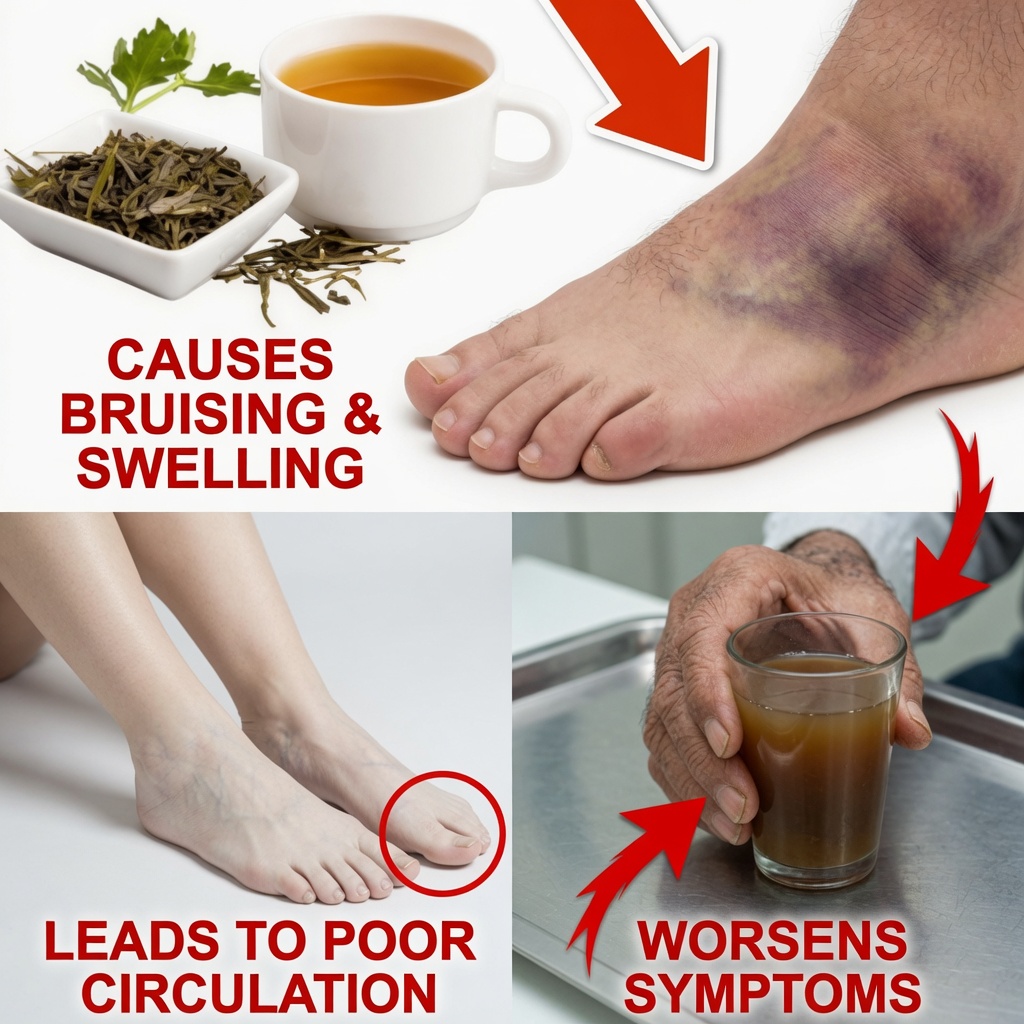
Key Benefits of Parsley Tea
Parsley does more than add freshness to food. It contains antioxidants and important vitamins such as A, C, and K, which support overall wellness. One of its most talked-about features is its natural diuretic effect, meaning it may help the body release extra water by increasing urine output.
By encouraging the removal of excess salt and water, parsley tea may help reduce bloating and swelling, including pressure and puffiness in the lower legs and feet—areas where fluid commonly collects.
How to Make Parsley Tea (Fresh or Dried)
Making parsley tea is quick and beginner-friendly, whether you use fresh herbs or dried parsley.
Ingredients
- A handful of fresh parsley (or 2 tablespoons dried parsley)
- 1 quart (4 cups) water
- Optional: honey or lemon for flavor
Instructions
- Boil the water in a pot.
- Add the parsley once the water reaches a rolling boil.
- If using fresh parsley, rinse it well to remove dirt and potential residues.
- Simmer gently for 5–10 minutes.
- A longer simmer makes a stronger tea.
- Strain the tea to remove the herbs, then pour into a cup.
- Adjust the taste if you like by adding a bit of honey or a squeeze of lemon.
Tips for Drinking Parsley Tea for Fluid Retention
To get the most from parsley tea, keep these practical habits in mind:
- How often: Drink it once or twice daily.
- Best time: Morning or early afternoon works well, since the diuretic effect may lead to more bathroom visits.
- Choose quality: Fresh parsley is ideal when available, but dried parsley can work—just make sure it’s fresh and aromatic.
- Stay hydrated: Because parsley tea may increase urination, drink enough plain water throughout the day.
Precautions and Who Should Be Careful
Parsley tea can be helpful, but it isn’t suitable for everyone. Use extra caution in these situations:
- Kidney conditions or diuretic use: If you have kidney issues or take water pills/diuretics, talk to a healthcare professional before using parsley tea regularly.
- Pregnancy: Avoid large amounts during pregnancy, as parsley may affect hormonal and fluid balance. Seek medical guidance first.
- Medication interactions: Parsley may interact with certain medicines, including blood thinners and diuretics. If you take prescription medication, check with a clinician before adding parsley tea to your routine.
Conclusion
Parsley tea is a simple, natural option that may help reduce swelling in the legs, ankles, and feet by supporting the body’s ability to release excess fluid. While it can be a useful addition to your routine, it should not replace medical care for underlying health problems. If swelling is severe, persistent, or unexplained, it’s safest to seek professional medical advice.