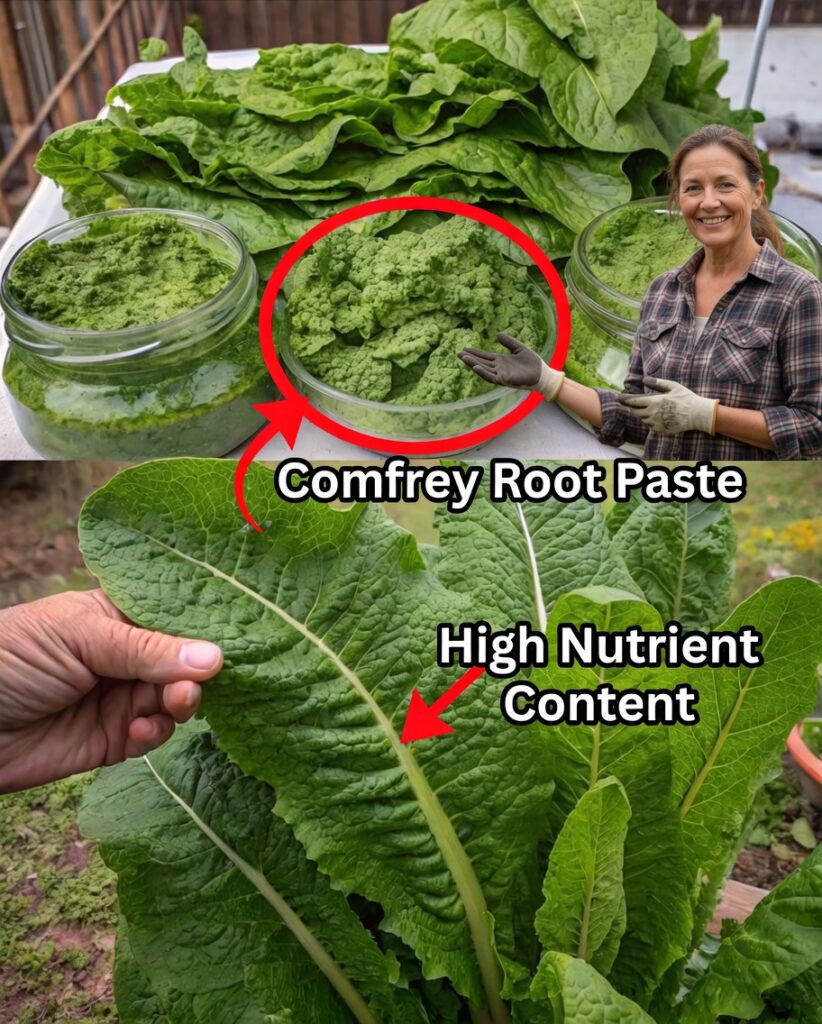
Horseradish Leaves: The Overlooked Green Worth Eating
Most people associate horseradish with its fiery root, but the leaves are just as impressive. Horseradish leaves are nutrient-rich, boldly flavored, and surprisingly versatile in the kitchen. If you enjoy experimenting with leafy greens—or you’re looking for more ways to eat for wellness—these vibrant leaves are worth your attention.
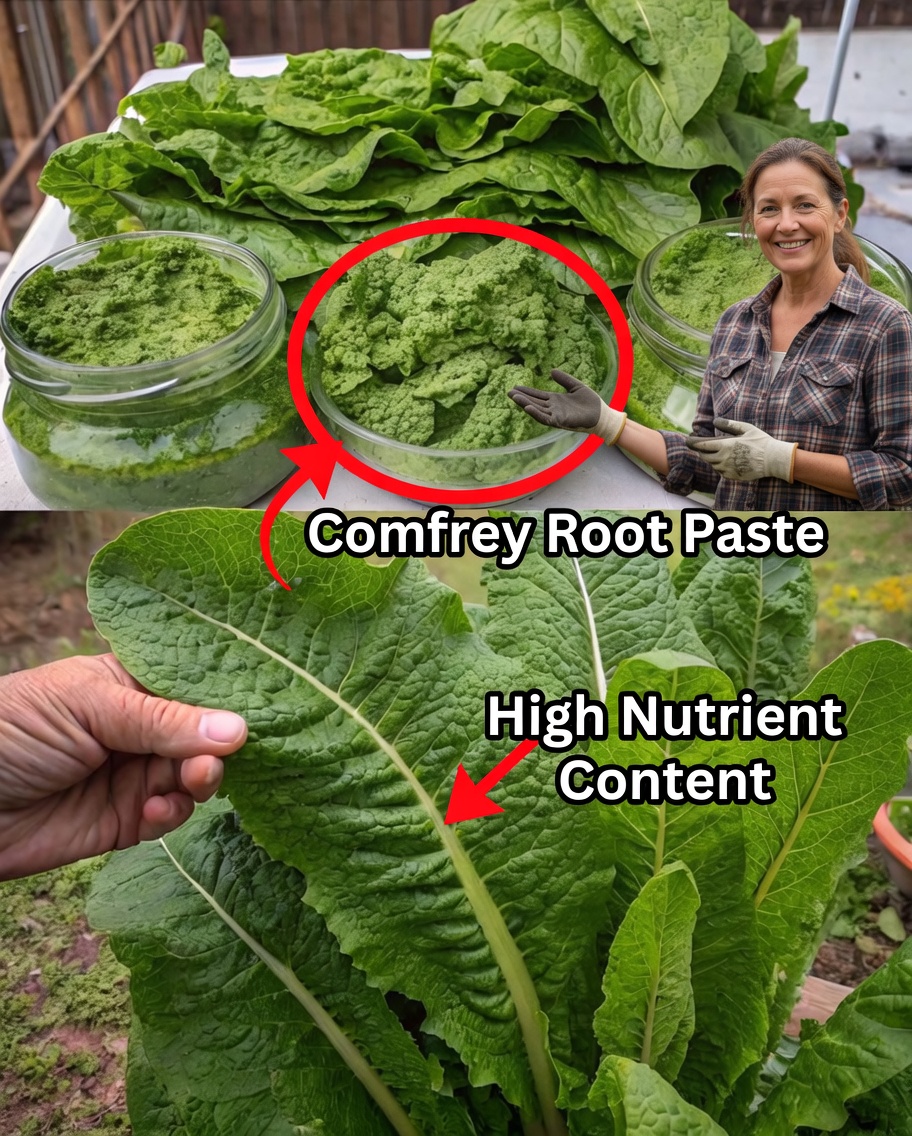
Nutritional and Wellness Benefits of Horseradish Leaves
Horseradish leaves aren’t just decorative greens. They contain a mix of plant compounds, vitamins, and minerals that can support overall health.
1. Anti-Inflammatory and Antioxidant Support
These leaves contain glucosinolates and other protective compounds linked to anti-inflammatory activity and antioxidant effects. Antioxidants help combat free radicals, which may reduce oxidative stress in the body.
2. Packed With Vitamins and Minerals
Horseradish leaves provide several key nutrients, including:
- Vitamin C to support immune function and collagen production
- Calcium and magnesium for bone and muscle health
- Iron to help the body produce healthy red blood cells
- Potassium to support fluid balance and healthy blood pressure
3. May Help Digestion
Like many slightly bitter greens, horseradish leaves can encourage digestive processes. Their mild bitterness may help stimulate bile production, which supports digestion and gut comfort.
4. Natural Detox Support
Horseradish leaves contain sulfur-based compounds that may assist the liver’s natural detox pathways, helping the body process and remove unwanted substances.
Culinary Uses: How to Cook With Horseradish Leaves
In terms of taste, horseradish leaves are peppery and pungent, similar to arugula or mustard greens. Younger leaves are typically milder, while mature leaves can be more intense.
1. Add Them to Fresh Salads
Use small, tender leaves in mixed salads for a gentle heat. They work especially well with citrus-based dressings or bright vinaigrettes.
2. Use as Wraps and Rolls
Large leaves can be used like collard or grape leaves. Fill them with rice, vegetables, legumes, or grilled meat for a fresh, spicy wrap.
3. Stir Into Soups and Stews
Chop and add horseradish leaves to hearty dishes such as lentil soup, bean stews, or root-vegetable soups. They boost both flavor and nutrition.
4. Sauté or Stir-Fry as a Side
Quickly sauté with garlic and olive oil, or toss into a stir-fry to add a sharp, green bite to your meal.
5. Blend Into Pesto or Chimichurri
For a bold twist, replace some basil or parsley with horseradish leaves in pesto or chimichurri. The result is peppery, aromatic, and great with roasted vegetables or grilled proteins.
Harvesting and Storing Horseradish Leaves
To get the best texture and taste, follow these simple tips:
- Choose younger leaves for a more tender bite and milder flavor
- Rinse thoroughly, since greens can hold dirt or grit
- Store in the refrigerator wrapped in a damp towel or sealed in an airtight bag for up to one week
- For longer storage, blanch and freeze the leaves
Safety Notes and Considerations
Horseradish leaves are generally safe as a food, but a few points are worth keeping in mind:
- They contain oxalates, which can be a concern for people with certain kidney conditions; if that applies to you, enjoy them in moderation
- If you’re trying them for the first time, start with a small portion to see how your body responds
Summary: A Nutritious Green With Big Flavor
Horseradish leaves are a true hidden gem—full of nutrients, naturally bold in taste, and easy to use in both raw and cooked recipes. From salads and wraps to soups and sauces, they can bring a fresh, peppery edge to everyday meals while adding valuable vitamins and minerals.