Dutch Ovens Are Built to Last—If You Treat Them Right
Premium Dutch ovens from brands like Le Creuset and Lodge are often marketed as “lifetime” cookware—and they truly can be, provided you follow the right care and heating habits.
A well-made enameled cast iron Dutch oven is one of the most versatile tools in any kitchen. Because it holds and distributes heat exceptionally well, it’s ideal for soups, stews, braises, bread, and one-pot meals—whether you’re cooking on the stovetop or finishing dishes in the oven. Still, correct preheating matters. One viral TikTok incident highlighted what can happen when enameled cast iron is heated the wrong way: the pot appeared to burst on the stovetop, likely due to thermal shock.
What Is Enameled Cast Iron?
Enameled cast iron is traditional cast iron coated with a smooth enamel layer. While Le Creuset is the best-known name in this category, other popular brands include Staub, Lodge, and KitchenAid.
Compared with bare cast iron, enameled cast iron is easier to maintain because:
- It doesn’t need seasoning
- It’s more resistant to rust
- It’s designed to stay functional for decades (or even generations) with proper use
That enamel layer is also the part you must protect. Harsh scrubbers or metal utensils can scratch or chip the coating. Even more importantly, sudden and extreme temperature changes can trigger thermal shock, which may crack the enamel—or in severe cases, cause the pot to rupture.
Can You Preheat an Enameled Cast Iron Dutch Oven?
Yes—preheating enameled cast iron is safe as long as you do it the right way. Lodge, for example, recommends two reliable approaches:
-
Preheat in the oven (dry and empty).
Oven heat is indirect and more evenly distributed, so the pot warms gradually and consistently. -
Preheat on the stovetop with a small amount of liquid or oil.
Add enough water or oil to coat the bottom of the Dutch oven. Start on low heat, then slowly increase the temperature.
If you choose the stovetop method, avoid jumping straight to high heat. The goal is steady warming, not a fast blast of concentrated heat.
What Happens If You Preheat an Empty Dutch Oven on the Stovetop?
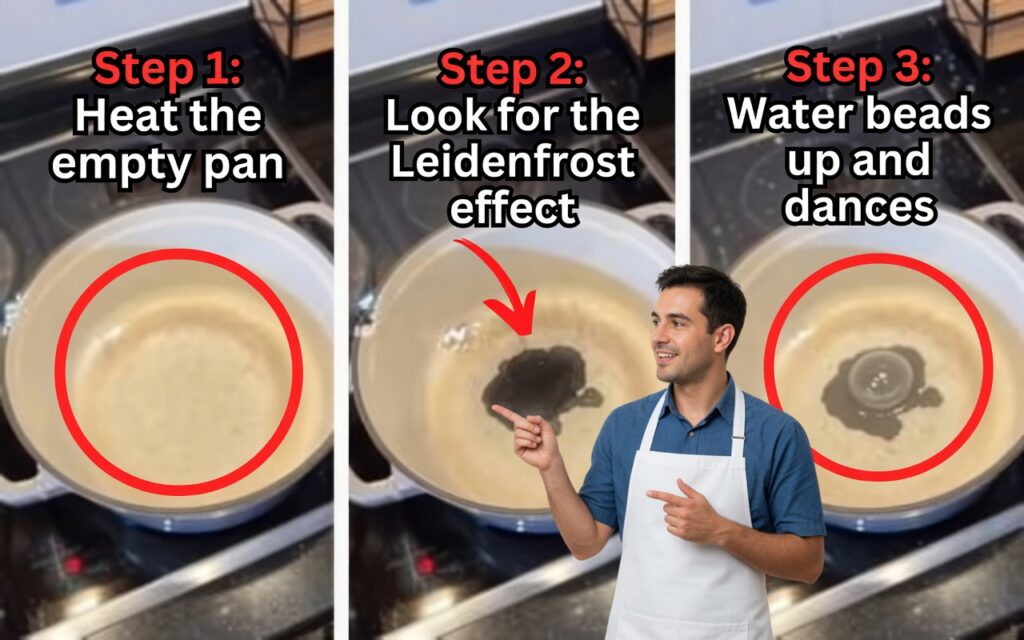
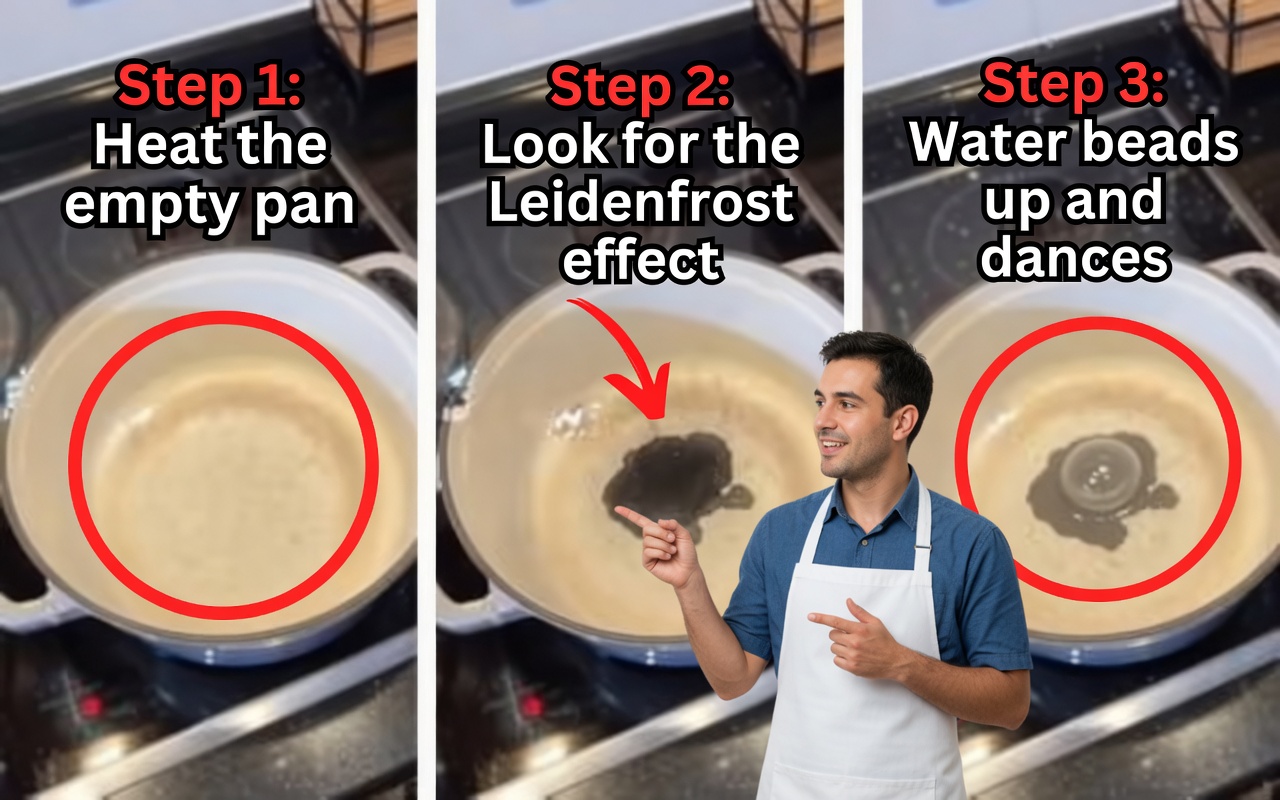
The TikTok mishap likely happened because the Dutch oven was heated empty over high stovetop heat. Stovetop burners—gas or electric—produce intense, direct heat in a concentrated area. When an empty enameled cast iron pot heats too quickly, the rapid temperature difference can cause thermal shock, which can damage the enamel and potentially crack the cookware.
Adding liquid to the base reduces the risk because it helps spread heat more evenly. Likewise, starting low and increasing gradually gives the cookware time to warm up safely.
The Takeaway: Avoid the Common Mistakes
The viral incident served as a helpful reminder for home cooks: enameled cast iron is durable, but it isn’t indestructible. Use gentle tools, avoid abrasive cleaning, and most importantly, preheat correctly—especially on the stovetop—to keep your Dutch oven safe and performing like new for years.