Keep Warm in Winter: Cut Heating Bills with PVC Windows
As outdoor temperatures drop, cold air can slip into your home surprisingly fast—especially through poorly adjusted windows. One major reason PVC windows have gained popularity is their built-in ability to improve insulation. When used correctly, they can help reduce heat loss, lower energy consumption, and ultimately decrease heating costs during the cold season.
Practical Ways to Reduce Heating Consumption
Before changing anything in your windows, it’s worth optimizing everyday heating habits:
- Keep radiators unobstructed: Don’t cover them with curtains or block them with furniture, as this limits heat circulation.
- Ventilate properly: Air out rooms briefly and effectively, ideally after turning the radiator valve down to avoid wasting heat.
- Use thermostats: Installing radiator thermostats helps maintain stable indoor temperatures and prevents overheating.
- Avoid maximum settings: Running radiators at full power is rarely efficient—steady, moderate heating usually costs less.
Good habits make a difference, but sealing windows and doors can have an even bigger impact—especially if you use a lesser-known adjustment feature found in many PVC window systems.
How Windows Can Lower Excessive Heating Costs
Even modern windows can allow drafts if they aren’t adjusted for the season. Many PVC windows include a seasonal pressure setting that changes how tightly the sash presses against the frame. In winter, this tighter seal helps block cold air and improves insulation against outdoor temperatures.
How to Switch PVC Windows to Winter Mode
Setting winter mode on PVC windows is usually simple and only takes a few minutes:
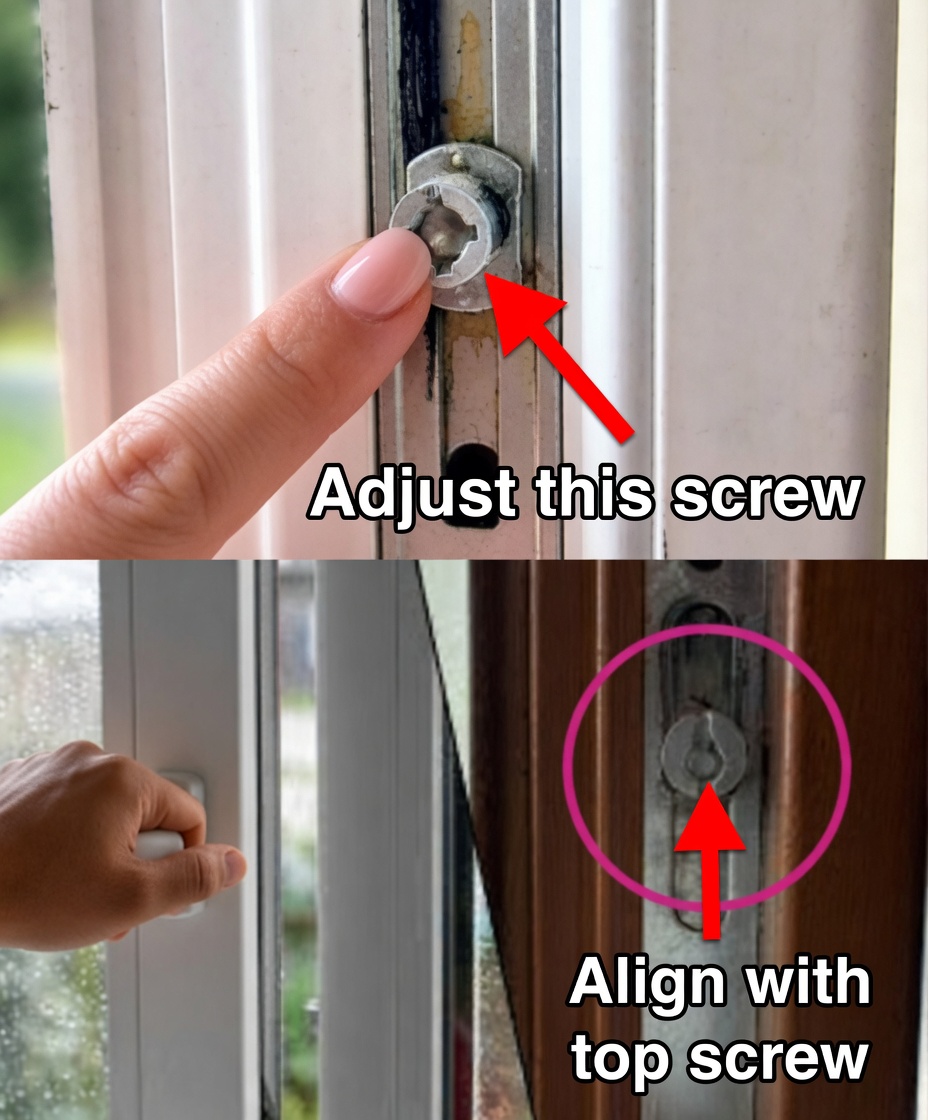
- Open the window and look along the side of the movable sash.
- Find the adjustment roller (often a small, visible metal pin in the hardware).
- Turn the roller/pin about 90 degrees to increase pressure and tighten the seal.
Depending on the model, you can adjust it:
- by hand,
- using pliers,
- with a screwdriver,
- or with a special adjustment key.
In some designs, the mechanism must be pulled slightly toward you before turning, then rotated into position.
When temperatures rise again, reverse the process to return the window to summer mode.
What Winter Mode Actually Does (Pros and Cons)
Winter mode works by pressing the rubber seal more firmly against the window frame. The benefit is clear: less cold air enters the home, which can noticeably reduce heat loss.
However, there are trade-offs:
- A tighter seal means less natural air exchange indoors.
- Proper ventilation is still important for comfort and can help reduce issues linked to poor air circulation, including allergy triggers.
Don’t Forget to Switch Back in Summer
Seasonal adjustment only works well when used correctly. Keeping windows in strong winter pressure all year can cause the rubber gasket to wear out faster. Over time, the seal may harden or deform, and homeowners often end up needing a replacement after just a few years.
This wear usually happens because the sash is not returned to summer mode after winter, even though manufacturers typically recommend reducing the clamp pressure once the cold season ends.
Final Tips to Cut Heating Costs in Winter
To reduce winter heating bills effectively:
- heat smartly and avoid blocking radiators,
- ventilate efficiently,
- improve insulation by sealing doors and windows,
- and use the winter mode feature on PVC windows—then switch back when the weather warms.
These simple steps help you stay comfortable while using energy more efficiently throughout the cold months.