Carob: The Unsung Superfood Beyond Cocoa
While cocoa often takes the spotlight, carob has been steadily gaining attention in the health and wellness space. Made from the pods of the Ceratonia siliqua (carob) tree, this naturally sweet ingredient is becoming a favorite for people who want a caffeine-free chocolate alternative without sacrificing flavor.
Traditionally grown around the Mediterranean, carob stands out for its nutritional value, versatile kitchen uses, and eco-friendly farming benefits. It offers a rich, chocolate-like taste—yet it’s naturally sweet, gentle on the body, and aligned with a more sustainable lifestyle.
What Is Carob?
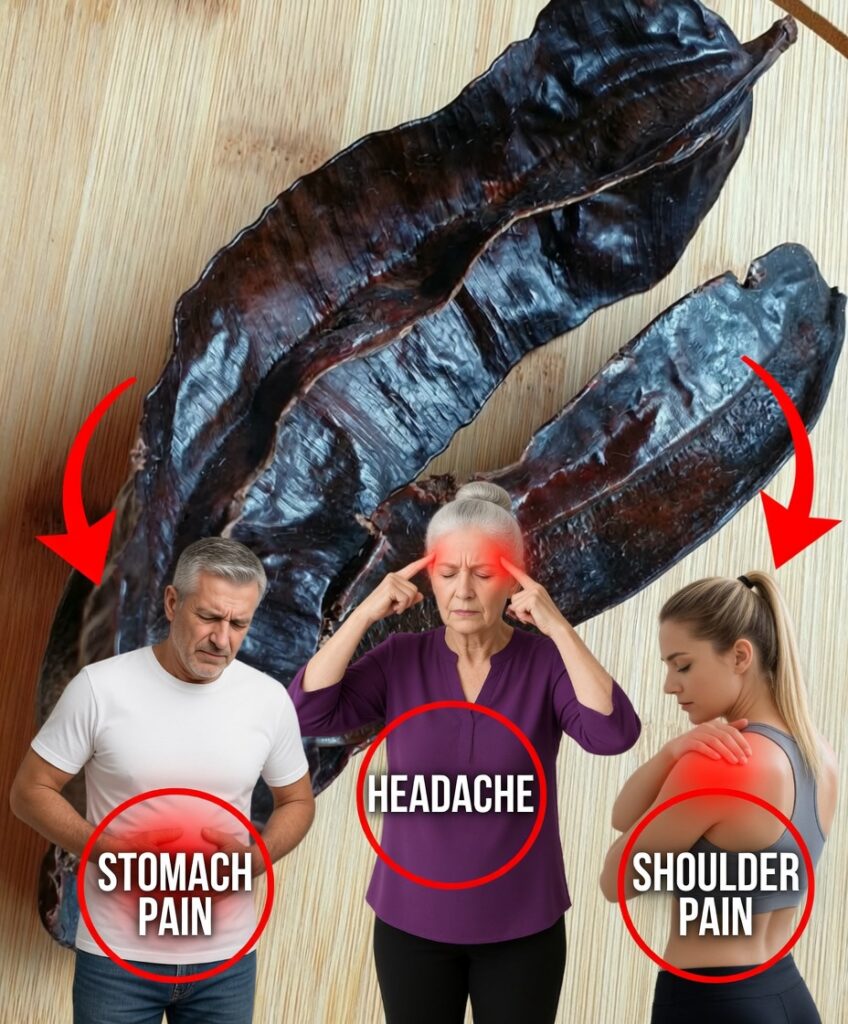
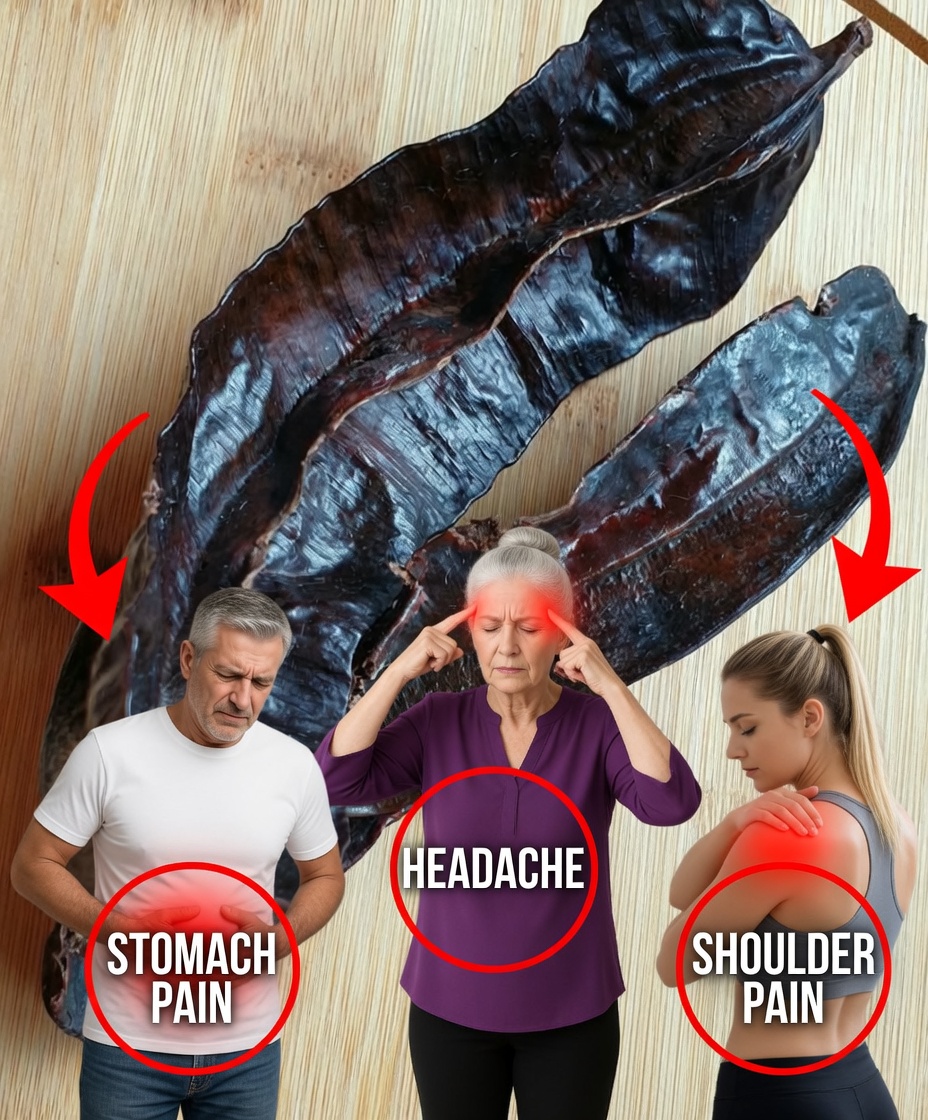
Carob comes from an evergreen tree that produces long, sturdy brown pods filled with edible pulp and seeds. After harvesting, the pods are dried and turned into common forms such as:
- Carob powder
- Carob chips
- Carob syrup
In many Mediterranean cultures, carob has long been used in desserts and drinks as a natural sweetener. Today, it’s returning to modern diets as a healthier cocoa substitute, especially for people who prefer to avoid caffeine or theobromine (a stimulant found in chocolate).
Why Choose Carob?
Carob is more than a replacement for chocolate—it’s a functional food with multiple advantages for everyday eating.
Naturally Sweet, Lower in Calories, and Gluten-Free
One of carob’s biggest strengths is its natural sweetness, which can reduce the need for added sugars in recipes. Compared with many chocolate products, carob is typically:
- Lower in fat
- Lower in calories
- Naturally gluten-free
That makes it a practical option for people focused on balanced eating, weight goals, or gluten-sensitive diets.
A Valuable Source of Vitamins and Minerals
Carob provides a range of nutrients that support overall well-being, including:
- Vitamin A, important for vision and immune support
- Vitamin C, an antioxidant that supports immunity and collagen production
- Key minerals such as calcium, potassium, magnesium, and iron, which contribute to bone strength, muscle function, and cardiovascular health
Key Health Benefits of Carob
High in Dietary Fiber for Digestion and Heart Health
Carob is known for being fiber-rich, which supports healthy digestion and more regular bowel movements. A diet with adequate fiber may also help:
- Support a balanced gut microbiome
- Assist in stabilizing blood sugar
- Reduce LDL (“bad”) cholesterol
- Promote cardiovascular wellness
This makes carob a smart addition for those building a heart-healthy or blood-sugar-friendly eating plan.
Completely Caffeine-Free
Unlike cocoa and chocolate, carob contains no caffeine. That’s helpful for anyone who is sensitive to stimulants, including:
- Children
- Pregnant women (as advised by a healthcare professional)
- People managing anxiety, sleep issues, or caffeine sensitivity
You still get a comforting, roasted flavor—without jitters or energy crashes.
Rich in Antioxidants
Carob contains antioxidants such as polyphenols and flavonoids, which help protect cells from oxidative stress. Antioxidant-rich foods are often linked to better long-term health by supporting the body’s defenses against inflammation and chronic disease risks.
Helpful for Weight Management
Thanks to its high fiber content and naturally sweet taste, carob can support appetite control by helping you feel full longer. It can also satisfy sweet cravings in a way that may be easier to manage than high-sugar snacks that trigger sharp spikes and crashes in blood sugar.
Culinary Uses: How to Eat Carob Every Day
Carob fits easily into both sweet and everyday recipes. Its flavor is naturally caramel-like and pairs well with nuts, fruit, dairy, and plant-based alternatives.
- Carob powder: Stir into smoothies, oatmeal, or baking recipes (cookies, cakes, brownies) as a cocoa alternative.
- Carob chips: Mix into muffins, pancakes, granola, or homemade snack bars.
- Carob syrup: Drizzle over yogurt, waffles, or fruit, or use as a natural sweetener in drinks and desserts.
- Smoothies: Blend carob powder with milk (or plant milk), banana, and ice for a creamy, chocolate-style drink—without caffeine.
Sustainable Benefits of Carob
Carob isn’t only good for your diet—it’s also a smart crop for the planet. Carob trees are naturally resilient and well-suited for challenging climates because they are:
- Drought-tolerant
- Able to grow in poor soil
- Low water crops compared with many alternatives
They can also help reduce soil erosion, supporting healthier land in arid and semi-arid regions. In many cases, carob cultivation requires fewer chemical inputs, making it a strong choice for those who care about eco-friendly agriculture and reducing environmental impact.
Easy Homemade Carob Ideas
Carob can be used in simple DIY recipes—both in the kitchen and even in skincare routines.
Carob “Hot Chocolate”
Mix carob powder into warm milk (or plant milk). Add cinnamon, then sweeten lightly with honey or agave if desired.
No-Bake Carob Energy Bars
Combine oats, nuts, dried fruit, and carob powder. Press into a pan, chill, and slice for an on-the-go snack.
Creamy Carob Ice Cream (Dairy-Free)
Blend frozen bananas, almond milk, carob powder, and a little vanilla for a smooth, naturally sweet dessert.
Homemade Carob Syrup
Simmer carob pods in water with a natural sweetener (such as honey or agave), then strain and reduce to a syrup for desserts and drinks.
Carob Face Mask
Mix carob powder with honey and yogurt to create a skin-soothing mask that helps cleanse and hydrate while delivering antioxidant support.
Final Thoughts: Carob Is More Than a Chocolate Substitute
Carob deserves recognition as a nutrient-dense, caffeine-free superfood with impressive versatility. Whether you want a healthier way to enjoy sweet flavors, increase fiber intake, support weight goals, or make more sustainable food choices, carob is a practical and delicious option.
Add carob powder, chips, or syrup to your routine and enjoy a rich, chocolate-like experience—without the caffeine, and with benefits that go far beyond taste.