High in Fiber and Vitamin C: This Root Can Support Recovery—But Are You Preparing It Correctly?
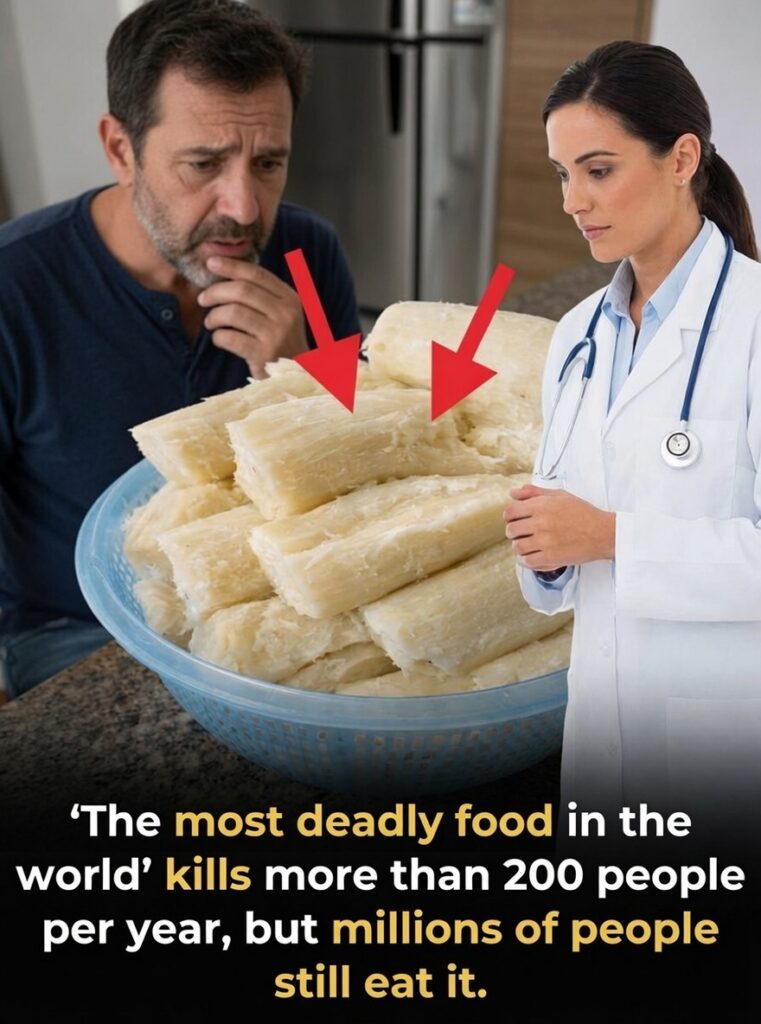
Every year, a staple food found on the tables of millions of families worldwide is linked to more than 200 deaths, according to health authorities. It’s a widely grown root crop that sustains communities in places where few other plants can thrive. Yet when it isn’t handled properly, its natural compounds can turn into a serious health hazard.
This becomes even more alarming in areas facing food insecurity, where hunger may force people to prepare meals quickly—sometimes skipping critical steps that remove hidden toxins. The encouraging news is that proven, traditional methods (also supported by science) can make this food completely safe and highly nourishing. Below, you’ll learn the truth behind the label “the world’s deadliest food” and exactly how to eat it without risk.
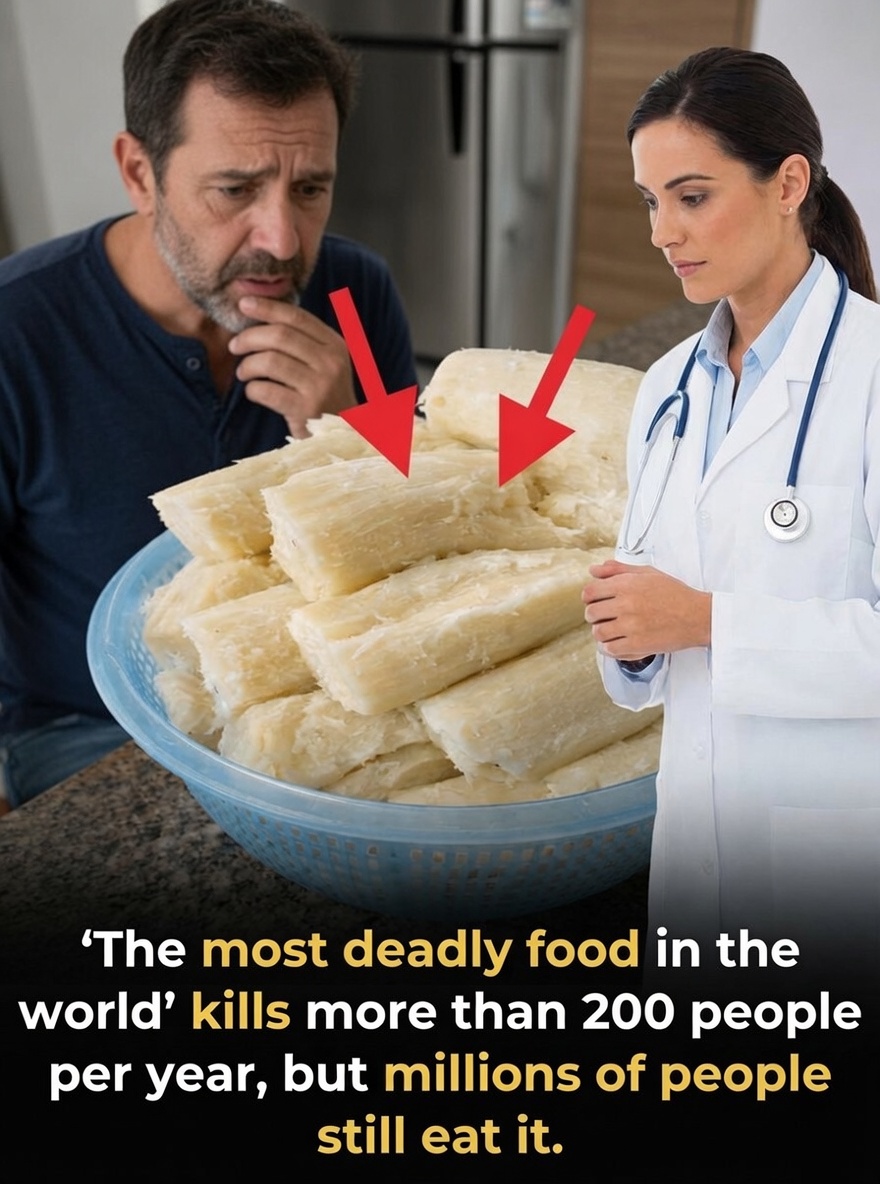
What Is Cassava, and Why Is It Called “The World’s Deadliest Food”?
Cassava (also known in different regions as yuca) is a starchy root originally from South America. Today it’s widely cultivated across tropical parts of Africa, Asia, and Latin America. Farmers value it because it tolerates drought, grows in poor soils, and produces reliable yields when other crops fail.
The frightening nickname comes from cassava’s built-in plant defense. When the root is processed incorrectly, it can release hydrogen cyanide, a highly toxic substance.
Even so, cassava isn’t something you need to avoid altogether. For centuries, entire populations have eaten cassava safely. The danger appears mainly when essential preparation steps are ignored—especially in crisis situations.
The Hidden Toxin in Cassava
Cassava contains cyanogenic glycosides. When the root is peeled, chopped, grated, or chewed, a chemical reaction can occur that leads to the release of cyanide.
Small amounts consumed repeatedly may build up in the body, particularly when diets are low in protein. Protein supports the body’s natural detox processes, so limited access to protein can increase vulnerability.
The Numbers That Show the Real Risk
The World Health Organization (WHO) estimates that around 200 deaths per year are connected to improperly prepared cassava. In addition, many more people develop chronic health problems, including konzo—a neurological condition that can cause permanent paralysis of the legs.
At the same time, cassava remains a daily food for roughly 500 million people worldwide. That contrast highlights an important truth: the main issue is not the root itself, but how it is prepared, especially during famine, displacement, or conflict.
Why So Many People Still Rely on Cassava
Cassava remains essential because it is:
- Resilient in harsh climates
- Affordable and widely available
- A fast source of energy due to its starch content
Across different cultures, cassava is turned into popular foods such as tapioca, cassava flour, fufu, or garri. When properly processed, it can also contribute useful nutrients, including:
- Vitamin C
- Dietary fiber
- Resistant starch, which may support gut health
Symptoms of Cassava Poisoning
Acute cassava toxicity can cause:
- Headache
- Nausea and vomiting
- Dizziness
- Rapid breathing
- In severe cases: seizures or loss of consciousness
Long-term exposure (from frequent intake without proper processing) may lead to:
- Persistent fatigue
- Neurological damage
- Weakness or paralysis
The key takeaway: these outcomes are almost entirely preventable with correct preparation.
How to Prepare Cassava Safely (Step by Step)
Traditional processing methods can remove up to 99% of cassava’s toxins. Use this practical checklist:
-
Peel thoroughly
Remove all peel and outer fibrous layers, which can contain higher toxin levels. -
Cut into small pieces
Smaller pieces help toxins release more effectively. -
Soak in clean water
- Soak for 24 to 48 hours
- For more bitter varieties, soak up to 72 hours
- Change the water several times if possible
-
Ferment or grate (optional but helpful)
These steps can further improve safety by accelerating toxin reduction. -
Cook completely
Boil, bake, or fry until the cassava is fully soft and cooked through.
For cassava flour: a common safer approach is the “hydration method”—mix the flour with water, let it rest for a few hours, then cook thoroughly.
Tips for Healthier Cassava Consumption
To reduce risk and improve nutrition:
- Pair cassava with protein-rich foods such as beans, fish, eggs, or peanuts. Protein helps the body neutralize potential toxin residues.
- Avoid relying on cassava as your only major food source—diet variety matters.
- Choose fresh, firm roots without dark spots, mold, or unusual odors.
Conclusion
Cassava proves that a food with a dangerous reputation can still be safe, nutritious, and life-sustaining when prepared with knowledge and care. Millions of people depend on it every day and stay healthy thanks to proper processing traditions.
With the right steps, you can confidently make cassava a safe and nourishing option for your household.
Frequently Asked Questions
Is store-bought cassava safe?
Yes. Cassava sold in markets is often a milder variety, and when it is fully peeled and thoroughly cooked, it is generally safe to eat.
Can I get poisoned from eating cassava just once?
It’s uncommon—especially if the cassava is prepared correctly. The greatest risk usually comes from repeated consumption of cassava that was not properly processed.
What should I do if I suspect cassava poisoning?
Seek medical help immediately if you experience symptoms such as dizziness, nausea, vomiting, or breathing difficulty.
Disclaimer: This content is for informational purposes only and does not replace medical advice. Always consult a qualified health professional before making dietary changes, especially if you have concerns about food safety.