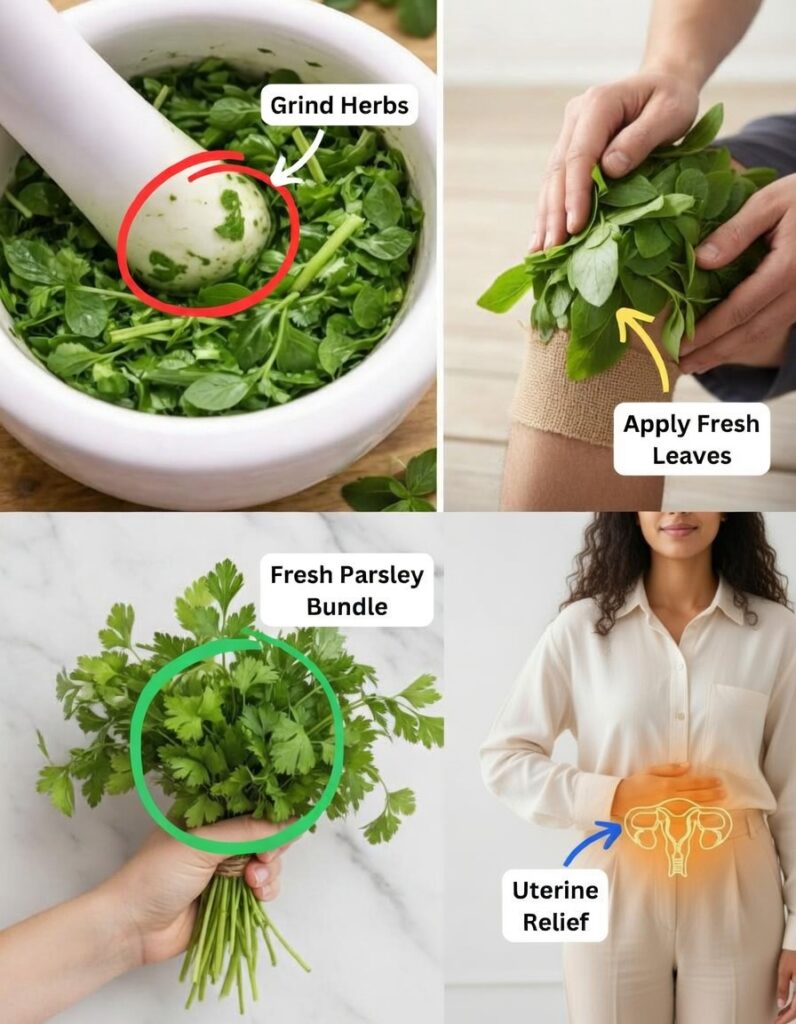
Euphorbia hirta: A Traditional Herb with a Strong Flavor and Long History
Some wild plants, long used in folk traditions, are now being rediscovered for their intense taste and their place in natural wellness and cooking. One of these is Euphorbia hirta, often referred to as asthma herb, which holds a special position in many traditional cultures.
When people say it is “more flavorful than meat,” they are highlighting its strong, green, herbal taste and the way it enhances certain traditional dishes. This expression does not mean that Euphorbia hirta is a nutritional substitute for meat.
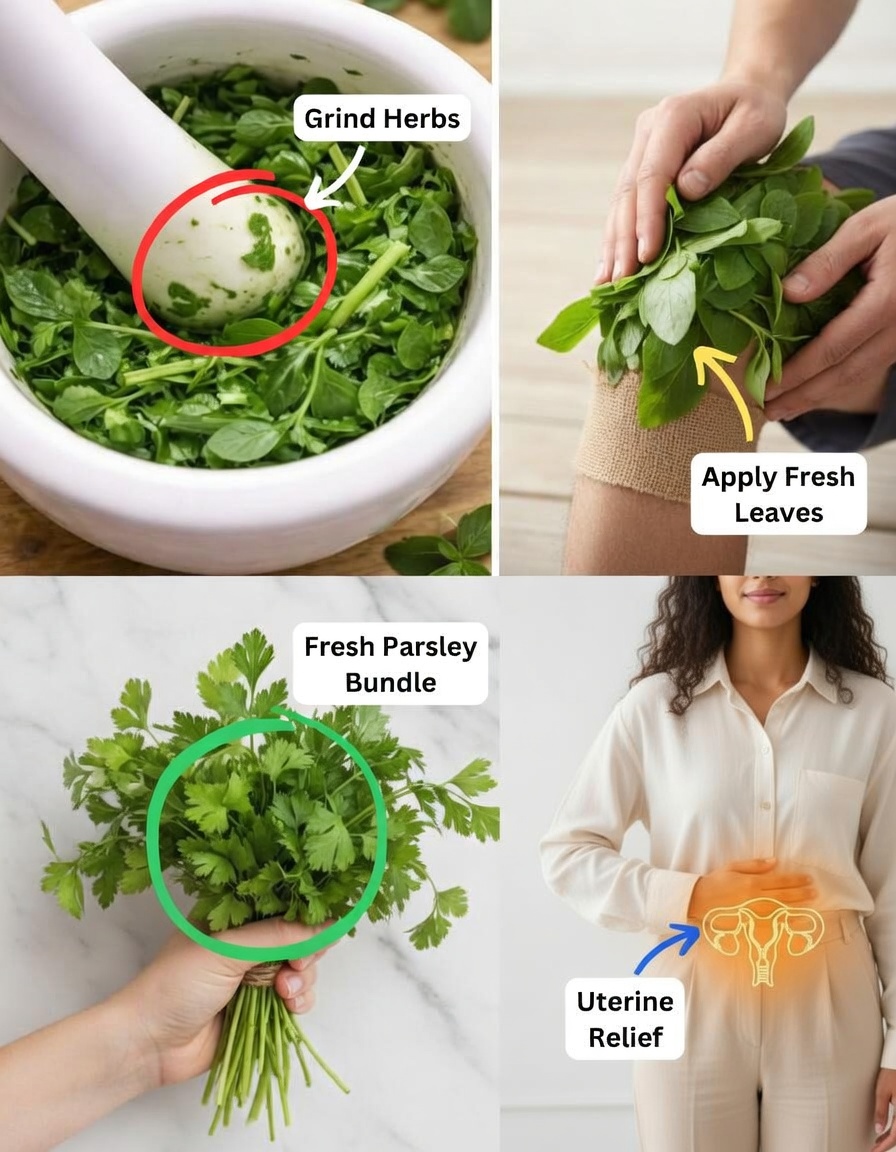
Why Euphorbia hirta Deserves a Spot in Your Garden
A hardy, spontaneous plant, Euphorbia hirta has been used for generations in different parts of the world for its traditional culinary and wellness roles.
1. An Intense Herbal Flavor
Used in small amounts in some traditional recipes, Euphorbia hirta provides a powerful grassy, herbaceous note that can give depth and character to very simple dishes. Its taste is pronounced, so it is typically used sparingly.
2. Easy to Grow and Low Maintenance
This plant thrives in warm climates, needs very little care, and can grow even in poor or modest soils. It is suitable for:
- Home gardens
- Small plots
- Containers and pots
This makes it accessible to many people, even with limited space or resources.
3. Traditional Digestive Use
In various traditional medicine systems, Euphorbia hirta has been used to support digestion and intestinal comfort, often:
- As a light herbal infusion (tea)
- In small, occasional amounts
These uses are part of folk practices and should not be confused with medical treatments.
4. Traditional Interest for Respiratory Comfort
Historically, Euphorbia hirta has also been associated with respiratory well-being, which explains some of its popular names related to breathing or asthma in different cultures. These are traditional uses, not medical claims.
5. Rich in Plant Compounds
Euphorbia hirta naturally contains:
- Flavonoids
- Tannins
- Phenolic compounds
These families of compounds are widely studied for their antioxidant properties when included as part of a varied and balanced diet.
6. Versatile Traditional Uses
In traditional practices, Euphorbia hirta can be used in several ways, always in moderate quantities:
- As an infusion (tea)
- As a decoction
- Occasionally added to certain local culinary preparations
Its strong taste and presence of latex mean it is never used in large amounts.
7. A Local and Affordable Plant
Growing Euphorbia hirta allows you to access a traditional plant directly from your garden, without industrial processing. It can help:
- Maintain and respect ancestral knowledge
- Promote local natural resources
- Reduce reliance on commercially transformed products
Example of a Traditional Use: Light Infusion
Ingredients
- A few dried leaves of Euphorbia hirta
- 250 ml of hot water
Preparation
- Place the dried leaves in a cup or teapot.
- Pour 250 ml of hot water over them.
- Let steep for 5 to 7 minutes.
- Strain before drinking.
This type of infusion is traditionally consumed occasionally, not on a continuous or excessive basis.
Important Safety Precautions
Euphorbia hirta must be handled and used with care:
- The plant contains a milky latex, which requires cautious use.
- Never consume large quantities.
- Not recommended for pregnant women or children.
- Does not replace any medical treatment or professional healthcare.
- In case of doubt, always seek advice from a qualified healthcare professional before using it.
In Summary
Euphorbia hirta is a traditional herb with a distinct, intense flavor and a long history of use in various cultures. It is not a miracle cure or a staple food, but it can:
- Add a unique aromatic touch to certain recipes
- Be included in a careful, moderate, nature-inspired approach to wellness
When used responsibly and in small amounts, Euphorbia hirta can be an interesting addition to a garden and to traditional herbal practices—always with respect for safety guidelines and professional medical advice.