Vitamin E and Swollen Legs or Feet: What It May Mean and How It Can Help
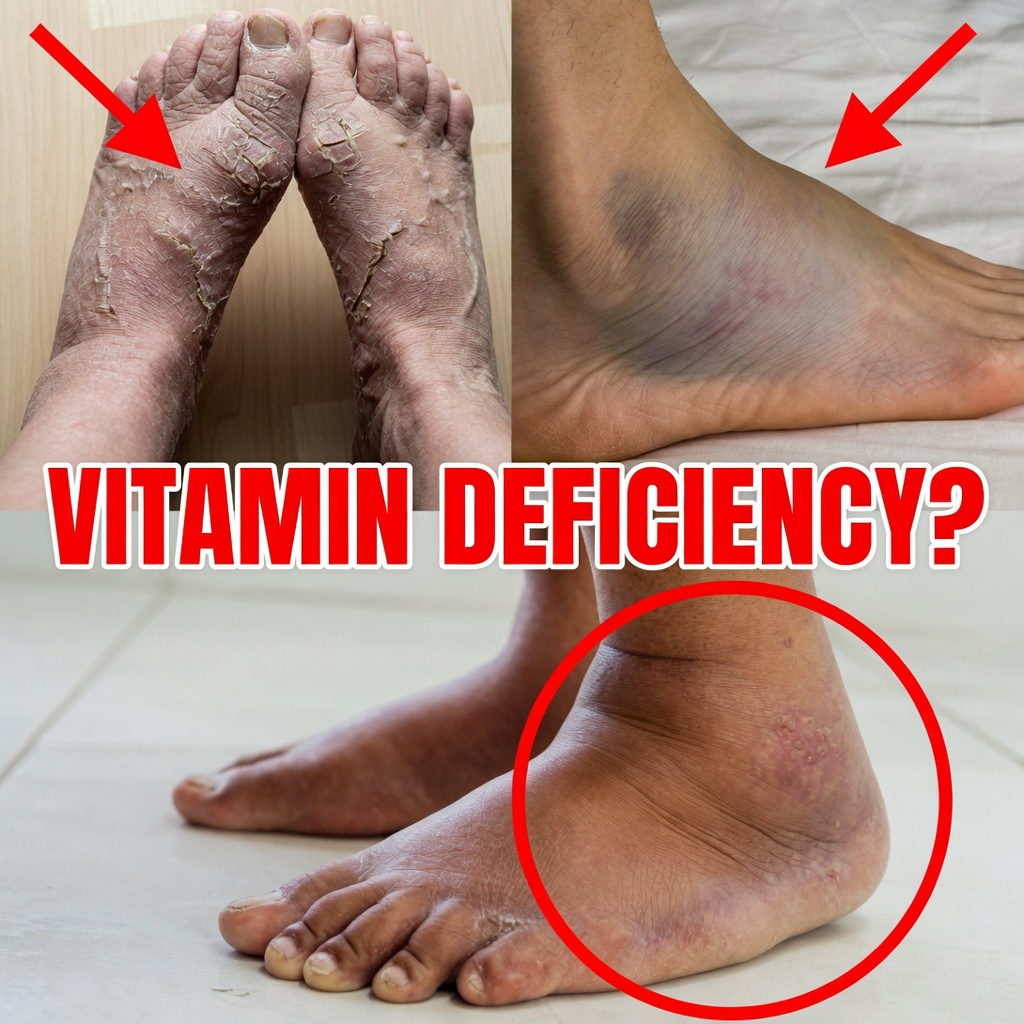
Swelling in the legs, ankles, or feet can be a sign that your body is dealing with inflammation or retaining excess fluid. In some cases, vitamin E—known for its antioxidant and anti-inflammatory effects—may help reduce edema in a natural, supportive way.
How Vitamin E May Reduce Swelling
1. Helps Calm Inflammation
Vitamin E works as a natural anti-inflammatory nutrient, which may help ease swelling in tissues and blood vessels when inflammation is a contributing factor.
2. Supports Better Circulation
Poor blood flow can cause fluid to pool in the lower legs and feet. By helping promote healthier circulation, vitamin E may reduce fluid buildup in the extremities.
3. May Help Limit Fluid Retention
Vitamin E supports the body’s balance of key minerals such as sodium (salt) and potassium, which can influence how much water the body holds. Better balance may mean less unnecessary water retention.
4. Strengthens Blood Vessel Function
Over time, vitamin E may help maintain strong, flexible blood vessel walls. This can support smoother fluid movement through the circulatory system and may contribute to reduced edema.
Natural Sources of Vitamin E
Vitamin E is available through both food and supplements. Common dietary sources include:
- Nuts and seeds: almonds, hazelnuts, sunflower seeds
- Plant-based oils: olive oil, sunflower oil, wheat germ oil
- Leafy green vegetables: spinach, kale, broccoli
- Fruits: avocado, kiwi
How to Use Vitamin E for Swelling
Get Vitamin E Through Food
For lasting benefits, include vitamin E-rich foods as part of your everyday diet.
Consider Vitamin E Supplements (If Needed)
If your diet is low in vitamin E, supplements may be an option. Adults commonly take 15–30 mg per day, but the right dose can vary—check with your doctor for guidance.
Try Topical Vitamin E
Applying vitamin E oil or a vitamin E cream and gently massaging the swollen area may help with localized swelling and support circulation.
Additional Ways to Reduce Leg and Foot Swelling
- Drink enough water to help reduce water retention
- Elevate your legs to encourage better blood flow
- Reduce salt intake, since sodium can increase fluid retention
- Stay active and avoid sitting or standing in one position for long periods
When to See a Doctor
Contact a healthcare professional if swelling persists or worsens, or if it occurs along with symptoms such as:
- pain or tenderness
- redness or warmth
- shortness of breath (dyspnea)
These signs may indicate a more serious medical issue that needs prompt evaluation.