Chewing Cloves Daily: A Simple Natural Habit for Better Oral Health
Have you ever thought that a small, fragrant spice could support your teeth and gums? If you want a natural way to improve oral hygiene, chewing cloves daily may be a helpful addition to your routine. Cloves contain powerful plant compounds that can contribute to cleaner teeth, healthier gums, and fresher breath.
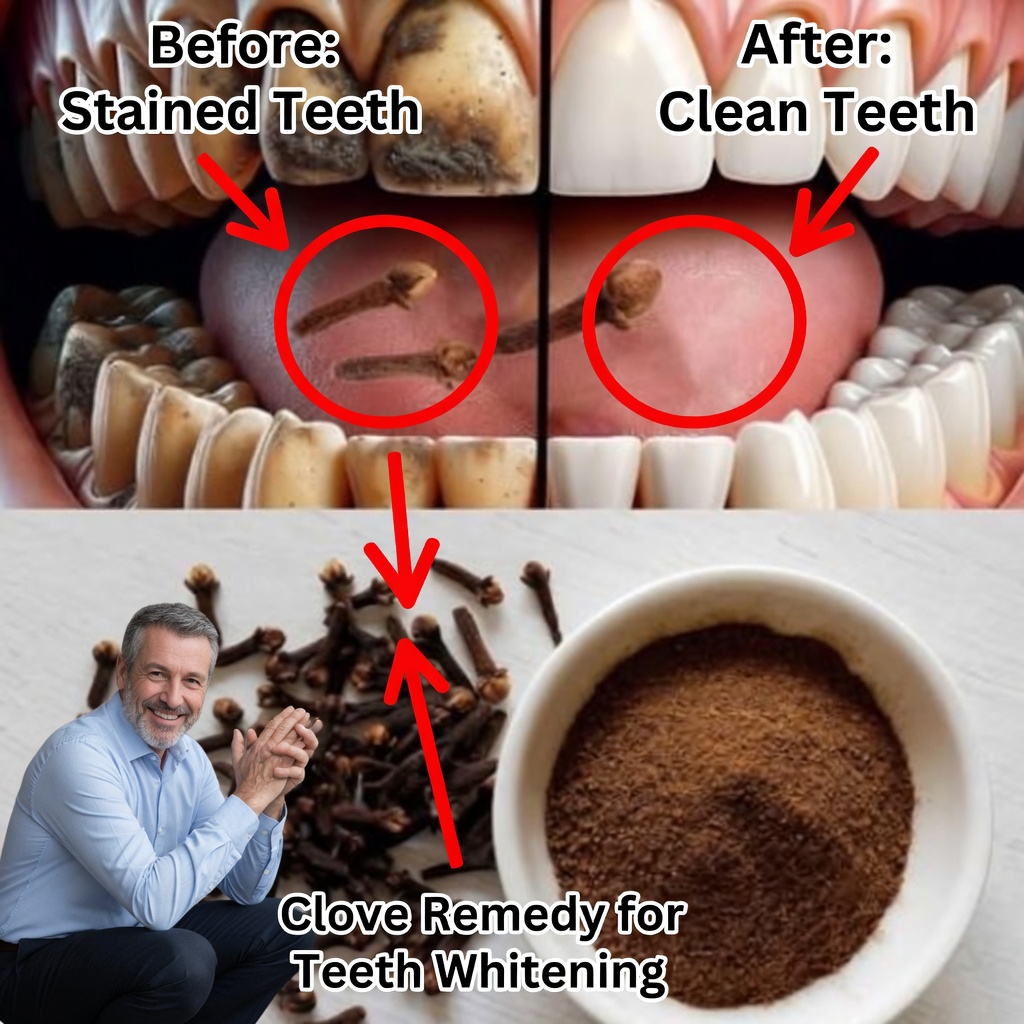
The Oral Care Benefits of Chewing Cloves Daily
Cloves are rich in antioxidants and antibacterial compounds, including the well-known active ingredient eugenol. Used consistently, they can support everyday dental care and help protect the mouth from common issues.
Helps Fight Tooth Decay and Cavities
One of the biggest oral health benefits of cloves is their ability to combat bacteria. Eugenol has natural antibacterial properties that may help reduce the harmful microbes linked to plaque buildup, tooth decay, and cavities. Chewing a clove can also encourage saliva flow, which helps rinse away food debris.
Supports Gum Health and Reduces Inflammation
Swollen or irritated gums can worsen over time if ignored. Cloves contain compounds with anti-inflammatory effects that may help calm sensitive gum tissue, ease swelling, and support healthier gums when used regularly.
Freshens Breath Naturally
Cloves work like a natural mouth refresher. Their antiseptic qualities can help reduce odor-causing bacteria, while increased saliva production helps keep the mouth cleaner. The result is a fresher feeling and better breath without relying only on strong artificial flavors.
Cloves for Toothache Relief: Natural Pain Support
Cloves have a long history of use in traditional oral care, especially for occasional tooth discomfort. They don’t replace dental treatment, but they may provide short-term comfort.
Natural Numbing Effect
The eugenol in cloves is known for mild anesthetic properties. Chewing a clove (or using properly diluted clove oil) may help temporarily numb sensitive areas and reduce toothache discomfort.
May Ease Tooth Sensitivity
If hot or cold foods trigger discomfort, clove use may help soothe the nerves over time. Some people find that consistent, gentle use reduces daily sensitivity and makes eating more comfortable.
DIY Clove Remedies for Oral Care
Beyond chewing whole cloves, you can also try simple home methods that use cloves to support dental hygiene.
Clove and Coconut Oil Toothpaste (Homemade)
Ingredients
- 2 tablespoons coconut oil
- 1 tablespoon baking soda
- 1 teaspoon ground cloves
Instructions
- Combine coconut oil, baking soda, and ground cloves in a bowl.
- Mix until a smooth paste forms.
- Brush gently for about 2 minutes.
- Rinse well with water.
This DIY toothpaste can help cleanse the mouth, reduce bacteria, and support gum comfort.
Clove-Infused Mouthwash
Ingredients
- 1 cup warm water
- 5–6 whole cloves
- 1 tablespoon honey (optional)
Instructions
- Warm the water and add the cloves.
- Let the cloves steep for about 10 minutes.
- Strain and allow the liquid to cool to room temperature.
- Stir in honey if you prefer.
- Swish for 30 seconds, then spit out.
This natural rinse may help freshen breath, calm gums, and reduce oral bacteria.
Diluted Clove Oil for Toothache Comfort
Ingredients
- 5–6 drops clove essential oil
- 1 tablespoon olive oil
Instructions
- Mix clove essential oil into olive oil to dilute it.
- Dab a small amount onto the affected area with a cotton ball.
- Leave in place for 15–20 minutes for temporary relief.
Dilution is important to help prevent irritation and make the application gentler.
Why Chewing Cloves Daily Can Be a Holistic Oral Care Option
Adding cloves to your routine can be an easy way to support oral wellness—especially when paired with brushing, flossing, and regular dental checkups.
A Natural, Chemical-Free Alternative
Many commercial oral care products contain artificial ingredients. Cloves offer a plant-based option that supports oral hygiene with naturally occurring compounds.
Affordable and Easy to Use
Cloves are widely available, inexpensive, and simple to include in daily habits—no complicated steps required.
Disclaimer
Before changing your oral care routine, speak with a qualified healthcare professional. This content is for informational purposes only and is not a substitute for professional medical or dental advice.