White Spots on the Skin Can Fade Naturally — Here’s the Simple Approach Helping Many People
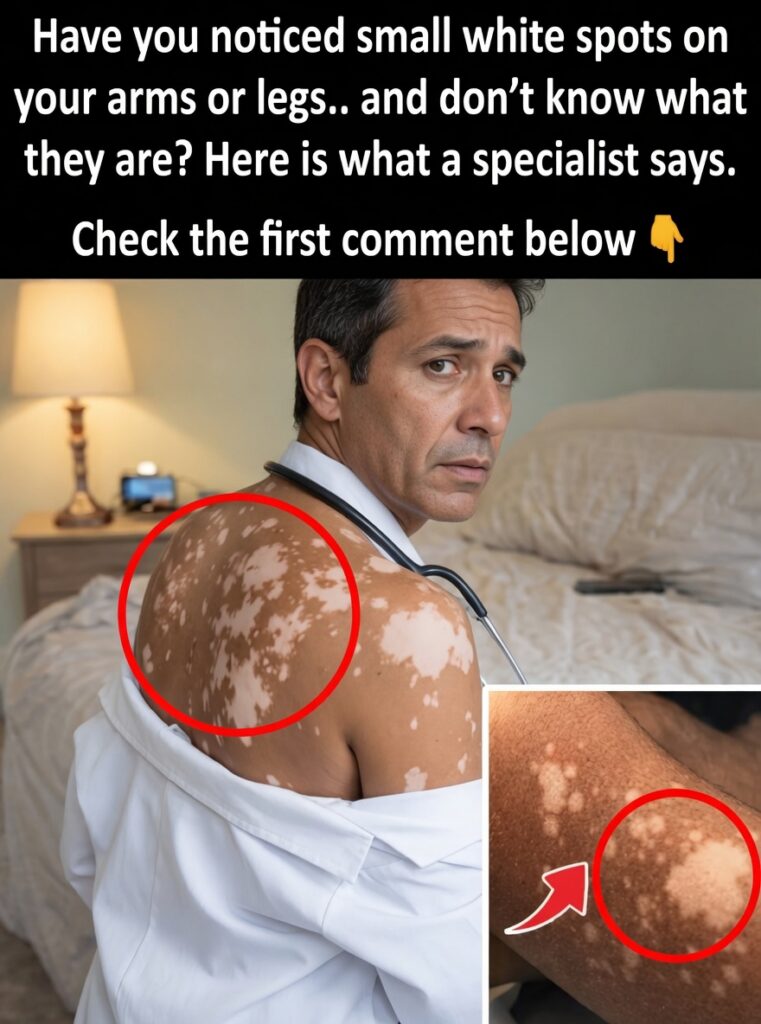
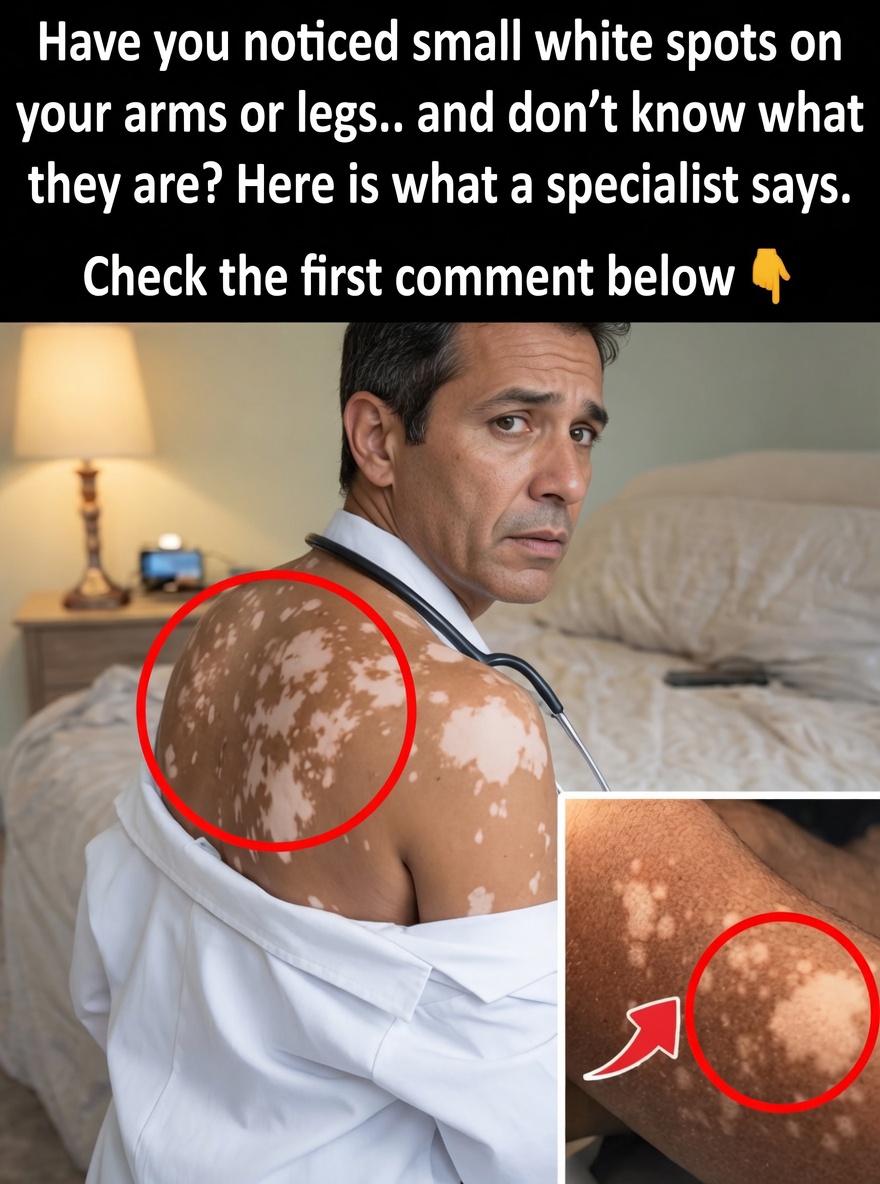
Noticing small white spots on your arms, legs, or back can feel unsettling—especially when they appear suddenly and make your skin look uneven. Even when there’s no pain or itching, these lighter patches often raise cosmetic concerns and can lead to questions about your overall health.
Many people brush them off, but in some cases, the cause is linked to everyday factors—including simple habits that are part of your routine.
Nutritional Factors That May Affect Skin Pigmentation
Your skin often reflects what’s happening inside your body. Changes in pigmentation, including lighter patches, can sometimes be connected to low levels of key nutrients.
Vitamin B12
Vitamin B12 supports the health of pigment-producing cells. When levels are low, some people develop lighter areas on the skin. This is more common among individuals following vegetarian or vegan diets without proper supplementation.
Other signs of B12 deficiency may include fatigue and tingling sensations. Dietary improvements can help, but a blood test is the best way to confirm your levels.
Vitamin D
Vitamin D plays a role in cell renewal and helps maintain a more even skin tone. Limited sunlight exposure—especially if you spend most of your time indoors—can reduce vitamin D levels.
A practical strategy may include moderate sun exposure and adding vitamin D-rich foods such as:
- Fatty fish
- Mushrooms
Essential Minerals (Zinc, Copper, and Calcium)
Minerals can also influence how evenly your skin tones. For example:
- Zinc and copper support melanin production (the pigment that gives skin its color)
- Calcium contributes to overall skin function and balance
A diet that lacks variety may lead to imbalances that show up as changes in pigmentation.
Other Possible Causes Beyond Diet
Nutrition isn’t the only factor. External triggers and certain health conditions can also lead to white spots on the skin.
Fungal Infections (Tinea Versicolor / Pityriasis Versicolor)
This common condition is caused by yeast that naturally lives on the skin. It may create light, slightly scaly patches, typically on the chest, back, and upper arms. It’s more frequent in hot, humid environments and often becomes more noticeable after tanning.
Vitiligo
Vitiligo is an autoimmune condition where the body attacks pigment-producing cells. The patches are usually well-defined and may expand over time. While the emotional impact can be significant, there are supportive lifestyle measures and treatment options. Medical guidance is important for diagnosis and management.
Sun Exposure and Natural Aging
Tiny white spots can also develop gradually as a result of long-term sun exposure or age-related skin changes. These spots are often harmless, but they may increase without consistent sun protection.
Simple Daily Habits That Can Improve Skin Health
Small adjustments can make a noticeable difference over time:
- Eat a colorful, varied diet
- Get moderate sunlight (around 10–15 minutes per day, depending on your skin and local UV levels)
- Stay well hydrated
- Apply gentle, natural moisturizers regularly
- Check your skin periodically to spot changes early
Practical Steps You Can Start Today
To take action right away:
- Review what you typically eat in a week
- Add foods rich in vitamins and minerals
- Use sunscreen daily to help prevent sun-related spots
- Consider supplements only with professional guidance
- See a healthcare professional if the spots persist, spread, or change
Conclusion
White spots on the skin can have multiple causes—from nutrient deficiencies to sun exposure, fungal issues, or conditions like vitiligo. Paying attention to your body’s signals matters. With consistent, simple care and the right support when needed, many people can improve their skin’s appearance and feel more confident again.