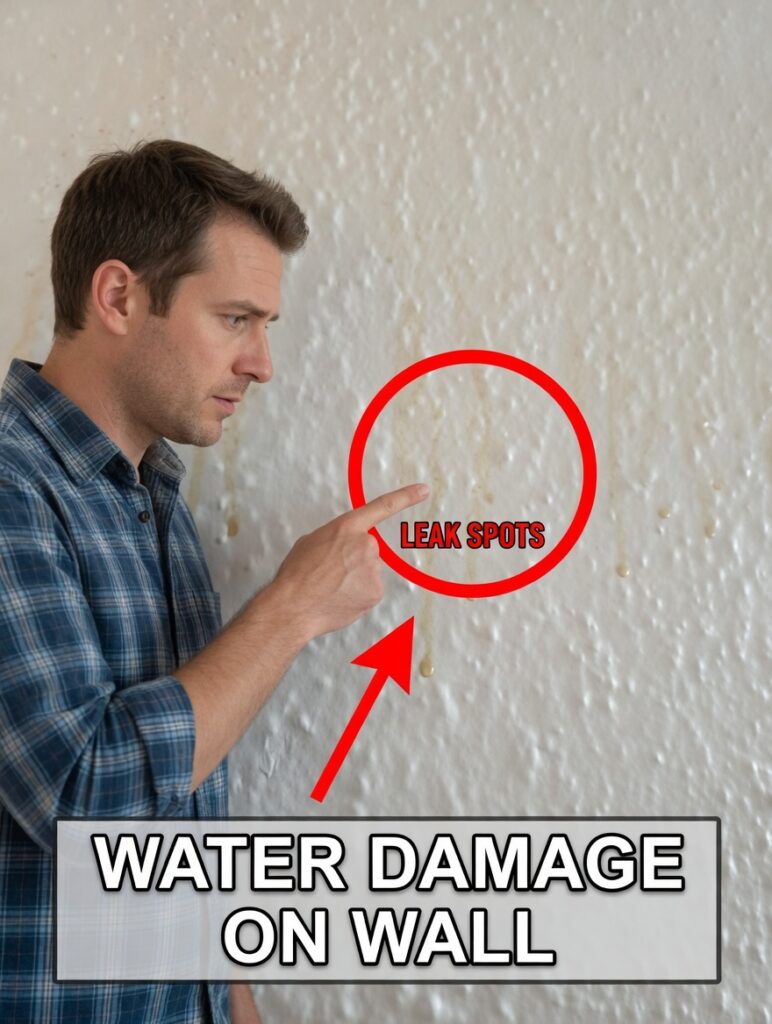
A Bathroom Mold Scare: From Pink Slime to Yellow Drips
After an unforgettable run-in with pinkish slime in my grandparents’ bathroom, I became extra wary of anything that looks like mold or bacteria. If you’ve ever dealt with bathroom mold, you know the problem isn’t just cosmetic—you don’t want potentially harmful growths spreading across your walls.
Bathrooms are built for moisture: hot showers, steam, and constant dampness are part of the deal. Even when you clean regularly, scrubbing walls every single day is unrealistic. Between work, family responsibilities, and trying to have a life, moisture often lingers—and that’s exactly when mold gets the advantage.
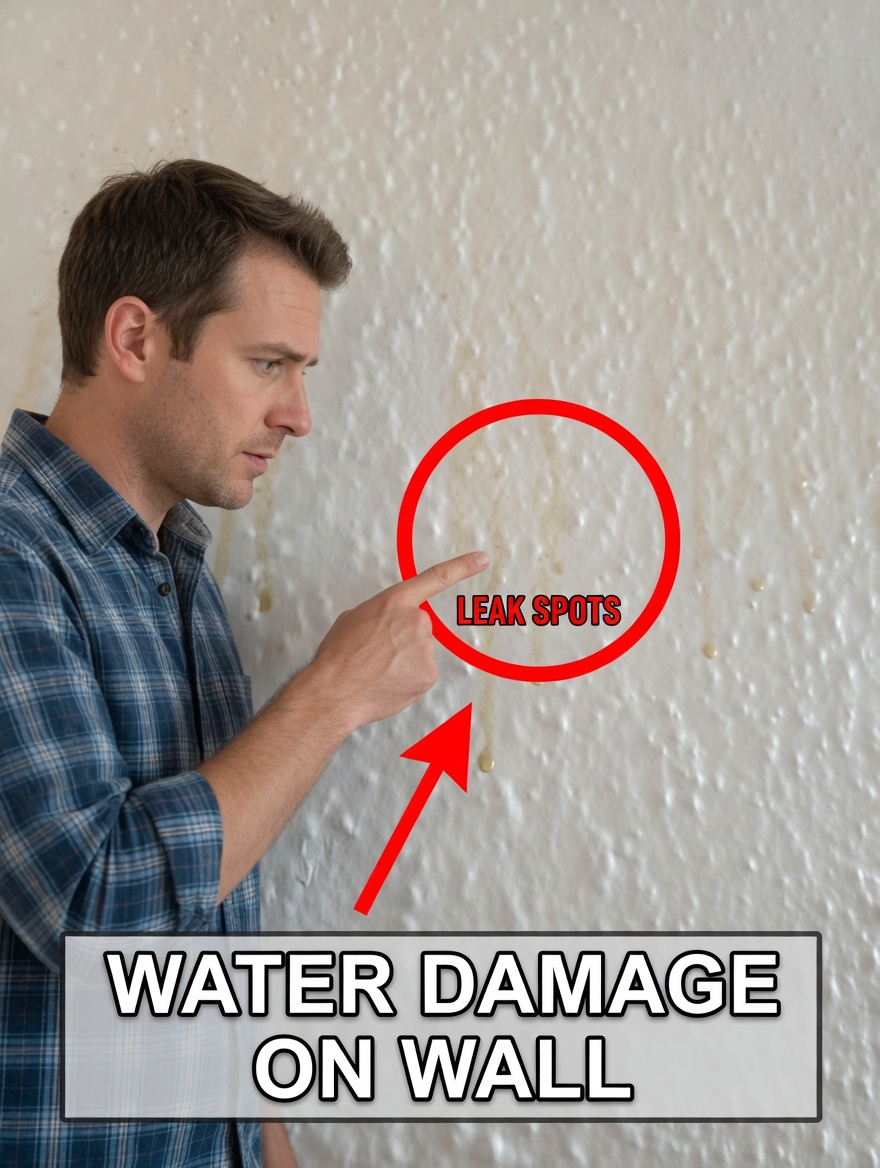
So when I heard a friend say she’d noticed yellow streaks dripping down her bathroom walls, my alarm bells went off. I wanted to understand what it could be, how serious it was, and what she should do next.
What Is Mold, and Why Can It Be Dangerous?
Mold is a type of fungus that grows where there’s moisture plus something it can feed on (like dust, soap residue, or organic particles). It reproduces through tiny spores that travel in the air and settle on surfaces. If they land somewhere damp, they can start growing quickly.
Beyond being unpleasant to look at, mold may also cause health issues. Depending on the type and a person’s sensitivity, exposure can contribute to:
- Allergic reactions (sneezing, itchy eyes, skin irritation)
- Respiratory symptoms (coughing, wheezing)
- Worsened asthma or chronic breathing problems in some cases
That’s why bathroom mold prevention and early removal matter—especially in areas we don’t inspect often, like corners, ceilings, and behind fixtures.
When and Why Does Bathroom Mold Form?
Mold thrives in warm, humid environments, which is exactly what a bathroom becomes after a shower. Steam rises, condensation settles on walls and ceilings, and if ventilation is poor, that moisture can sit for hours.
Common starting points include:
- Corners where air doesn’t circulate well
- Around sinks, tubs, and shower seals
- Near plumbing lines or small leaks
- Painted walls that stay damp
Once it appears, it can spread faster than most people expect.
How to Prevent Mold and Fight It Effectively
The best strategy is moisture control. To reduce bathroom humidity and stop mold before it starts:
- Use an exhaust fan during showers and keep it running afterward
- Open a window when possible to improve airflow
- Wipe down wet surfaces (walls, tiles, glass) after bathing
- Fix leaks quickly, even slow drips
- Clean regularly, especially grout lines and corners
What to Do If Mold Is Already There
If you spot mold, tackle it promptly. Cleaning options depend on the surface and your sensitivity to chemicals:
- For many non-porous surfaces, a diluted bleach solution can work well
- If you prefer alternatives, vinegar or hydrogen peroxide are commonly used options
During cleaning, protect yourself:
- Wear gloves
- Use a mask to reduce exposure to spores and strong fumes
- Ensure good ventilation while cleaning
What Could the Yellow Stuff Dripping Down Bathroom Walls Be?
Yellow streaks aren’t always mold, but they should never be ignored. The most common causes include:
- Nicotine residue: If the home (or a previous occupant) had indoor smoking, stains can seep through paint—especially in humid bathrooms.
- Soap scum and hard water buildup: Splashes and mineral deposits can collect over time and leave yellowish staining.
- Yellow mold or mildew: Some mold types can appear yellow, particularly in early stages.
- Paint oxidation or moisture-related staining: In damp conditions, certain paints can discolor or “bleed,” leading to yellow drips.
How to Remove Yellow Stains and Drips (Based on the Cause)
Because the source matters, use a cleaning approach that matches the likely culprit:
Nicotine Residue
- Wash walls with a vinegar and water mixture
- For stubborn stains, add a small amount of baking soda for gentle scrubbing power
Soap Scum and Hard Water Deposits
- Use a descaling product or vinegar diluted with water
- Repeat treatments may be necessary if mineral-heavy water is a consistent issue
Mold and Mildew
- Clean with bleach solution (where appropriate) or vinegar
- Keep the room well-ventilated while working
Oxidized or Stained Paint
- You may need to repaint
- Apply a stain-blocking primer first to stop discoloration from returning
Ongoing Prevention: Keep the Bathroom Dry, Clean, and Ventilated
Most bathroom wall problems—mold, mildew, stains, and residue—get worse when moisture stays trapped. The simplest long-term protection is consistent maintenance:
- Prioritize ventilation
- Stick to routine cleaning
- Consider a dehumidifier if your bathroom stays damp for long periods
If the situation escalates or becomes overwhelming, calling professionals can be a smart move. But in many cases, staying alert and acting early is enough to keep your bathroom clean, safe, and healthy.