
How to Lower High Blood Sugar Naturally (When It Stays Above 200 mg/dL)
If your blood sugar stubbornly stays above 200 mg/dL no matter what you try—and you’re hoping to bring it down without insulin or medication—there are practical, natural steps you can start using today.
Constantly elevated blood sugar can feel scary and frustrating, but you are not powerless. By combining a few simple strategies, you can gently and safely support your body in lowering glucose levels—no prescriptions required. Below, you’ll find six evidence-informed actions you can take almost anywhere, plus a clear way to track whether they’re working for you.
Key Points to Remember
- Chronic high blood sugar needs a calm, step-by-step strategy.
- Simple daily habits can create meaningful changes in your numbers.
- You can monitor your progress to see if these methods are helping.

1. Make Water Your First Line of Defense
When blood sugar is high, think hydration before anything else.
If you’re even mildly dehydrated, the glucose in your bloodstream becomes more concentrated, which can push your readings higher. Drinking enough water helps dilute the sugar in your blood and supports your kidneys in flushing out the excess.
- Aim for around 2 liters of water per day, or roughly one 8‑ounce (250 ml) glass for every 10 kg of body weight, unless your doctor has given you fluid restrictions.
- Proper hydration alone can sometimes lower blood sugar by about 30–35 mg/dL.
- In hospital settings, fluids are one of the first treatments used for high blood sugar, which shows how important hydration really is.
2. Use Cinnamon to Support Better Sugar Control
Cinnamon is more than just a flavor booster—it may help your body handle glucose more efficiently.
Research suggests that cinnamon can improve insulin sensitivity and help regulate blood sugar. One of the easiest ways to use it is as a simple, unsweetened tea.
How to use cinnamon:
- Steep natural cinnamon sticks in hot water for several minutes, or use pure, unsweetened cinnamon tea bags.
- Avoid adding sugar, honey, milk, or sweeteners.
- Drinking 1–2 cups per day may help reduce blood sugar by roughly 20–30 mg/dL for some people.
Always choose real cinnamon and talk to your healthcare provider if you’re taking other medications, as herbs and spices can sometimes interact.
3. Take Apple Cider Vinegar the Smart Way
Apple cider vinegar (ACV) can help your muscles pull more glucose out of your bloodstream, improving blood sugar control for some people.
To use apple cider vinegar safely:
- Mix 1–2 tablespoons of ACV into a glass of water.
- Drink it with a straw to protect your tooth enamel.
- Limit it to once or twice a day and avoid taking it on an empty stomach if you have a sensitive digestive system.
Many people notice a drop of about 15–20 mg/dL in their glucose levels with this method. However, do not overuse ACV, and avoid it if you have chronic stomach problems, ulcers, or reflux unless your doctor approves.
4. Move Your Body for at Least 15 Minutes
You don’t need a gym or special equipment—just get moving.
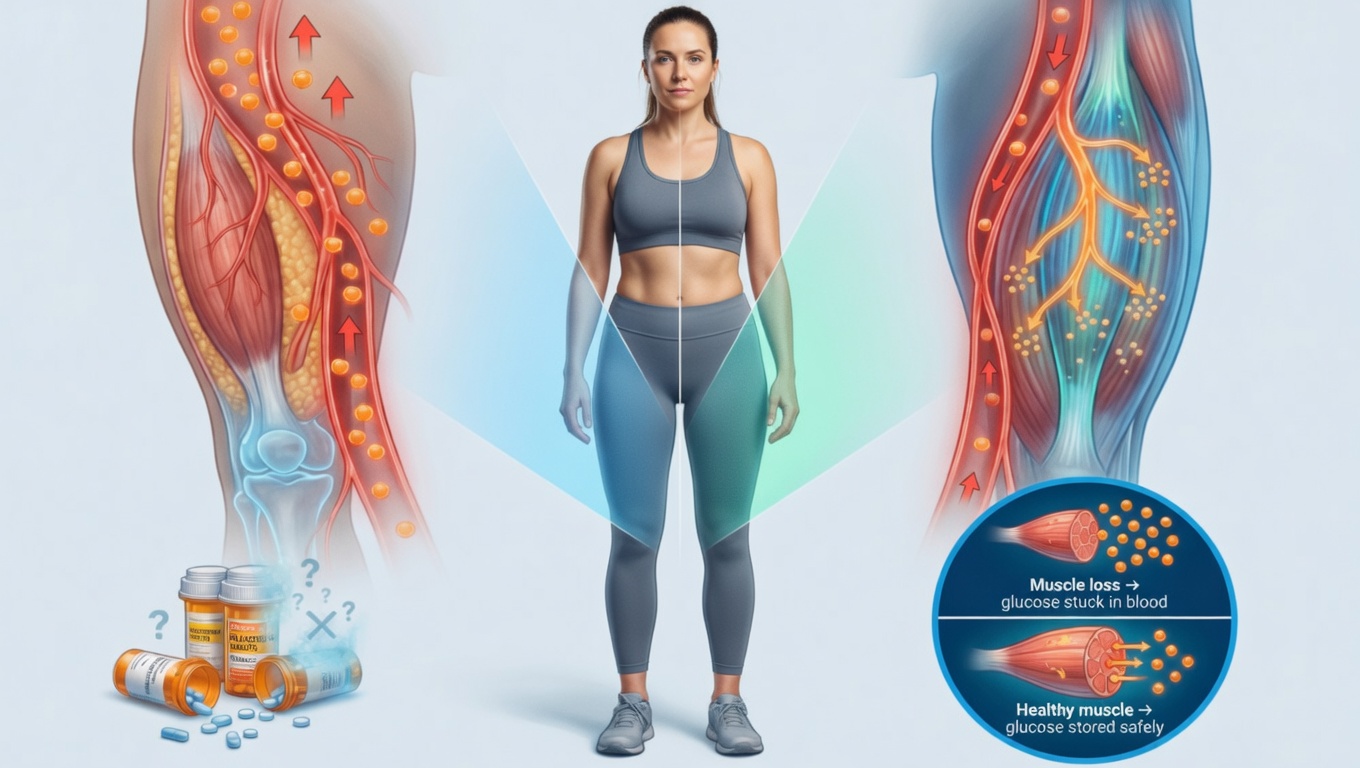
Physical activity tells your cells to use more glucose for energy, which helps lower the amount circulating in your blood. Even short bursts of movement can make a difference.
Try:
- Brisk walking
- Light jogging
- Squats, lunges, or stair climbing
- Doing household chores at a faster pace
Aim for at least 15 minutes of continuous movement. When combined with hydration, cinnamon, and ACV, this can significantly help bring down high blood sugar.
5. Consider Guava Leaf Tea (Where Available)
In many traditional medicine systems, guava leaves are used to help manage high blood sugar.
If guava leaves are accessible where you live, you can prepare a simple tea:
- Rinse the leaves thoroughly.
- Boil them in water for several minutes.
- Strain and drink the liquid once it has cooled to a comfortable temperature.
Guava leaf tea may help lower blood sugar when used alongside the core strategies above—especially hydration, movement, and the other natural aids mentioned.
6. Reduce Stress with Meditation or Relaxation Techniques
Stress is often overlooked, but it can have a powerful effect on blood sugar. When you’re stressed, your body releases hormones such as cortisol and adrenaline, which signal your liver to release more glucose into the bloodstream.
Meditation and relaxation can help:
- Lower stress hormone levels
- Improve your body’s ability to use glucose
- Support better overall metabolic balance
A regular 15‑minute practice—such as deep breathing, guided meditation, mindfulness, or gentle yoga—can sometimes lower blood sugar by up to 25 mg/dL. The key is consistency and patience; the benefits build over time.
How to Check If These Strategies Are Working
It’s important to know whether your efforts are actually making a difference. Here is a simple way to gauge your progress if you are not using insulin or medication during this period:
- After 4 hours: Look for about a 25% reduction in your blood sugar.
- After 8 hours: Aim for around a 50% reduction.
Example
If you start at 300 mg/dL:
- After 4 hours, a positive response would be around 225 mg/dL.
- After 8 hours, you might expect a reading closer to 150 mg/dL.
If you are not seeing these kinds of changes—especially if your numbers barely move—these natural methods may not be enough on their own.
Possible reasons include:
- Type 1 diabetes or serious pancreatic issues that require medical treatment.
- Severe insulin resistance, where your body struggles to respond to its own insulin.
In these cases, do not blame yourself or panic—but do contact your doctor for further evaluation and more intensive support.
Go Slowly and Keep Safety First
Bringing high blood sugar down should be a gradual process. A dramatic drop—such as going from 400 to 200 mg/dL in just 10 minutes—is not safe and can shock your system.
Aim instead for:
- Steady, gentle reductions over several hours
- Consistent use of the strategies above, rather than sudden, extreme changes
Also remember: these tips are meant for persistently high blood sugar, not for short, temporary spikes after meals that usually settle within a couple of hours.
If you apply these methods and still don’t see meaningful improvement, it’s essential to work with a healthcare professional to uncover the underlying cause and create a personalized plan.
The Bottom Line
You can influence your blood sugar in powerful ways through everyday habits:
- Staying well hydrated
- Using natural supports like cinnamon, apple cider vinegar, and guava leaf tea
- Moving your body regularly
- Calming your stress response with meditation or relaxation
Combine these steps and track your readings to see how your body responds. If your numbers improve, you’ll know you’re moving in the right direction. If they don’t, that’s valuable information too—it means it’s time to seek medical guidance for a more targeted approach.
Source: Dr. Antonio Cota