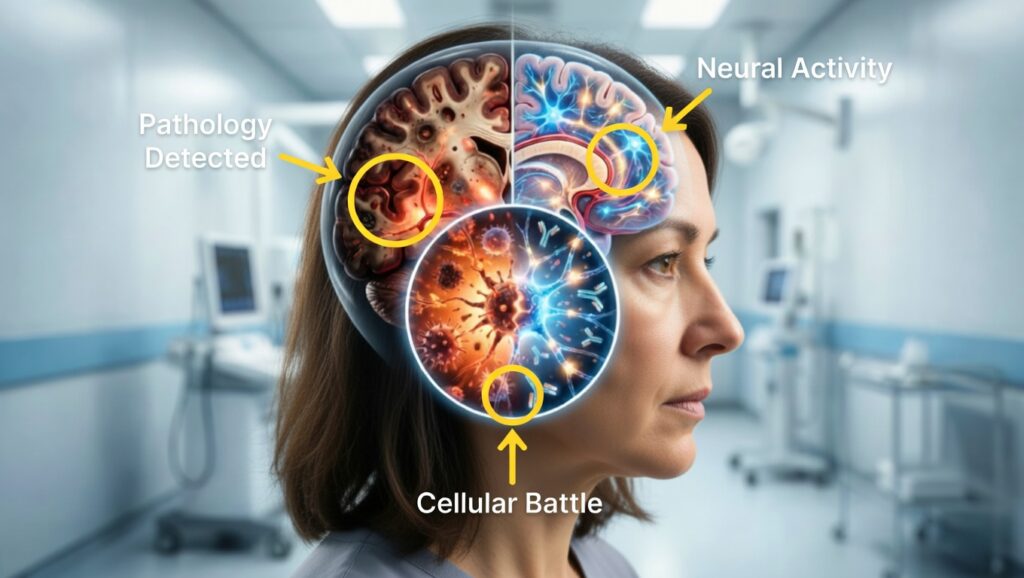
Simple Ways to Lower Your Dementia Risk: Vaccines, Supplements, and Everyday Habits
If you’re wondering whether there’s anything practical you can do today to reduce your chances of developing dementia, the answer is encouraging. New research suggests that simple, widely available tools—from common vaccines to everyday nutritional supplements—may meaningfully protect your brain.
Dementia affects millions of older adults worldwide and has been notoriously difficult to prevent or treat. Despite huge investments and many unsuccessful drug trials, progress has been slow. Yet, as often happens in medicine, some of the most promising discoveries are coming from unexpected directions. Just as medications for diabetes turned out to help with other conditions like arthritis, scientists have now identified a strong link between a routine vaccine and a lower risk of dementia.
This overview—based on insights from Dr. Brad Stanfield—explains what the latest science is revealing, what it might mean for your long‑term brain health, and which practical steps you can start considering right now.
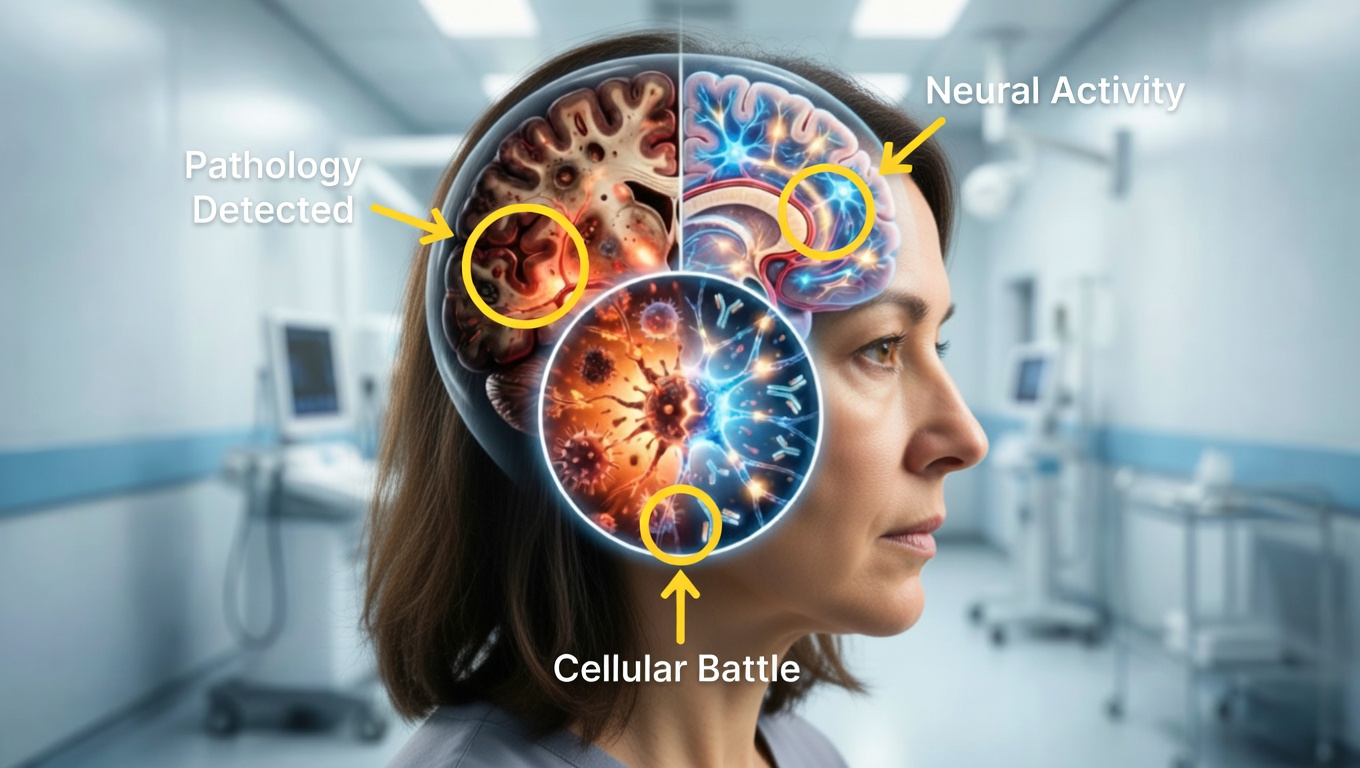
Key Takeaways
- Getting the shingles (herpes zoster) vaccine may significantly cut your risk of dementia and could even slow its progression.
- There is growing evidence that certain viruses—especially the virus behind chickenpox and shingles—are closely connected to dementia.
- Supplements and daily lifestyle choices can support brain health and may reduce the risk of cognitive decline.
- Addressing hearing loss with hearing aids and regular hearing checks is a powerful, often underestimated way to protect cognition.
- Always consult your healthcare provider before starting any new vaccine, medication, or supplement.
1. The Shingles Vaccine: A Surprising Tool for Dementia Prevention
Most people know the shingles vaccine as a way to avoid a painful rash later in life. What’s less well known is that this same vaccine may also lower your chance of developing dementia.
Large population studies have found that older adults who received the shingles vaccine had up to a 20% lower risk of being diagnosed with dementia compared with those who were not vaccinated.
How Researchers Discovered the Link
A unique policy change in Wales created a natural experiment. Two nearly identical age groups ended up with different eligibility rules for the shingles vaccine. Over about seven years, scientists followed these groups and compared their health outcomes.
The results were striking: people who were eligible for—and received—the shingles vaccine were considerably less likely to develop dementia than those who did not. Because the shingles vaccine is already widely recommended and has a strong safety record, this finding is especially important for public health.
2. Viruses and Dementia: What’s the Connection?
Why would a vaccine against shingles influence dementia risk? The answer lies in how certain viruses behave in the body.
The varicella‑zoster virus (VZV)—the one that causes chickenpox in childhood and shingles later in life—does not completely disappear after the initial infection. Instead, it lies dormant in nerve cells and can reactivate decades later.
Silent Reactivations, Lasting Damage
These reactivations sometimes cause shingles, but they can also occur at a low level without obvious symptoms. Even when you don’t notice anything on your skin, the virus may still be:
- Activating your immune system
- Causing low‑grade inflammation
- Affecting brain and nerve tissue
Research suggests that viral reactivation can stimulate the production of abnormal proteins that clump together in the brain—similar to the amyloid and tau proteins seen in Alzheimer’s disease. Repeated immune activation and inflammation over time may damage brain cells and raise the risk of dementia.
By preventing or reducing viral reactivations, the shingles vaccine may indirectly protect the brain from this long‑term inflammatory stress.
3. Beyond Prevention: Slowing or Improving Dementia Outcomes
The benefits of the shingles vaccine appear to go beyond simply lowering the risk of developing dementia in the first place.
Studies indicate that people who already had mild cognitive impairment or an early dementia diagnosis, and who received the shingles vaccine, experienced:
- Better overall outcomes than similar individuals who were not vaccinated
- Reduced risk of severe consequences, including death
While we still need more research to fully understand these effects, the data so far are encouraging. The protective impact seems strongest in adults around age 80 and older, but future studies will clarify how younger age groups might benefit as well.
4. Do Newer Shingles Vaccines Offer the Same Protection?
Earlier research was based on the original live‑attenuated shingles vaccine (Zostavax). Many countries now use a newer recombinant vaccine (Shingrix), which does not contain a live virus and generally provides stronger and longer‑lasting protection against shingles.
Follow‑up research from the United States suggests that:
- The newer recombinant shingles vaccine is at least as effective—if not more so—at reducing dementia risk.
- People who receive the recombinant vaccine show even greater reductions in dementia diagnoses compared with those who received the older formulation.
This is good news if you are considering vaccination now, as most clinics and pharmacies offer the newer vaccine.
5. Supplements That May Support Brain Health
No supplement can guarantee you will avoid dementia, but several nutrients have shown promising effects on memory, brain function, and cognitive aging. Here are four with some of the most interesting evidence so far:
a. Multivitamins and Minerals
In a large randomized clinical trial, participants who took a daily multivitamin and mineral supplement experienced:
- Measurable improvements in memory
- Slower cognitive aging—equivalent to about two years of “younger” brain function
These benefits were strongest in people who used the supplement consistently over time, suggesting long‑term use may be important.
b. Omega‑3 Fatty Acids
Omega‑3 fats (especially DHA and EPA), found in fatty fish such as salmon, sardines, and mackerel, as well as fish oil and algae‑based supplements, are key building blocks for brain cell membranes.
Clinical studies show that omega‑3 supplements:
- Support brain structure and communication between neurons
- Can reduce dementia symptoms by more than 20% in some cases
- Work even better when combined with adequate B vitamins (such as B6, B12, and folate)
c. Creatine
Creatine is widely known in the fitness world for boosting muscle power, but it is also an essential energy source for your brain.
Research indicates that creatine supplementation can:
- Improve memory and cognitive performance, especially in older adults
- Enhance the brain’s ability to generate and store energy
Because brain cells are highly energy‑demanding, providing them with extra energy support may help maintain function as you age.
d. TMG (Trimethylglycine)
High levels of homocysteine, an amino acid in the blood, have been linked to a higher risk of Alzheimer’s disease and other forms of dementia.
TMG (also called betaine) may:
- Help lower homocysteine levels
- Support methylation, a key process involved in brain function and DNA repair
Although more clinical trials are needed, TMG is being actively studied as a potential tool for reducing dementia risk by improving homocysteine metabolism.
A Critical Reminder on Supplements
Not everyone needs these supplements, and they can interact with medications or existing health conditions. Always discuss new supplements with your healthcare provider, particularly if you:
- Take prescription drugs
- Have kidney, liver, heart, or metabolic issues
- Are pregnant, breastfeeding, or managing a chronic condition
6. Hearing Loss and Dementia: A Hidden but Major Risk Factor
One of the most underestimated contributors to dementia risk is untreated hearing loss. Research consistently shows that people with significant hearing loss who do not use hearing aids have a substantially higher risk of:
- Cognitive decline
- Social isolation and depression
- Accelerated memory and thinking problems
The encouraging part: treating hearing loss appears to lower this risk. Using hearing aids or other assistive devices can:
- Improve communication and social engagement
- Reduce mental strain from constantly trying to understand speech
- Help preserve brain function over time
If you notice you’re turning up the TV, asking others to repeat themselves, or avoiding conversations because of hearing difficulty, consider a hearing test. Addressing hearing loss early is a simple, powerful way to support long‑term brain health.
7. Cholesterol, Heart Health, and Dementia Risk
Your brain depends on a healthy blood supply. Anything that damages blood vessels—especially in the heart and brain—can increase your risk of vascular dementia and worsen other types of cognitive decline.
High cholesterol is a major factor in:
- Narrowing and stiffening of blood vessels
- Reduced blood flow to brain tissue
- Stroke and mini‑strokes (which can accumulate to cause significant cognitive problems)
Supporting brain health therefore overlaps heavily with supporting heart and vascular health. Helpful strategies include:
- Eating a balanced, heart‑healthy diet rich in vegetables, fruits, whole grains, healthy fats, and lean protein
- Staying physically active with regular exercise that fits your ability level
- Following your doctor’s guidance on cholesterol management, including medication if needed
- Avoiding smoking and moderating alcohol intake
By protecting blood vessels and circulation, you are also protecting your brain.
8. Looking Ahead: The Future of Dementia Prevention
Our understanding of dementia is rapidly evolving. The emerging link between viruses, vaccines, and brain health is opening up an entirely new area of prevention research. While scientists continue to explore these mechanisms, several strategies already stand out as practical, accessible ways to support brain health:
- Staying up to date with recommended vaccines, especially the shingles vaccine for adults over 50
- Considering evidence‑based supplements under medical guidance
- Treating hearing loss with hearing aids or other interventions
- Maintaining healthy cholesterol and overall cardiovascular health
- Eating well, exercising regularly, and staying mentally and socially engaged
No single step is a cure, but together they can build a powerful line of defense for your mind and memory.
What You Can Do Next
You do not have to wait for future breakthroughs to act. Here are some concrete steps to discuss with your healthcare provider:
- Ask about the shingles vaccine if you are over 50 and have not yet been vaccinated.
- Review your supplement plan, including multivitamins, omega‑3s, creatine, or TMG, to see what is appropriate for your health profile.
- Check your hearing and explore hearing aids if you notice any difficulty.
- Monitor your cholesterol and cardiovascular health, and follow medical advice on diet, exercise, and medications.
- Stay proactive about brain‑healthy habits—every small action can compound over time.
Protecting your brain is a long‑term investment. The choices you make today can help you preserve clear thinking, memory, and independence in the years ahead.
Source: Insights adapted from Dr. Brad Stanfield