🧠 Foamy Urine: 3 Essential Vitamins to Naturally Protect Your Kidneys
Introduction
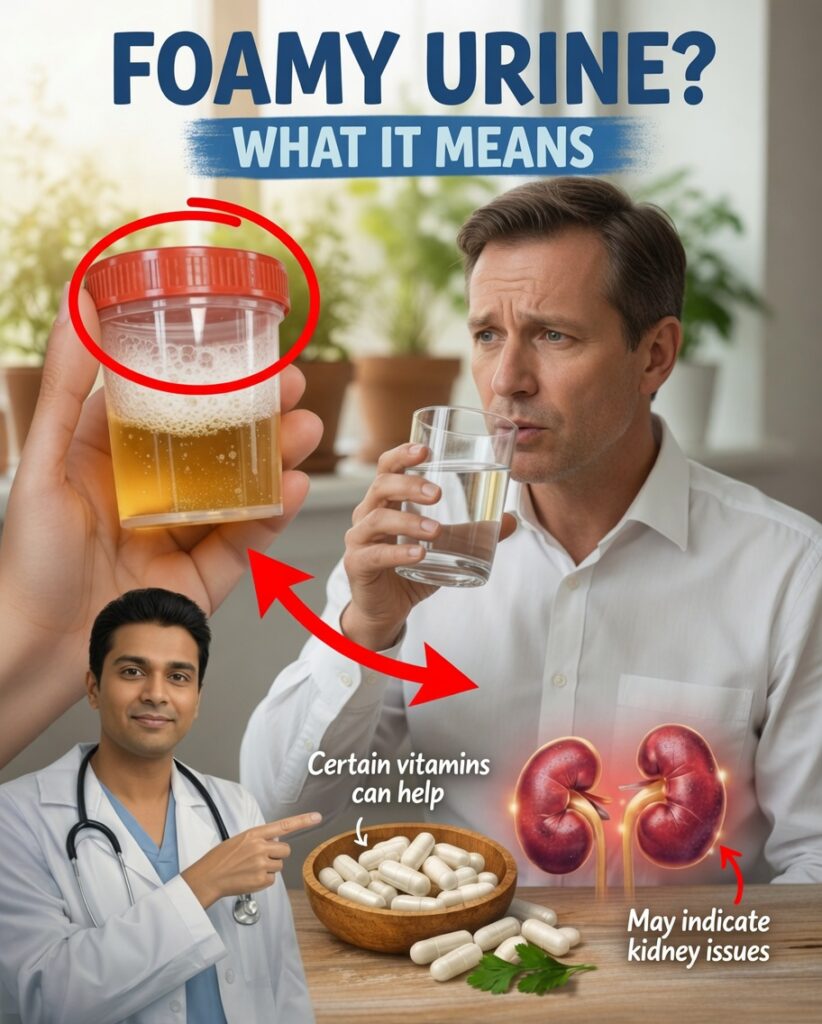
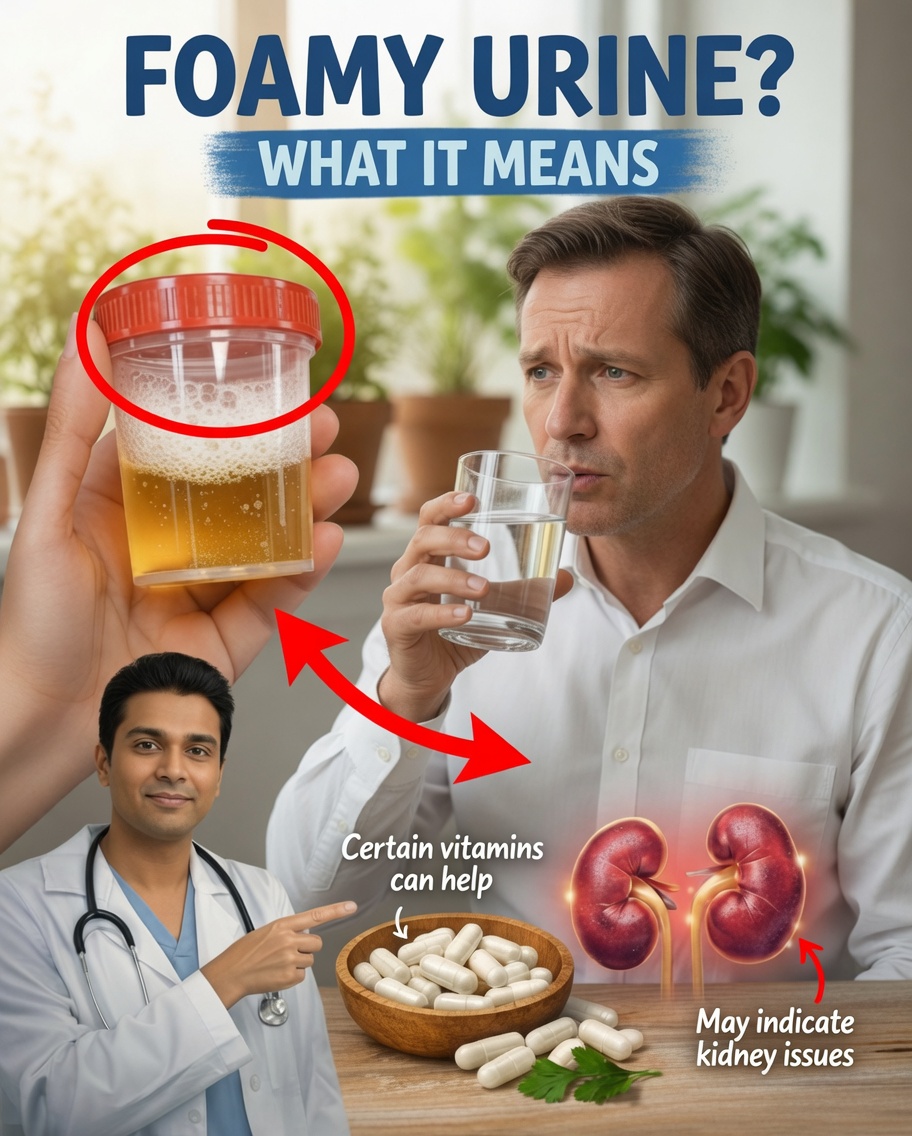
Have you ever noticed persistent foam in the toilet after you urinate, similar to the bubbles in a fizzy drink? This sign, often overlooked, can be an early warning from your kidneys. When they work properly, your kidneys filter waste products while keeping vital proteins in your bloodstream. Foamy urine can be a sign that proteins are leaking into the urine, a condition called proteinuria.
In a world marked by stress, poor diet, and sedentary lifestyles, this issue is becoming more common. The good news: certain key vitamins can help naturally support kidney function. Here’s how vitamins D, E, and B9 may play a crucial role in protecting your kidneys and reducing foamy urine linked to protein loss.
🌿 Foamy Urine: A Silent Warning You Should Not Ignore
Occasional foamy urine is not always a cause for alarm. It can appear after strenuous exercise, when you are dehydrated, or simply because of a strong urine stream hitting the toilet water. However, if the foam is persistent and noticeable, it may point to a kidney problem.
Your kidneys work like highly sophisticated filters. When they become weakened or damaged, they can allow proteins to pass into the urine, creating that characteristic froth. Over time, this can be associated with other symptoms such as:
- Persistent fatigue
- Swelling in the legs or ankles
- Low energy levels
- Difficulty concentrating or “brain fog”
Proteinuria is often linked to inflammation and oxidative stress, two major factors that gradually damage kidney cells. This is where specific vitamins can offer real support.
🍊 Vitamin D: Calming Kidney Inflammation
Vitamin D is crucial for regulating the immune system and controlling inflammatory processes throughout the body, including in the kidneys. Deficiency in vitamin D is frequently observed in people with kidney issues.
Research suggests that maintaining adequate vitamin D levels may help:
- Reduce proteinuria (protein loss in the urine)
- Support healthier kidney filtration
- Limit inflammatory reactions that damage kidney filters (glomeruli)
Natural sources of vitamin D include:
- Moderate sun exposure (around 15–20 minutes a day, depending on skin type and location)
- Fatty fish (such as salmon, sardines, mackerel)
- Eggs (especially the yolk)
Keeping your vitamin D levels in a healthy range is a simple yet powerful way to support kidney health and potentially reduce foamy urine linked to protein loss.
🥑 Vitamin E: A Powerful Antioxidant Shield
Oxidative stress is one of the main enemies of your kidneys. It occurs when there is an imbalance between free radicals and antioxidants, and it gradually damages cells, including those in the kidneys.
Vitamin E is a well-known antioxidant that:
- Protects cell membranes from damage caused by free radicals
- Helps slow down the progression of kidney cell injury
- Supports natural cell repair and regeneration
Good dietary sources of vitamin E include:
- Almonds and other nuts
- Avocado
- Extra-virgin olive oil and other healthy plant oils
Because vitamin E is a fat-soluble vitamin, it is best absorbed when eaten with healthy fats. Including vitamin E–rich foods in balanced meals may help reinforce your kidneys’ defenses against oxidative stress.
🥬 Vitamin B9 (Folic Acid): Balance and Prevention
Vitamin B9, also known as folate (in food) or folic acid (in supplements), is essential for the metabolism of homocysteine, an amino acid naturally present in the body. When homocysteine levels become too high, it can damage blood vessels, including those that supply the kidneys.
High homocysteine levels are associated with:
- Increased risk of cardiovascular disease
- Greater likelihood of kidney dysfunction
- Possible worsening of proteinuria over time
By helping regulate homocysteine levels, vitamin B9 indirectly supports kidney health and may contribute to a reduction in protein loss through the urine.
Natural sources of vitamin B9 include:
- Leafy green vegetables (spinach, kale, Swiss chard)
- Lentils
- Beans and other legumes
A diet rich in folate-containing foods helps maintain overall metabolic balance and contributes to long-term kidney protection.
📊 Comparison of Kidney-Friendly Vitamins
Below is a quick comparison of how vitamins D, E, and B9 support kidney health and help address foamy urine linked to proteinuria:
| Vitamin | Main Benefits for Kidneys | Natural Sources | Key Points to Watch |
|---|---|---|---|
| Vitamin D | Reduces inflammation, supports filtration, may lower proteinuria | Sun exposure, fatty fish, eggs | Avoid excessive supplementation; monitor levels |
| Vitamin E | Protects against oxidative stress and cell damage | Almonds, avocado, olive oil | Consume with healthy fats for better absorption |
| Vitamin B9 (Folate) | Regulates homocysteine, supports blood vessel health | Green vegetables, lentils, legumes | Prefer food sources; supplements if prescribed |
🍲 How to Include These Vitamins in Your Daily Routine
Simple daily habits can make a real difference for your kidneys and may help reduce foamy urine over time:
- Add leafy green vegetables to meals (salads, stir-fries, soups)
- Eat a handful of nuts or almonds as a snack
- Include avocado in sandwiches, salads, or breakfast bowls
- Get regular, safe sun exposure when possible
- Choose fatty fish and eggs as protein sources several times a week
- Use extra-virgin olive oil as your main cooking or dressing fat
By combining these habits, you naturally increase your intake of vitamins D, E, and B9 while supporting overall kidney function.
✅ Prevention and Safety Tips
Before making major changes to your diet or starting supplements, it’s important to proceed safely:
- Consult a healthcare professional (doctor, nephrologist, or dietitian)
- If you notice persistent foamy urine, ask for a urine test to check for proteinuria
- Monitor the evolution of any symptoms (fatigue, swelling, changes in urination)
- Avoid self-medicating with high-dose supplements without medical guidance
A gradual, supervised approach helps you protect your kidneys while minimizing potential risks from excessive supplementation.
❓ FAQ
Is foamy urine always dangerous?
Not always. It can be temporary, due to dehydration, strong urine flow, or recent exercise. However, if foamy urine is frequent, persistent, or accompanied by other symptoms, it’s important to consult a doctor.
Can I take vitamin supplements without medical advice?
It’s safer to prioritize natural food sources first. Some vitamins, especially fat-soluble ones like vitamin D and E, can be harmful in excess. Always seek professional advice before starting supplements.
How long does it take to see improvements?
This varies from person to person. With consistent healthy eating, adequate hydration, and lifestyle changes, some people notice improvements within a few weeks to a few months. Medical follow-up is essential to track real progress.
Conclusion
Foamy urine can be an early sign of kidney problems and should not be ignored, especially if it persists over time. Vitamins D, E, and B9 provide a natural way to support kidney function by reducing inflammation, limiting oxidative stress, and promoting better vascular and metabolic balance.
By adopting a balanced diet rich in these vitamins and maintaining healthy lifestyle habits, you can help protect your kidneys sustainably. Always remember: regular medical check-ups and proper diagnosis are essential for safe and effective management of any kidney-related issue.