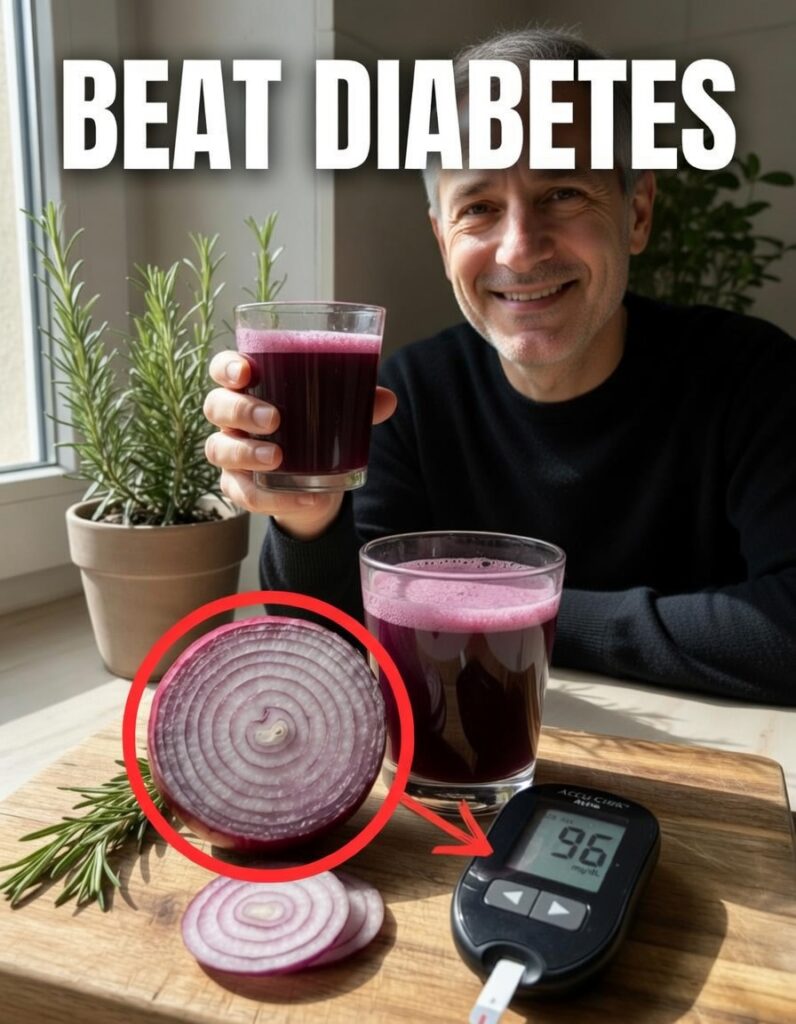
Stabilize Your Energy Naturally With a Simple Kitchen Staple
Do you often feel drained, crave sweets all the time, or get annoyed because your energy levels rise and crash throughout the day? Many people experience this without realizing that small, smart food choices can make a big difference.
The promising part: there is a common ingredient you probably already have in your kitchen that may support more balanced blood sugar levels. And there’s a twist—how you prepare it is what makes this simple recipe truly special.
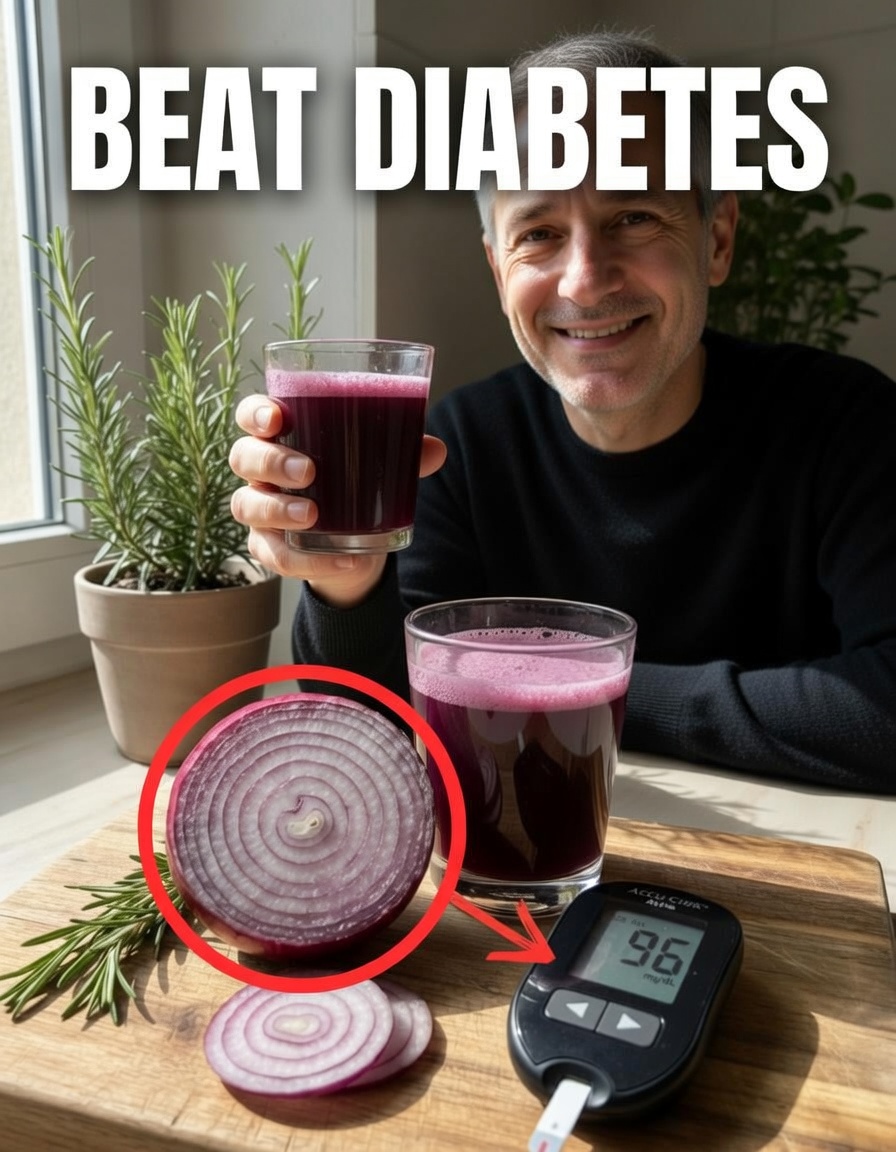
Discover the Power of Red Onion
Red onions are more than just a garnish for salads or a topping for sandwiches. Thanks to their unique composition, they contain natural compounds that have been studied for their antioxidant properties and their potential to help your body handle sugars more efficiently.
It’s important to emphasize that we’re talking about healthy eating habits and overall wellness—not a medical treatment or a substitute for professional care.
Why Red Onion and Not Other Types?
1. Bold, Versatile Flavor
Red onion has a slightly sweet, crisp taste that can brighten almost any dish. It adds both color and crunch, making meals more appealing and satisfying.
2. Rich in Natural Antioxidants
Red onion contains quercetin, a flavonoid that has been linked to reduced inflammation and protection against oxidative stress.
3. Support for Digestion
The soluble fiber in red onion can support healthy digestion and may help you feel fuller for longer, which can be helpful if you’re trying to manage cravings.
But the real secret is not only in the known benefits of red onion—it’s in the simple way it’s prepared and combined with other ingredients in the following recipe.
Step-by-Step: A Little-Known Red Onion Recipe
Use this easy, gentle method to include red onion in your daily routine.
Ingredients
- 1 medium red onion
- 1 teaspoon extra-virgin olive oil
- A few sprigs of fresh parsley (optional)
- Ground black pepper to taste
Instructions
-
Wash and slice
Rinse the red onion and slice it into thin rings. Finer slices help release more of its beneficial compounds. -
Dress with olive oil
Arrange the slices on a plate and drizzle with extra-virgin olive oil. This not only enhances the flavor but can also support the absorption of certain nutrients. -
Season and mix
Sprinkle with black pepper and add finely chopped parsley if you like. Toss gently to coat all the slices. -
Let it rest or eat right away
You can enjoy it raw immediately, or let it sit for 5–10 minutes to deepen the aroma and flavor before adding it to meals.
Serving Ideas
You can:
- Add it to salads for extra crunch
- Use it in tacos or wraps
- Layer it into sandwiches and burgers
- Eat a small portion as a snack between meals
Consistency is key—enjoying red onion regularly, and actually liking the taste, will make it easier to stick with this habit.
More Ways to Include Red Onion in Your Day
At Breakfast
- Add a few slices to an omelet or scrambled eggs
- Layer thin rings on avocado toast or savory toast
Smart Snacks
- Pair small rings of red onion with hummus
- Mix finely chopped onion into plain yogurt as a quick dip
Light Evening Meals
- Combine red onion with steamed or grilled vegetables
- Use it in a simple salad with leafy greens and olive oil
Tip: Combining red onion with healthy fats—such as olive oil, avocado, or nuts—may support better absorption of its antioxidant compounds.
Red Onion vs. White Onion: A Quick Comparison
| Feature | Red Onion | White Onion |
|---|---|---|
| Flavor | Sweet yet robust | Mild and neutral |
| Antioxidants | High (rich in quercetin) | Lower antioxidant content |
| Best Uses | Raw, salads, salsas | Cooked dishes, stews |
As you can see, red onion offers particular advantages when you’re looking for a strong flavor and a higher intake of antioxidants.
What Research Suggests
Studies on red onion and its flavonoids, especially quercetin, indicate that they may help reduce oxidative stress and support a more efficient glucose metabolism. While red onion is not a cure and does not replace medical supervision, using it regularly as part of a balanced, varied diet can be a helpful addition to a healthy lifestyle.
FAQ: Common Questions About Red Onion
1. Can I cook red onion and still keep its benefits?
Yes, you can cook red onion, and it will still offer some benefits. However, it’s a good idea to eat at least a portion of it raw, because certain heat-sensitive enzymes and compounds may decrease when exposed to high temperatures.
2. How often should I eat red onion?
For many people, a small serving once a day is enough to take advantage of its natural compounds. Ultimately, it depends on your overall diet, your preferences, and how well you tolerate it.
3. Are there any side effects or contraindications?
People who are allergic to onions or who have a very sensitive digestive system may need to limit their intake or avoid them altogether. If you experience discomfort, bloating, or irritation, reduce the portion and observe how your body responds.