Healthy Seeds: Benefits and the Truth About Cancer Claims
Including seeds in your diet can support overall health, but they are often surrounded by exaggerated claims, especially about cancer. Below is a clear, evidence-based overview of some popular seeds, their proven benefits, and what science really says about their role in cancer prevention and treatment.
1. Chia Seeds
Chia seeds have become a staple in many health-conscious diets. They are naturally rich in:
- Plant-based omega-3 fatty acids
- Soluble fiber
- Plant proteins
- Antioxidants
- Calcium, magnesium, and other essential minerals
Evidence-based benefits of chia seeds:
- Support healthy digestion and help prevent constipation due to their high fiber content.
- May aid in blood sugar control, particularly in people with insulin resistance.
- Can help lower LDL (“bad”) cholesterol levels.
- Provide long-lasting energy thanks to their slow-digesting carbohydrates.
These advantages contribute to a balanced, health-promoting diet. However, none of them mean that chia seeds “kill cancer cells” or act as a cancer cure.
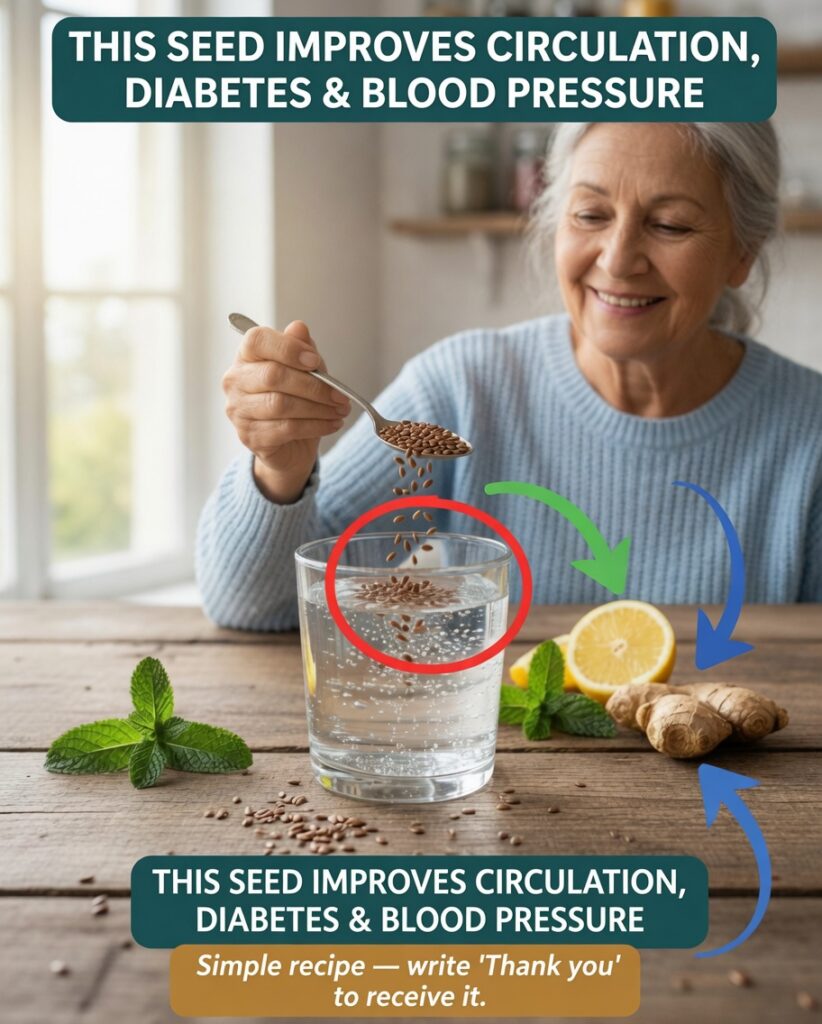
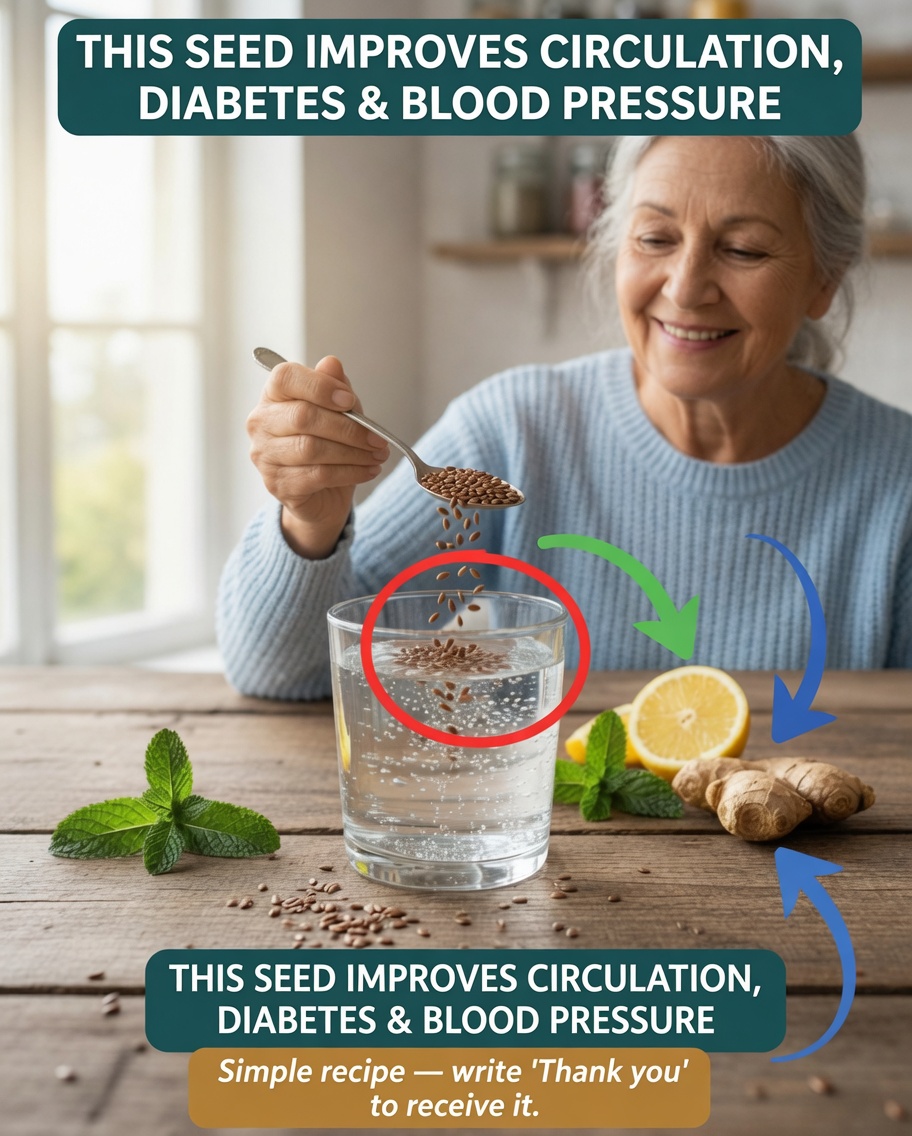
2. Flaxseeds
Flaxseeds are especially valued for their high content of lignans, plant compounds that act as antioxidants and phytoestrogens.
Evidence-based benefits of flaxseeds:
- Promote gut health and support regular bowel movements.
- May help with hormonal balance at certain stages of life.
- Contribute to the reduction of chronic inflammation.
- Support cardiovascular health, especially when included in a heart-healthy eating pattern.
Research is ongoing regarding flaxseeds and cancer, including breast and prostate cancer. While some results are promising, no medical authority recognizes flaxseeds as a cure or standalone treatment for cancer.
3. Pumpkin Seeds
Pumpkin seeds are widely used in Mexican cuisine, particularly in dishes like pipián and mole, and are gaining popularity worldwide as a nutritious snack.
They provide:
- Zinc
- Healthy fats
- Antioxidants
- Tryptophan (an amino acid linked to mood and sleep)
Key health benefits of pumpkin seeds:
- Help support immune system function.
- May contribute to prostate health.
- Can promote better sleep and overall well-being due to their tryptophan content.
- Assist in managing cholesterol levels as part of a balanced diet.
These are genuine health benefits, but pumpkin seeds are not medications and do not replace treatments for serious diseases.
4 & 5. Poppy Seeds and Sesame Seeds
Poppy and sesame seeds are small but nutritionally dense, offering a variety of essential nutrients.
They are rich in:
- Calcium
- Iron
- B vitamins
- Unsaturated (healthy) fats
Their role in supporting health:
- Contribute to strong bones due to their mineral content.
- Support cardiovascular health, especially when used instead of saturated or trans fats.
- Help maintain efficient metabolic energy production.
- Enhance the nutritional quality of a varied, balanced diet.
What Does Science Say About Seeds and Cancer?
It is crucial to be precise and honest:
No seed can cure, reverse, or eliminate cancer.
What scientific research does support is that certain overall eating patterns can lower the risk of some types of cancer. These patterns include:
- Diets high in fiber, which are associated with a reduced risk of colorectal (colon) cancer.
- Adequate intake of antioxidants, which can help lower oxidative stress in cells.
- Limiting ultra-processed foods, trans fats, and added sugars.
- Ensuring a balanced intake of healthy fats, especially from plant sources.
Seeds can play a helpful role within these healthy dietary habits. However, they do not replace:
- Medical evaluations and diagnostic tests
- Chemotherapy
- Radiotherapy
- Surgery
- Immunotherapy
- Any other approved oncology treatments
The Best Approach According to Science
The most effective strategy, as supported by current evidence, is a combination of:
- Professional medical cancer treatment (as recommended by oncologists and health specialists)
- A balanced, nutrient-rich diet, which can include a variety of seeds, to support the body’s strength, immune function, and recovery.
Seeds are valuable allies in a healthy lifestyle—but they are not miracle cures.