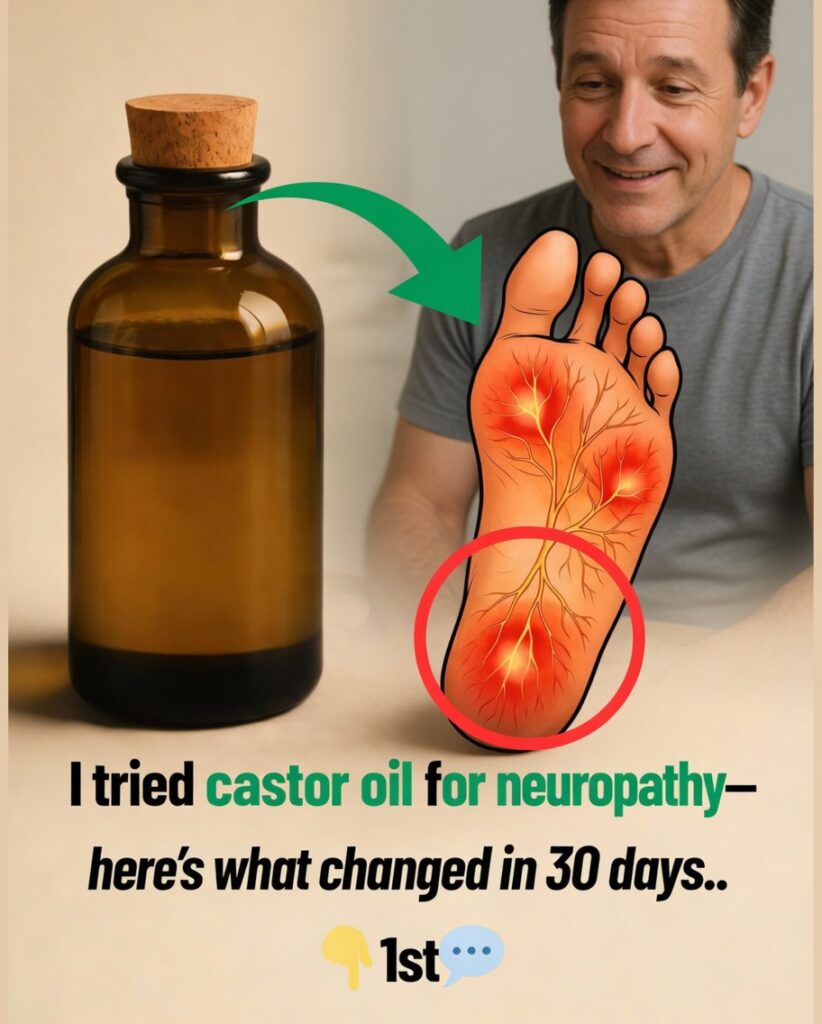
Castor Oil for Peripheral Neuropathy: A Gentle Topical Option
Peripheral neuropathy often causes uncomfortable sensations—such as tingling, numbness, burning, or pain in the hands and feet—that can make simple tasks more difficult. These symptoms may disturb sleep, limit daily activities, and lead to ongoing frustration while people search for safe, effective relief. Managing the underlying cause is essential, but many also look for gentle, natural approaches to support nerve comfort.
Castor oil, pressed from castor beans, has a long history of being used on the skin for comfort and moisturization. Its main active component, ricinoleic acid, has shown anti-inflammatory properties in research, which may indirectly support nerve-related discomfort. Below, you will find how castor oil might fit into a peripheral neuropathy care routine and how to use it safely.
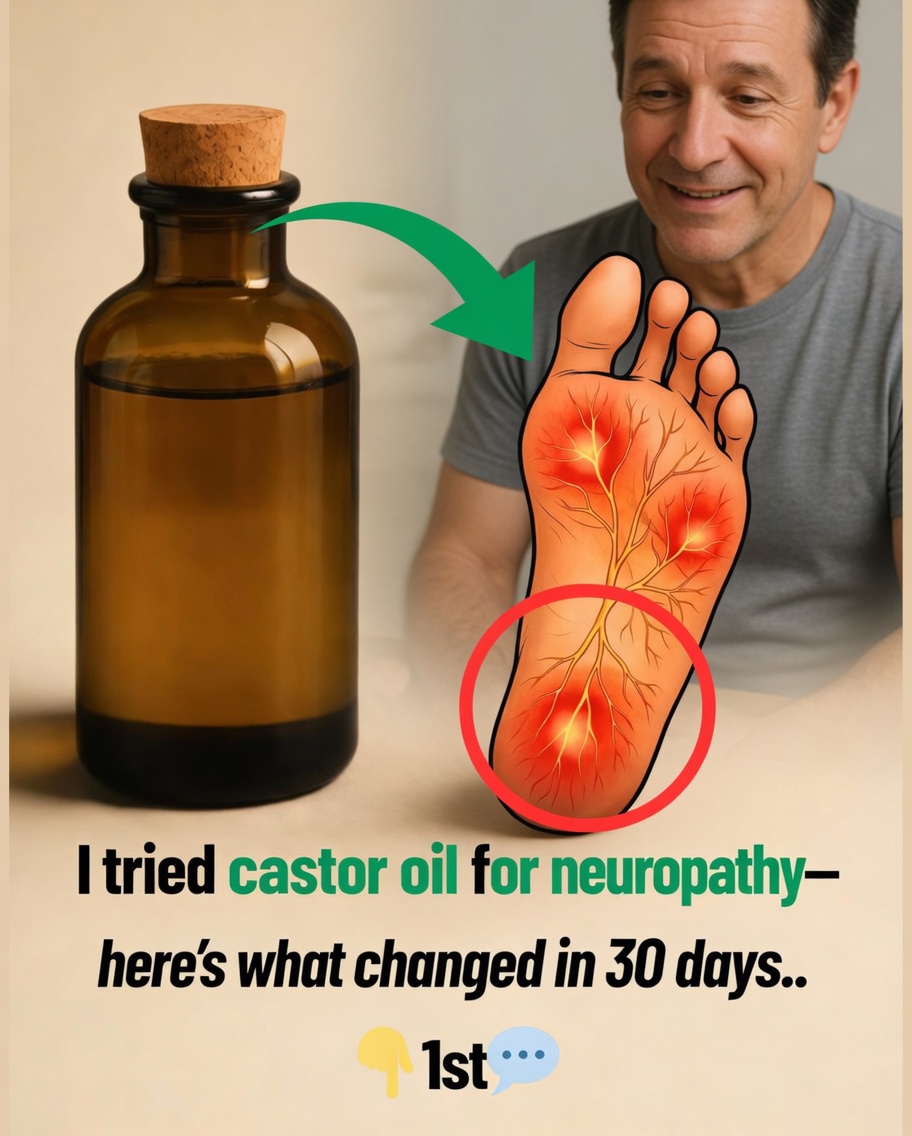
Understanding Peripheral Neuropathy and Daily Impact
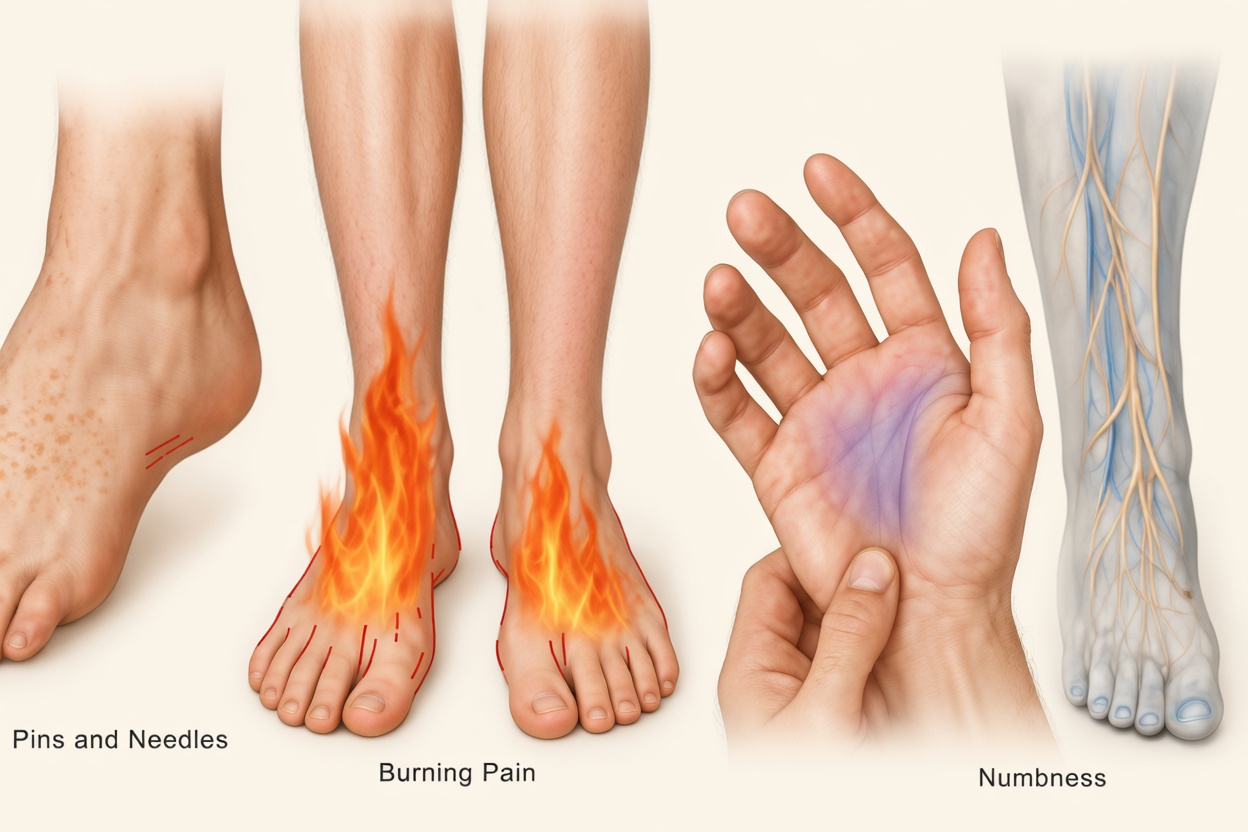
Peripheral neuropathy occurs when the nerves outside the brain and spinal cord do not function properly or their signals become disrupted. This can result in:
- Persistent tingling or “pins and needles”
- Burning or sharp, shooting pains
- Numbness or reduced sensitivity in hands and feet
- Heightened sensitivity where socks, shoes, or bedding feel irritating
For many, walking becomes uncomfortable, simple movements feel harder, and nights are spent changing positions to try to ease the sensations.
Castor oil is often discussed in this context because topical application may create a gentle warming effect, support local blood flow, and soothe irritated areas. Studies examining ricinoleic acid suggest it can influence inflammatory pathways, offering a natural option that may be used alongside conventional neuropathy treatments.
Key Properties of Castor Oil That May Support Nerve Comfort
Castor oil stands out among plant oils because it contains a particularly high concentration of ricinoleic acid, a unique fatty acid linked with anti-inflammatory and discomfort-relieving effects in animal and laboratory studies.
Active Components and Skin Benefits
Research indicates that ricinoleic acid can interact with receptors involved in pain and sensation, potentially reducing inflammatory signals that may worsen neuropathy symptoms. When castor oil is massaged into areas affected by peripheral neuropathy, it:
- Absorbs well into the skin
- Forms a moisturizing barrier over sensitive areas
- Delivers ricinoleic acid and other beneficial fatty acids
In addition to ricinoleic acid, castor oil also contains oleic and linoleic acids, which support skin integrity. Healthy, hydrated skin is important, as dryness, cracking, and irritation can intensify neuropathy-related discomfort.
Snapshot of Castor Oil’s Standout Features
- Ricinoleic Acid: Main compound associated with anti-inflammatory activity and potential pain-modulating effects
- Deep Penetration: Thick, viscous texture that allows longer contact time and good absorption compared with many lighter oils
- Moisturizing Action: Helps protect and hydrate the skin overlying affected nerves
- Gentle Warming Sensation: Many users report mild warmth that may encourage blood flow and comfort
Because of these properties, castor oil has become a popular natural option for people seeking additional support for neuropathy symptoms.
How Castor Oil May Help With Neuropathy Symptoms
While castor oil is not a cure for peripheral neuropathy, its unique profile may provide supportive benefits when used regularly on the skin.
1. Supporting Reduced Inflammation Around Nerves
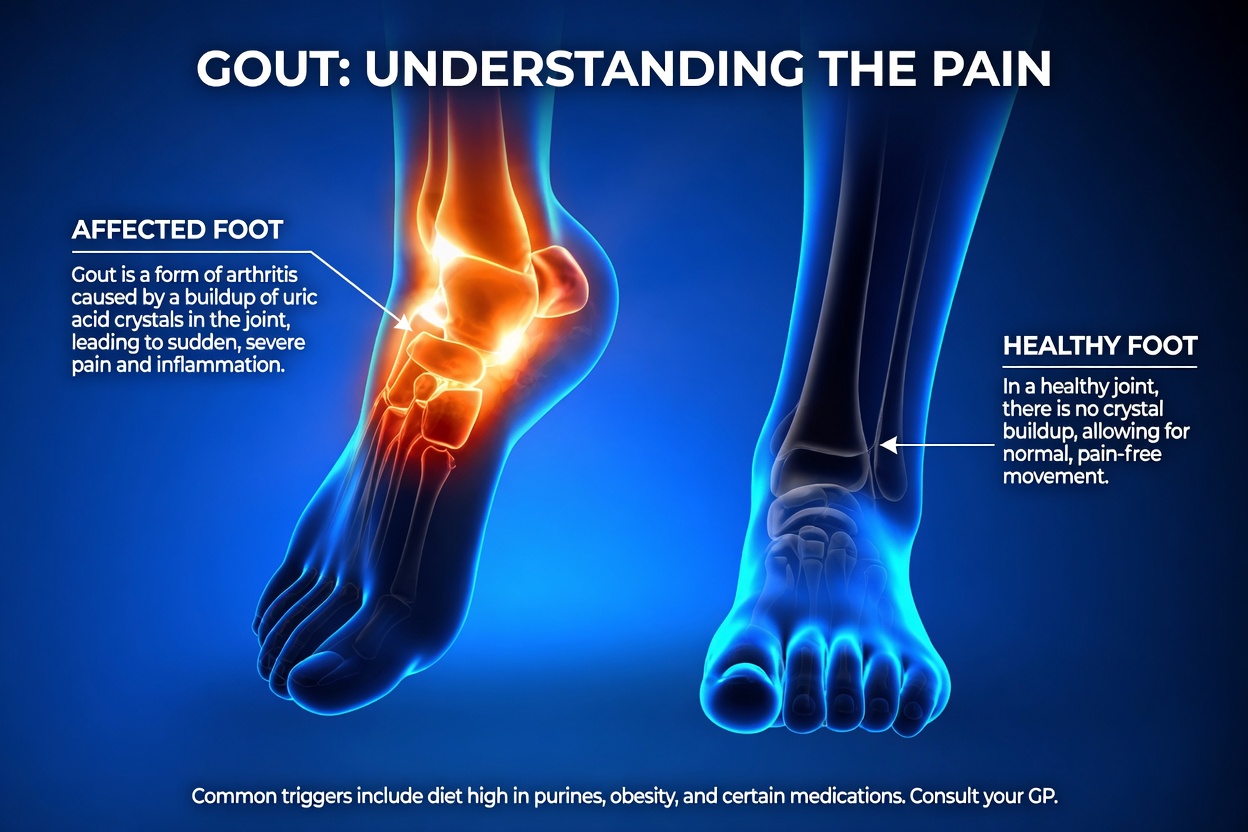
Inflammation in and around nerves can intensify neuropathy-related sensations. Studies on ricinoleic acid suggest it can help modulate prostaglandins and other inflammatory mediators.
By applying castor oil topically, some people report:
- A calmer feeling in affected areas
- Less intense tingling or burning over time
- Overall greater comfort with consistent use
2. Encouraging Better Local Circulation
The massaging action and mild warmth that often accompany castor oil application may promote local blood vessel dilation. Better circulation can help:
- Deliver more oxygen and nutrients to tissues
- Support nerve health and function
- Assist in clearing metabolic waste products
This may be particularly valuable for neuropathy in the feet and lower legs, where circulation challenges are common.
3. Soothing and Protecting the Skin
Peripheral neuropathy can be associated with dry, fragile, or cracked skin, especially on the feet. Castor oil’s rich emollient properties help to:
- Lock moisture into the skin
- Create a protective barrier against friction and irritation
- Reduce dryness that may intensify discomfort
The gentle massage involved in applying castor oil can also stimulate sensory nerves in a pleasant way, sometimes providing a soothing sensation that competes with or distracts from sharper neuropathic pain.
4. Mild Support for Pain Modulation
Laboratory research indicates that ricinoleic acid can activate some of the same pathways targeted by certain pain-relief compounds. While castor oil is not a replacement for prescribed neuropathy medications, this mechanism may help explain why many individuals find it helpful for mild aches or occasional flare-ups related to nerve pain.
How to Use Castor Oil for Neuropathy Support
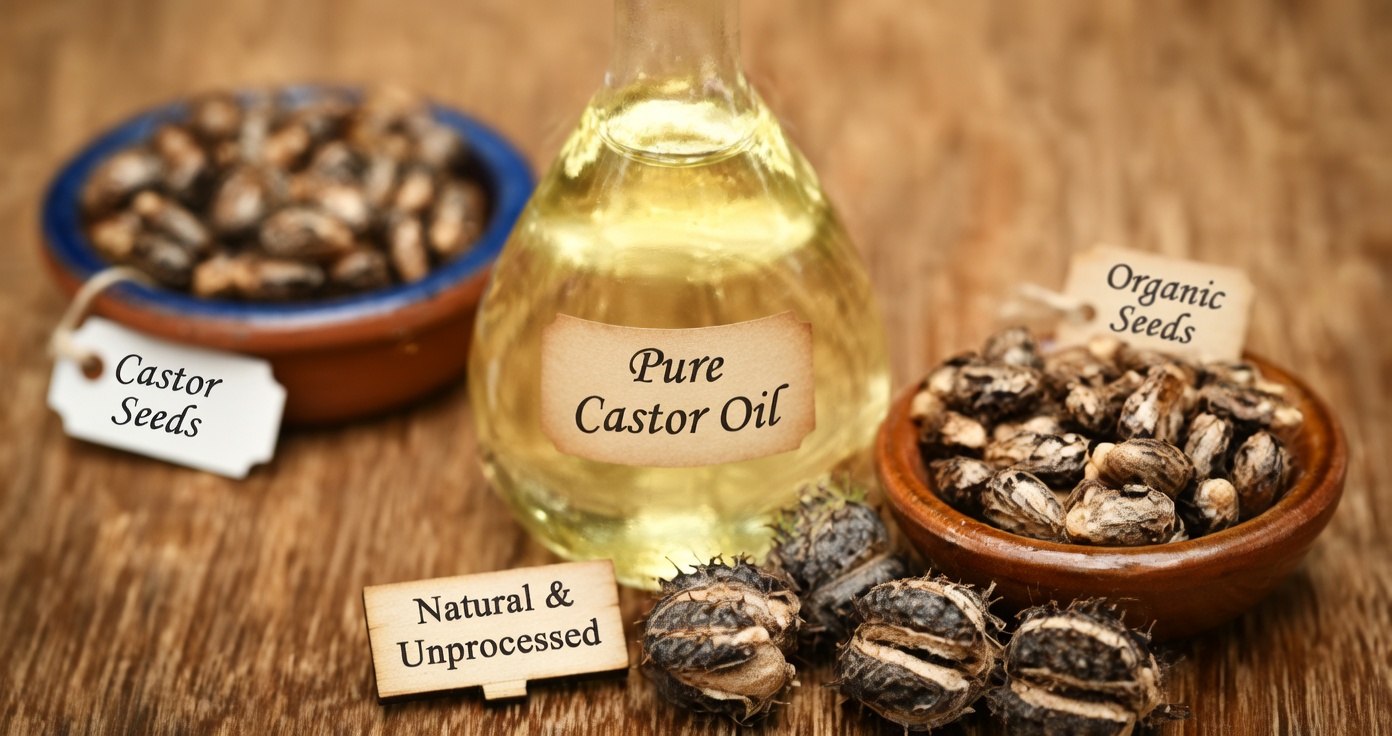
Incorporating castor oil into your routine can be simple. Choose a high-quality product for best results—ideally:
- Cold-pressed
- Hexane-free
- Organic, when possible
Basic Daily Application (Recommended Starting Point)
- Warm 1–2 teaspoons of castor oil between your palms.
- Gently massage into the feet, toes, ankles, or hands using slow, upward strokes.
- Continue for 3–5 minutes, focusing on light pressure and full coverage.
- Apply in the evening so the oil can absorb while you rest.
Week-by-Week Introduction Guide
-
Week 1:
Apply castor oil nightly to one area (for example, just the feet) to see how your skin responds. -
Week 2:
If well tolerated, extend application to both feet and/or hands. -
Week 3 and beyond:
Maintain the routine and note any changes in tingling, burning, or overall comfort.
Helpful Variations and Tips
- Mix castor oil with a lighter oil (such as coconut, jojoba, or sweet almond) if it feels too thick or sticky.
- Put on clean, old socks after applying to your feet to protect bedding and enhance absorption.
- Avoid tightly wrapping the area in plastic unless advised by a healthcare professional, as it can trap too much heat or moisture for some people.
- Always perform a patch test first: apply a small amount to the inner arm and wait 24 hours to check for irritation.
Castor Oil vs. Common Approaches to Neuropathy: Quick Comparison
The table below summarizes how castor oil compares to some typical strategies used for peripheral neuropathy relief.
| Daily Challenge | Typical Strategy | How Castor Oil Differs |
|---|---|---|
| Night-time tingling or burning | Medications or oral supplements | Provides natural topical warmth without systemic effects |
| Dry, irritated skin on feet/hands | Regular lotions or creams | Offers deeper moisturization plus anti-inflammatory fatty acids |
| Desire to support circulation | Exercise, walking, compression | Adds gentle massage-based support for local blood flow |
| Occasional sharp or shooting pains | Pain relievers (oral/topical) | Soothing application with potential receptor modulation |
| Interest in natural options | Vitamins, herbs, lifestyle | Traditional oil with emerging, research-backed properties |
Castor oil can complement, not replace, these approaches by adding a topical, skin-focused layer of support.
Important Safety Notes and Considerations
Topical castor oil is generally considered safe for most people, but individual reactions can differ.
Potential mild side effects include:
- Temporary feeling of warmth or redness
- Rare skin irritation, itching, or rash
To use castor oil safely:
- Start with small amounts and short applications.
- Avoid applying on open sores, active infections, or severely damaged skin.
- Discontinue use and consult a healthcare provider if you notice rash, swelling, or worsening discomfort.
- Talk to your doctor before use if you have significant skin conditions, poor circulation, are pregnant, or are taking medications that affect skin or blood flow.
Castor oil should be viewed as a supportive measure, not a substitute for professional evaluation and treatment of peripheral neuropathy.
Final Thoughts: A Simple, Traditional Option to Consider
For many people living with peripheral neuropathy, castor oil offers a straightforward, low-cost way to support comfort in the hands and feet. While current scientific research focuses more on its anti-inflammatory and skin-soothing properties than on direct neuropathy treatment, the combination of traditional use, anecdotal reports, and a generally good safety profile make it a reasonable option to explore.
If you are curious about castor oil for neuropathy:
- Start with a small bottle of high-quality oil.
- Apply consistently in the evening for several weeks.
- Pay attention to changes in tingling, burning, skin condition, and overall comfort.
- Use it alongside proven strategies such as blood sugar management, gentle exercise, and your healthcare provider’s recommendations.
Frequently Asked Questions
Is castor oil proven to help peripheral neuropathy?
There is promising evidence that ricinoleic acid in castor oil has anti-inflammatory and pain-modulating effects. However, large, well-controlled human studies specifically on castor oil for neuropathy are still limited. Many individuals report personal benefits when using it as part of a broader supportive care plan.
How long does it take to notice changes when using castor oil?
Experiences vary. Some people feel immediate warmth and softening of the skin, while others may notice more gradual changes in comfort over several weeks of regular nightly use. Consistency is important to assess its effect for you.
Can anyone use topical castor oil safely?
Most people can use castor oil on the skin without problems, especially when they perform a patch test first. Still, you should:
- Consult your doctor if you have sensitive skin, chronic skin conditions, diabetes-related foot issues, or poor circulation.
- Seek medical advice if you are pregnant or breastfeeding.
- Discuss use with a healthcare provider if you are on medications that affect circulation or skin integrity.
Used thoughtfully and alongside medical care, castor oil can be a gentle, natural addition to a peripheral neuropathy comfort routine.