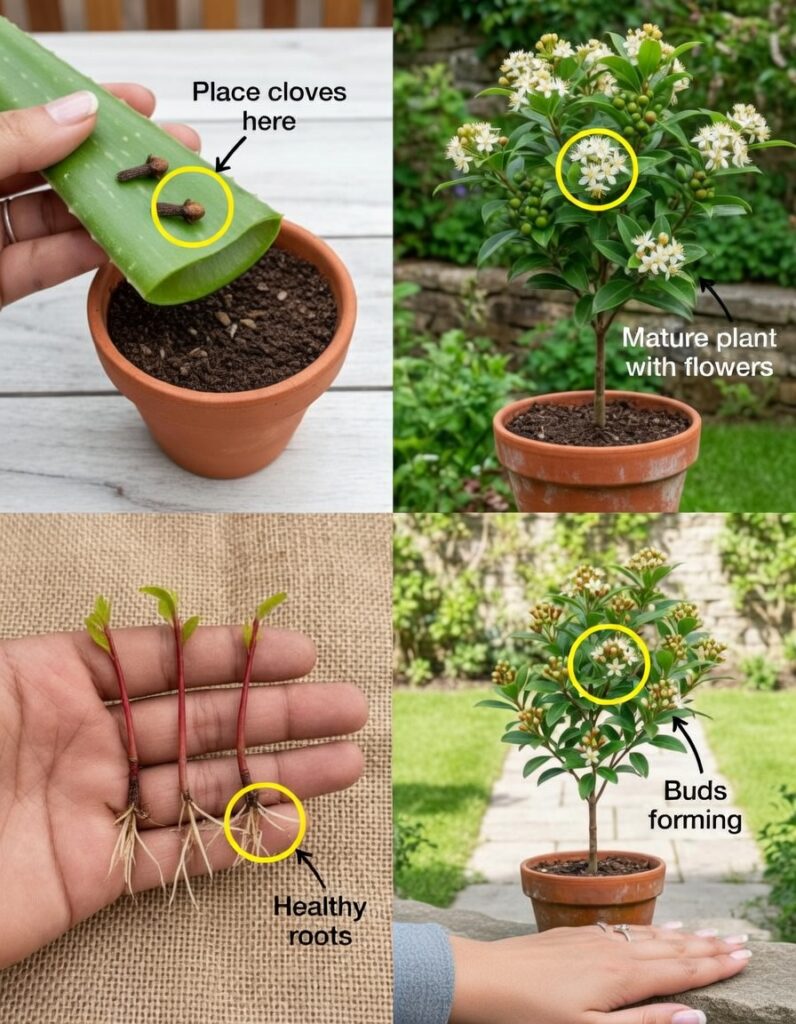
How to Grow Clove at Home: From Seed to Spice
Clove is a highly aromatic spice with a long and fascinating history, valued in kitchens and traditional medicine around the world. Beyond its culinary uses, cultivating your own clove plant at home can be an enjoyable and fragrant addition to your garden. This step-by-step guide will walk you through how to grow clove from seed all the way to dried spice, helping you achieve a successful harvest.
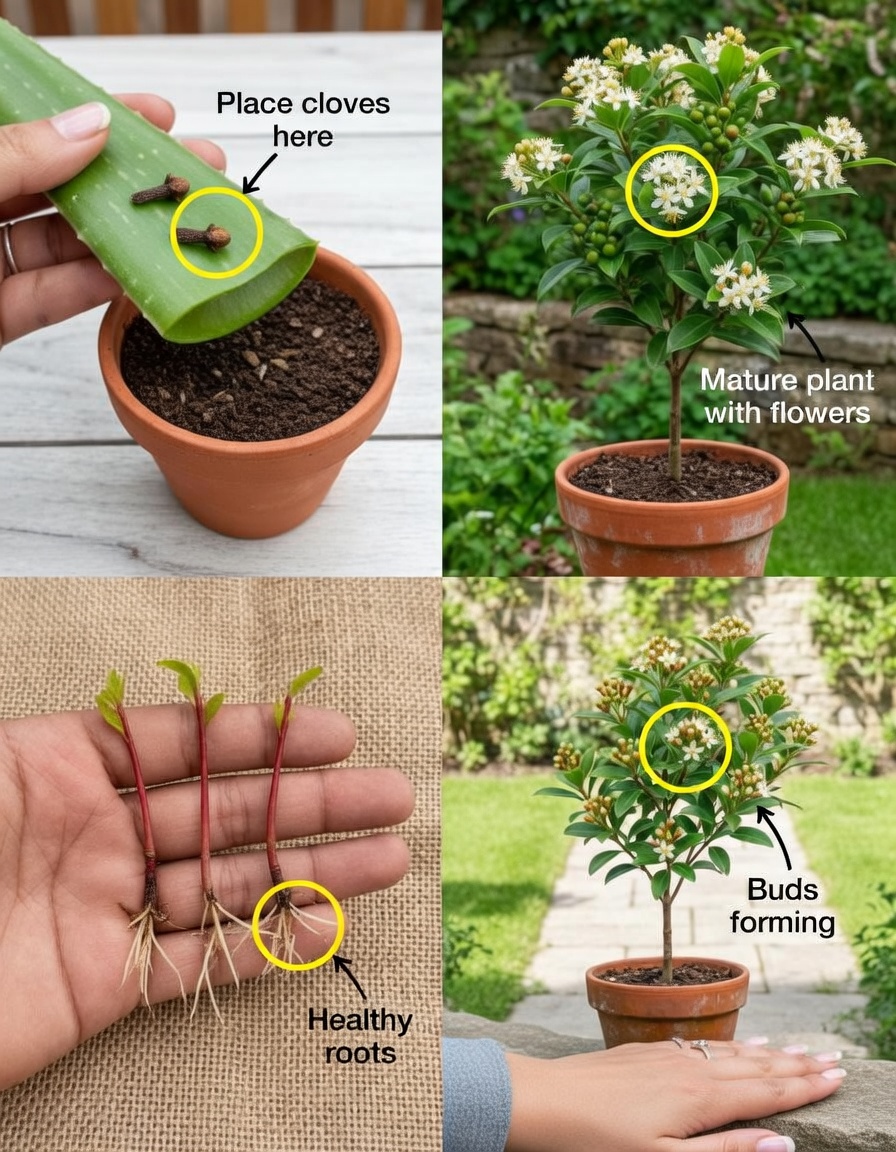
Understanding the Clove Plant
Before you start planting, it helps to know a bit about the clove tree (Syzygium aromaticum). This evergreen tree originates from the Maluku Islands in Indonesia and is famous for its intensely fragrant flower buds. These unopened buds are harvested and dried to become the cloves used in cooking, herbal remedies, and natural home remedies.
Clove trees can grow quite tall in their natural habitat, but with the right care, they can be managed in home gardens or large containers in suitable climates.
Step 1: Choosing and Sourcing Clove Seeds
The first stage in growing clove at home is obtaining fresh, viable seeds. Clove seeds are found inside the fully ripened fruits of the clove tree. However, they lose their ability to germinate quickly once removed from the fruit, which makes fresh seeds difficult to find.
For best results:
- Buy seeds from a trusted supplier who specializes in spice or tropical plant seeds.
- Look for seeds that are advertised as fresh and suitable for germination.
- Avoid old or improperly stored seeds, as they are unlikely to sprout.
Step 2: Preparing the Planting Medium
Clove seeds need a loose, fertile, and well-draining growing medium to establish strong roots. A good soil mix should hold moisture without becoming waterlogged.
Prepare your planting mix by combining:
- Organic compost (for nutrients)
- Perlite (for aeration and drainage)
- Sand (to improve drainage and soil texture)
Fill small pots or seed trays with this mixture, leaving a bit of space at the top so the seeds can be covered easily.
Step 3: Planting the Clove Seeds
Once your soil is ready, you can sow the seeds.
- Plant each clove seed about 1/2 inch (1–1.5 cm) deep.
- Space the seeds evenly so they are not competing for space and nutrients.
- Gently press the soil down to ensure good contact between the seed and the soil.
Water the soil thoroughly after planting, but make sure it’s not soggy. Excess water can cause the seeds to rot, especially at this early stage.
Step 4: Creating Ideal Growing Conditions
Clove seeds and young seedlings need warm, stable conditions to germinate and grow.
For optimal results:
- Place pots or trays in a warm spot with bright, indirect light.
- Maintain temperatures between 70°F and 85°F (21°C to 29°C).
- Keep the soil consistently moist but not waterlogged.
- Ensure good air circulation around the pots to reduce the risk of fungal diseases.
With proper warmth and moisture, the seeds should eventually sprout and develop into small seedlings.
Step 5: Transplanting the Seedlings
Once the seedlings have produced several sets of true leaves (not just the initial seed leaves), they are ready to be moved to a more permanent location.
When transplanting:
- Choose a sunny or lightly shaded area with well-drained, fertile soil.
- If planting in the ground, space clove trees about 10 feet (3 meters) apart to allow for growth.
- If growing in containers, use large pots with good drainage holes and high-quality potting soil.
Transplant the seedlings carefully to avoid damaging the roots, and water them thoroughly after planting.
Step 6: Caring for Mature Clove Plants
As your clove plants grow, they require regular but relatively simple care.
Key clove plant care tips:
- Watering: Keep the soil evenly moist, especially during dry seasons, but avoid waterlogging.
- Fertilizing: Apply a balanced, all-purpose fertilizer every few months to support steady growth.
- Pruning: Trim back branches as needed to maintain shape, improve airflow, and remove dead or diseased wood.
With proper care, clove trees will develop into strong, healthy plants capable of producing aromatic flower buds.
Step 7: Harvesting Clove Buds
Clove plants are slow to mature. They usually begin to flower and form buds after 4–5 years of growth.
When harvesting:
- Pick the flower buds when they are still closed and have turned a pinkish-red color.
- Use clean, sharp scissors or pruning shears to snip the buds from the branches.
- Take care not to damage the surrounding leaves and stems.
At this stage, the buds are at their peak in flavor and aroma and ready to be dried for use as spice.
Step 8: Drying and Storing Cloves
After harvesting, the buds must be dried properly to develop their characteristic flavor and to prevent mold.
To dry your cloves:
- Spread the fresh buds in a single layer on a clean, dry surface.
- Keep them in a warm, well-ventilated area away from direct sunlight.
- Allow them to air-dry for 1–2 weeks until they are completely hard and dry.
Once dry, store the cloves:
- In an airtight container
- In a cool, dark place, away from heat and moisture
Properly dried and stored cloves will retain their fragrance and taste for a long time.
Enjoying Homegrown Cloves
Growing clove plants from seed to spice is a long-term but highly rewarding project. With patience and consistent care, you can enjoy homegrown cloves with a rich aroma and flavor that enhances your cooking, teas, and natural remedies.
By following these steps—from sourcing seeds and preparing soil to harvesting and drying—you can successfully cultivate clove trees that provide you with fragrant, flavorful buds for many years.