
Beetroot Juice: Nutritional Properties, Benefits, and a Simple Homemade Recipe
In modern nutrition, plant-based foods are key to supporting long-term health and wellness. Among them, beetroot stands out. This vibrant red root vegetable is valued not only for its intense color but also for its high content of bioactive compounds that support many functions in the body.
From a nutritional standpoint, beetroot is considered a nutrient-dense food. It provides natural antioxidants, vitamins, minerals, and phytochemicals that play a role in essential physiological processes such as blood circulation, cellular metabolism, and digestive health.
One of the most fascinating characteristics of beetroot is its richness in betalains—antioxidant pigments responsible for its deep red hue. These compounds have been studied for their potential role in protecting cells against oxidative stress.
Beetroot also contains natural nitrates that the body can convert into nitric oxide, a molecule involved in the dilation of blood vessels that may help support healthy circulation.
For these reasons, drinking beetroot juice has become increasingly popular among people looking to incorporate more natural beverages into their daily routine.
When combined with ingredients such as carrot, apple, lemon, or ginger, beetroot can be transformed into a balanced juice that delivers vitamins, antioxidants, and natural anti-inflammatory compounds.
It is important to emphasize that no food can replace medical treatment. However, a diet rich in vegetables, fruits, and minimally processed foods can support normal body functions and contribute to overall health.
In this article, you will find a detailed look at the nutritional properties of beetroot, the potential benefits of beetroot juice, and a step-by-step recipe to prepare it at home.
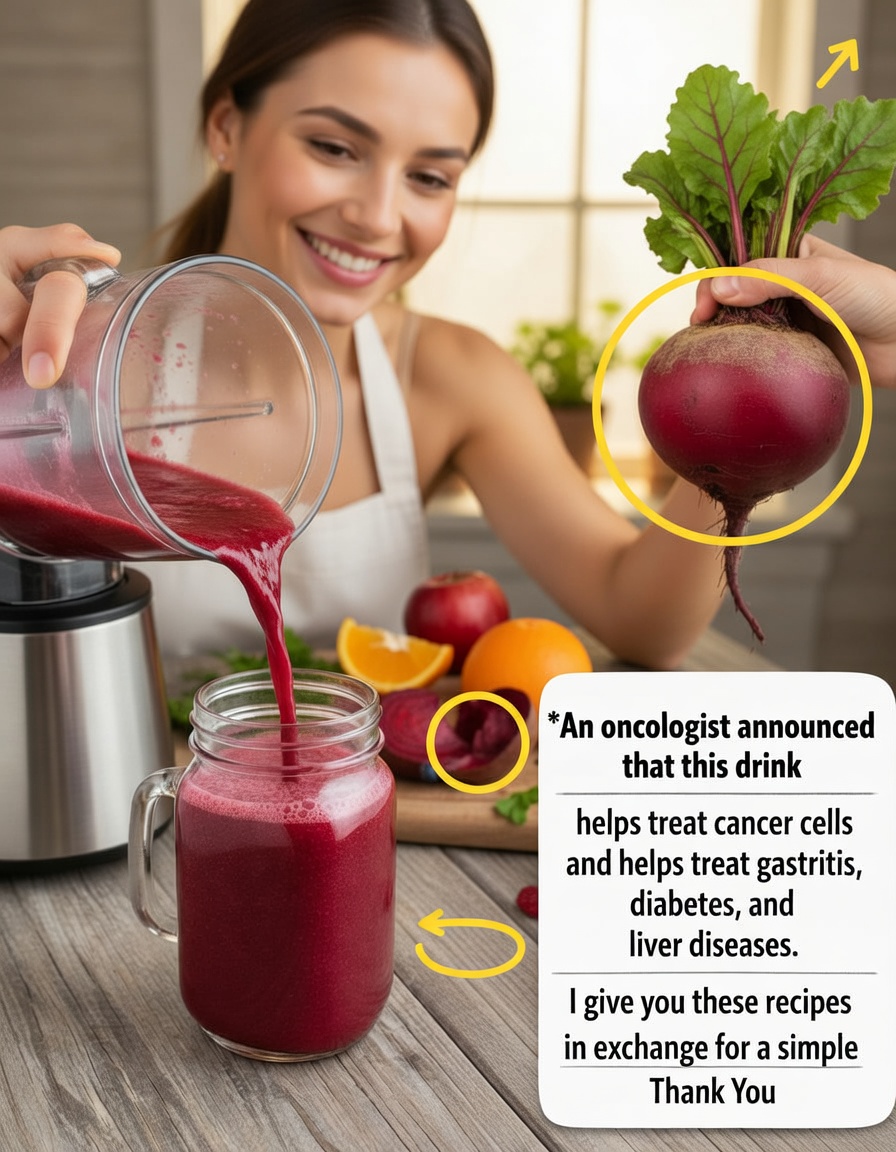
Nutritional Properties of Beetroot
Key Nutritional Components
Beetroot provides a combination of nutrients that makes it particularly interesting from a nutritional and functional perspective:
| Nutrient | Main Role in the Body |
|---|---|
| Betalains | Antioxidants that help protect cells from oxidative damage |
| Vitamin C | Supports immune function and collagen formation |
| Folic acid (B9) | Involved in cell formation and nervous system health |
| Potassium | Helps regulate fluid balance and blood pressure |
| Iron | Essential for red blood cell production |
| Dietary fiber | Supports healthy digestion and bowel function |
| Natural nitrates | May support blood flow and vascular health |
One of the most studied compounds is betanin, a specific type of betalain with antioxidant activity that may help reduce the effects of oxidative stress on the body.
In addition, folic acid (vitamin B9) plays a key role in the production of new cells and is essential for the proper functioning of the nervous system.
The potassium found in significant amounts in beetroot contributes to blood pressure regulation and supports normal muscle contraction.
Potential Health Benefits of Beetroot Juice
1. Support for Liver Function
The liver is central to the metabolism of fats, proteins, and carbohydrates and is also responsible for processing and eliminating many toxins from the body.
The antioxidant compounds in beetroot may help protect liver cells from oxidative damage, which can support the normal functioning of this vital organ.
2. Contribution to Digestive Comfort
Beetroot is a source of dietary fiber, which can help promote regular bowel movements and support digestion.
When consumed as a juice in combination with other plant-based ingredients, it becomes easier to digest and can quickly provide a variety of nutrients to the body.
3. Possible Support for Blood Sugar Balance
Some research indicates that certain components in beetroot may influence glucose metabolism.
While beetroot juice is not a substitute for medical treatment, moderate intake as part of a balanced diet may be included in nutritional strategies aimed at supporting healthy metabolic function.
4. Support for Healthy Circulation
The natural nitrates present in beetroot can be converted into nitric oxide within the body.
Nitric oxide helps promote the relaxation and dilation of blood vessels, which may support blood circulation and assist in maintaining healthy blood pressure levels.
Natural Beetroot Juice Recipe
Ingredients
- 1 medium beetroot
- 1 large carrot
- 1 red apple
- Juice of half a lemon
- 1 small piece of fresh ginger
- 1 glass of water (about 200–250 ml)
Preparation
- Wash all ingredients thoroughly.
- Peel the beetroot and carrot.
- Cut the beetroot, carrot, apple, and ginger into small pieces.
- Place all the ingredients in a blender.
- Add the water and the freshly squeezed lemon juice.
- Blend for about 40 seconds, or until smooth.
- Serve immediately for maximum freshness and nutrient retention.
How to Consume This Beverage
To make the most of the nutrients in beetroot juice, you can:
- Drink it in the morning on an empty stomach or with breakfast.
- Consume it freshly prepared, rather than storing it for long periods.
- Include it in your routine 3 to 4 times per week, as part of an overall balanced diet.
Tips to Enhance Its Positive Effects
To optimize the potential benefits of adding this juice to your diet, it is advisable to:
- ✔ Follow a balanced and varied diet
- ✔ Reduce intake of refined sugars and ultra-processed foods
- ✔ Engage in regular physical activity
- ✔ Sleep 7 to 8 hours per night
- ✔ Drink enough water throughout the day
Beetroot juice can be a useful complement, but its effects are enhanced when combined with a generally healthy lifestyle.
Precautions and Considerations
Although beetroot is considered a healthy food, a few precautions should be kept in mind:
- People with a history of kidney stones should consult a healthcare professional before significantly increasing their intake of beetroot or beetroot juice.
- Beetroot may cause a reddish color in urine or stool (a harmless phenomenon known as beeturia), which can be surprising but is usually not dangerous.
- Individuals with diabetes should consume beetroot juice in moderation and consider the total carbohydrate content as part of their overall dietary plan.
Conclusion
Beetroot is a nutrient-rich root vegetable, notable for its high content of antioxidants, vitamins, and minerals.
When enjoyed as a juice and combined with other natural ingredients like carrot, apple, lemon, and ginger, it becomes a flavorful and nutritious drink that can support overall well-being.
Incorporating this type of homemade preparation into a balanced diet is a simple way to increase the intake of essential nutrients and to contribute to maintaining good health in the long term.