
Bermuda Grass (Cynodon dactylon): More Than a Lawn Grass
Bermuda grass (Cynodon dactylon) is widely known as a tough, fast-growing lawn and turf grass—but it also has a long-standing reputation as a useful medicinal herb and an eco-friendly ground cover. Thanks to its nutrient profile and resilient root system, Bermuda grass supports both personal wellness and environmental health.
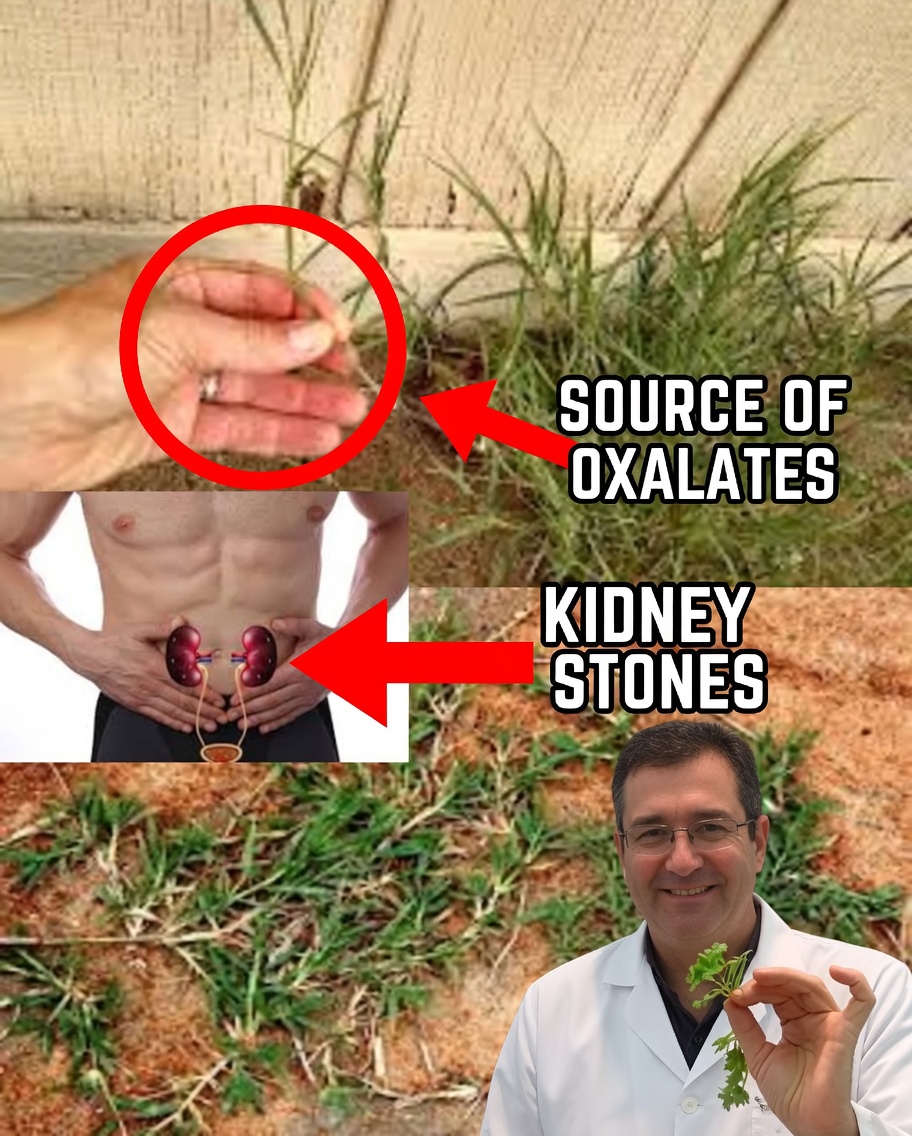
Health Benefits of Bermuda Grass
Bermuda grass is valued in traditional use for its natural compounds, including antioxidants, chlorophyll, and key vitamins. Here are some of its most talked-about wellness benefits:
- Supports immune function: Its antioxidants, along with vitamins A and C, may help the body defend itself and maintain overall resilience.
- Promotes digestive comfort: Commonly used to help soothe issues such as acidity, constipation, and discomfort linked to ulcers.
- Helps balance blood sugar: Often mentioned in wellness practices for supporting healthy glucose control and improved insulin function.
- Aids liver support and detox: Considered a gentle natural detoxifier, traditionally used to help the liver process and flush out toxins.
- Contributes to heart health: Associated with helping reduce cholesterol and encouraging better circulation.
- Assists with minor wounds and skin concerns: Its antibacterial properties are commonly noted for supporting the healing of small cuts and mild skin infections.
- Enhances hair and skin care: When applied as a juice or paste, it’s used to support skin texture and may help reduce hair fall.
Environmental Benefits of Bermuda Grass
Beyond wellness uses, Bermuda grass plays a practical role in sustainable landscaping and land protection:
- Prevents soil erosion: Its deep, dense root network helps anchor soil, making it useful on slopes and erosion-prone areas.
- Improves air quality: Like other healthy plants, it absorbs carbon dioxide and releases oxygen, supporting cleaner air.
- Cools the ground naturally: As a living ground cover, it can help lower surface temperatures, offering a greener alternative to artificial turf.
- Drought-tolerant and low maintenance: Bermuda grass can thrive with minimal watering, making it a strong option for dry or hot climates.
- Helps filter pollutants: It can support cleaner environments by helping reduce polluted runoff, limiting the flow of chemicals into rivers and lakes.
How to Use Bermuda Grass for Wellness
If you’re exploring Bermuda grass for natural health routines, these are two common approaches:
1) Bermuda Grass Juice
- Rinse a small handful of fresh Bermuda grass thoroughly.
- Blend with clean water.
- Strain the mixture and drink the liquid.
- Often taken on an empty stomach for routines focused on detox and immunity.
2) Simple Skin and Hair Mask
- Combine Bermuda grass juice with aloe vera gel.
- Apply to the skin or scalp.
- Leave on briefly, then rinse.
- Commonly used for hydration, nourishment, and a refreshed look and feel.
Final Thoughts
Bermuda grass is far more than a hardy lawn choice—it’s a versatile plant with notable health benefits and strong environmental advantages, from digestive support and skin care uses to erosion control and drought-friendly landscaping.