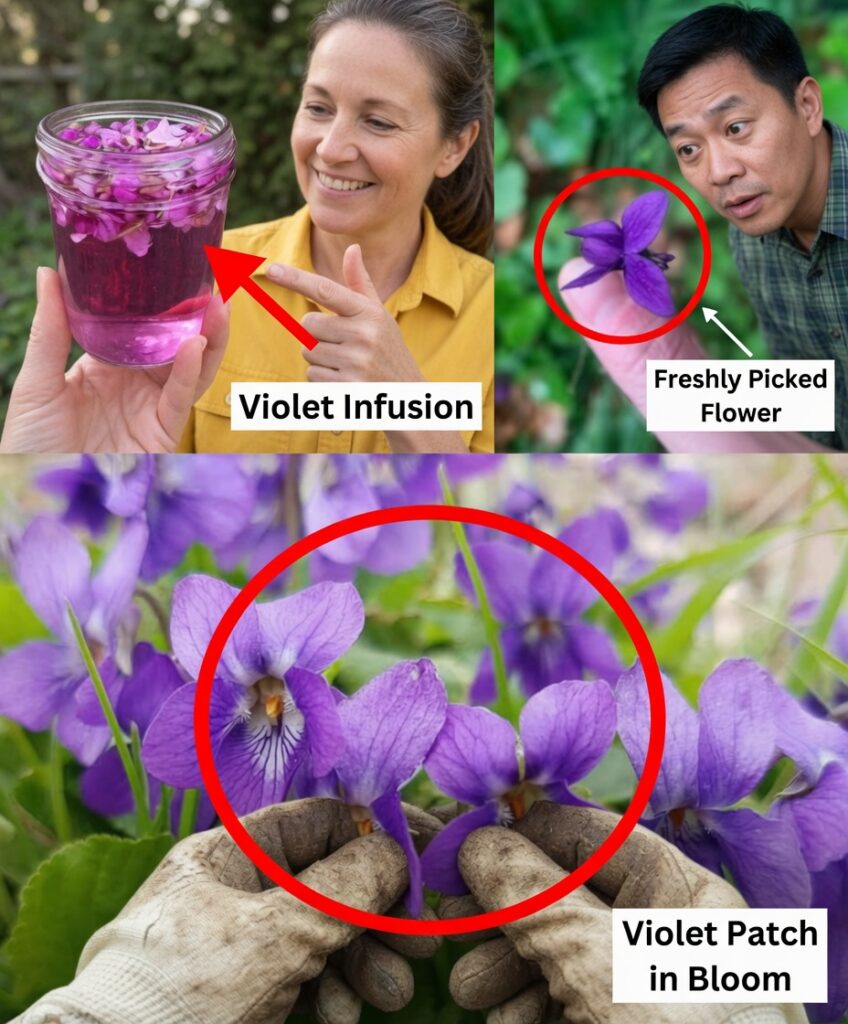
Sweet Violet (Viola odorata): Benefits, Uses, and Herbal Remedies
Sweet Violet (Viola odorata) may be small, but it has earned a big reputation in traditional herbal medicine. With its soft purple blooms and comforting fragrance, this plant has long been valued as a gentle, multi-purpose natural remedy. People have used Sweet Violet to support everything from respiratory comfort and skin care to relaxation and general wellness.
In this guide, you’ll discover 25 potential benefits of Sweet Violet and the most practical ways to use it at home.
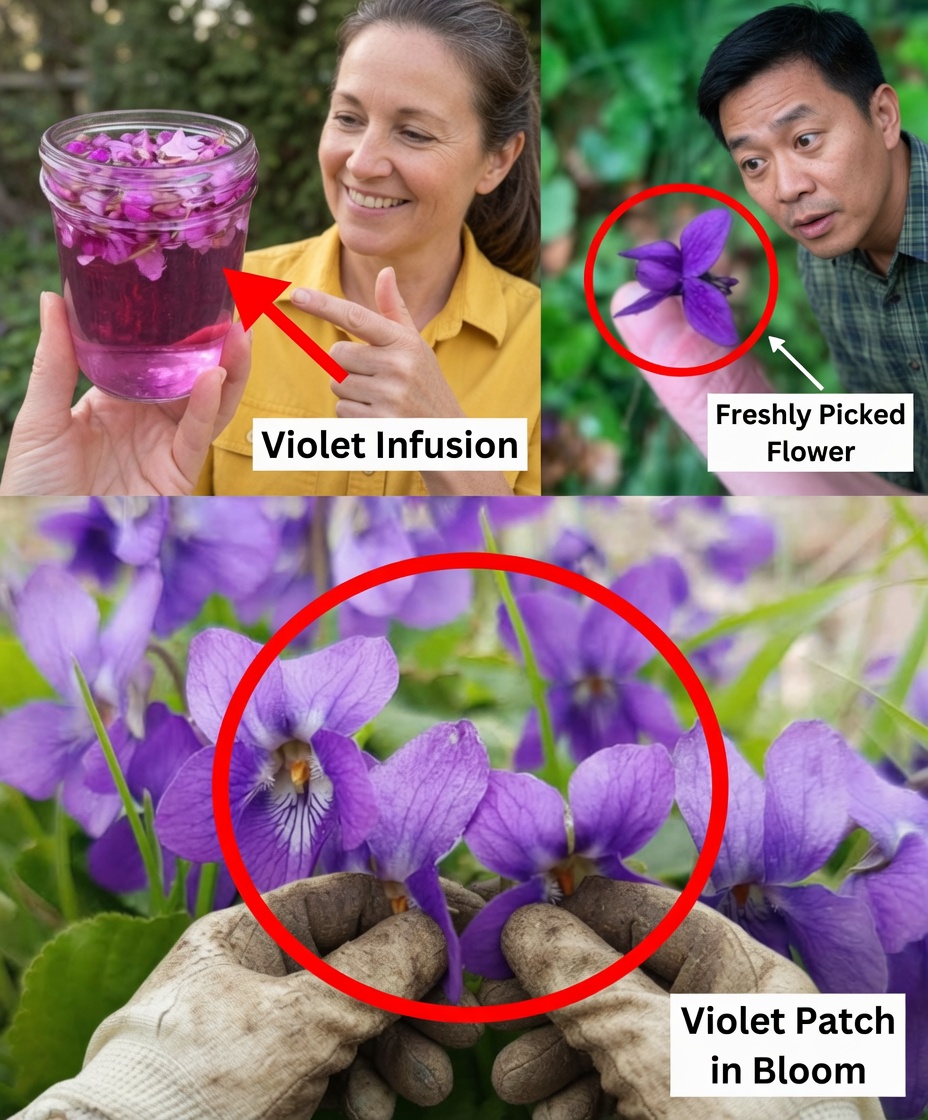
25 Potential Benefits of Sweet Violet (Viola odorata)
-
Supports respiratory health
Sweet Violet is traditionally used as an expectorant, helping loosen mucus and making coughs feel more productive—useful during colds and bronchial irritation. -
Soothes sore throats
Its naturally calming, anti-inflammatory qualities can help ease throat discomfort, especially when taken as warm tea or syrup. -
Helps calm persistent coughs
Sweet Violet has been used as a mild, natural cough soother, particularly for dry or nagging coughs. -
Eases sinus congestion
Many herbal traditions use it to support clearer nasal passages, which may be helpful during allergies or sinus pressure. -
May help reduce fever
Sweet Violet is sometimes used as a gentle febrifuge, encouraging perspiration to support the body during feverish states. -
Supports lymphatic flow
It’s often used to encourage lymphatic movement, which can aid natural detox processes and help with swollen glands. -
Offers anti-inflammatory support
Sweet Violet contains plant compounds linked with inflammation balance, potentially benefiting joint stiffness or inflammatory discomfort. -
Provides mild pain relief
Traditional use includes easing minor aches, such as headaches and general body soreness. -
Promotes healthier-looking skin
Rich in antioxidants, Sweet Violet is commonly used in herbal skin care for acne-prone, irritated, or inflamed skin. -
Supports minor wound care
Its gentle antiseptic reputation makes it a popular addition to salves and washes for small cuts, minor burns, and scrapes. -
Relieves itchiness and irritation
Violet-infused oils or creams may help calm itching from insect bites or sensitive skin flare-ups. -
Supports heart and circulation health
The plant’s flavonoids are associated with circulatory support and may help maintain healthy blood pressure levels. -
Encourages digestive comfort
Sweet Violet is sometimes used for mild constipation support and to promote smoother digestion. -
May soothe stomach irritation
Its mucilage content can coat and calm the digestive lining, which may be helpful for ulcer-related discomfort. -
Helps with stress and nervous tension
Sweet Violet has a long-standing reputation as a calming herb that supports emotional ease. -
Supports better sleep quality
A warm cup of violet tea in the evening may help the body relax and settle into sleep more easily. -
Supports immune function
Naturally containing vitamins such as A and C, Sweet Violet is traditionally used to help the body defend itself during seasonal challenges. -
Promotes urinary tract wellness
As a mild diuretic, it may support healthy urine flow and help cleanse the kidneys and bladder. -
Eases menstrual discomfort
Sweet Violet tea or topical preparations are sometimes used to help reduce cramping and bloating. -
Supports liver detox pathways
Herbal traditions include Sweet Violet as a gentle support for liver function and the body’s natural cleansing systems. -
May encourage healthier hair
Violet-infused rinses and oils are used to nourish the scalp and support stronger hair growth over time. -
Supports oral hygiene
Gargling cooled violet tea may help soothe gum irritation and improve breath freshness. -
Traditionally considered a mild aphrodisiac
Historically, Sweet Violet has been linked to relaxation and mood-lifting qualities that may support intimacy. -
Helps with bruising and swelling
A leaf-and-flower poultice is a classic folk remedy for reducing puffiness and speeding bruise recovery. -
May offer antioxidant protection
Early research and traditional use suggest violet’s antioxidants may contribute to cellular protection and may play a role in long-term disease prevention, including cancer risk reduction.
How to Use Sweet Violet Effectively
1. Sweet Violet Tea
- How to make it: Steep 1–2 teaspoons of dried Sweet Violet flowers in hot water for about 10 minutes, then strain.
- Best for: Coughs, respiratory support, digestion, immune support, relaxation.
2. Sweet Violet Syrup
- How to make it: Simmer a handful of fresh flowers in water, strain, then blend with honey.
- Best for: Sore throats, cough relief, fever support.
3. Sweet Violet Infused Oil
- How to make it: Add fresh or dried violet flowers and leaves to a jar, cover with a carrier oil (such as olive or coconut), and infuse for 2 weeks.
- Best for: Skin care, inflammation support, bruises, scalp and hair use.
4. Poultice for Skin and Swelling
- How to make it: Crush fresh leaves and flowers into a paste and apply to the area of concern.
- Best for: Insect bites, bruises, minor swelling, irritated skin.
5. Sweet Violet Bath
- How to make it: Add a handful of dried or fresh flowers to warm bathwater and soak.
- Best for: Stress relief, relaxation, muscle comfort.
6. Violet Tea Gargle
- How to make it: Brew a strong tea, cool it completely, and gargle as needed.
- Best for: Gum support, throat comfort, fresher breath.
7. Violet-Infused Honey
- How to make it: Place fresh violet flowers in a jar, cover with raw honey, and let it sit for about 2 weeks.
- Best for: Coughs, sore throats, immune support.
Disclaimer
This content is provided for educational purposes only. Sweet Violet benefits are based on traditional herbal use and limited scientific research, and individual results can vary. Consult a qualified healthcare professional before using Sweet Violet—especially if you are pregnant, breastfeeding, have a medical condition, or take prescription medications.
Final Thoughts
Sweet Violet (Viola odorata) is a gentle yet versatile herb with a long history in natural wellness and beauty routines. Whether you choose tea, syrup, infused oil, or a soothing poultice, it offers a wide range of traditional uses worth exploring—especially for beginners interested in herbal remedies.