Asthma Plant Tea (Euphorbia hirta): Benefits, Uses, and Preparation
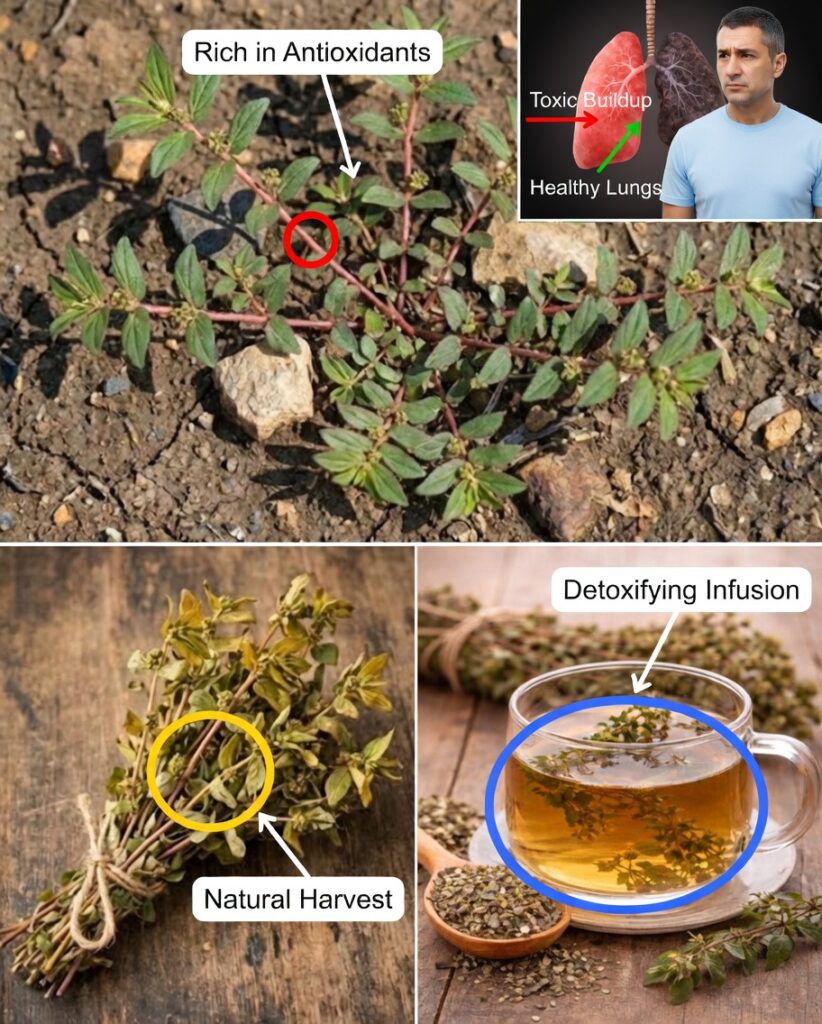
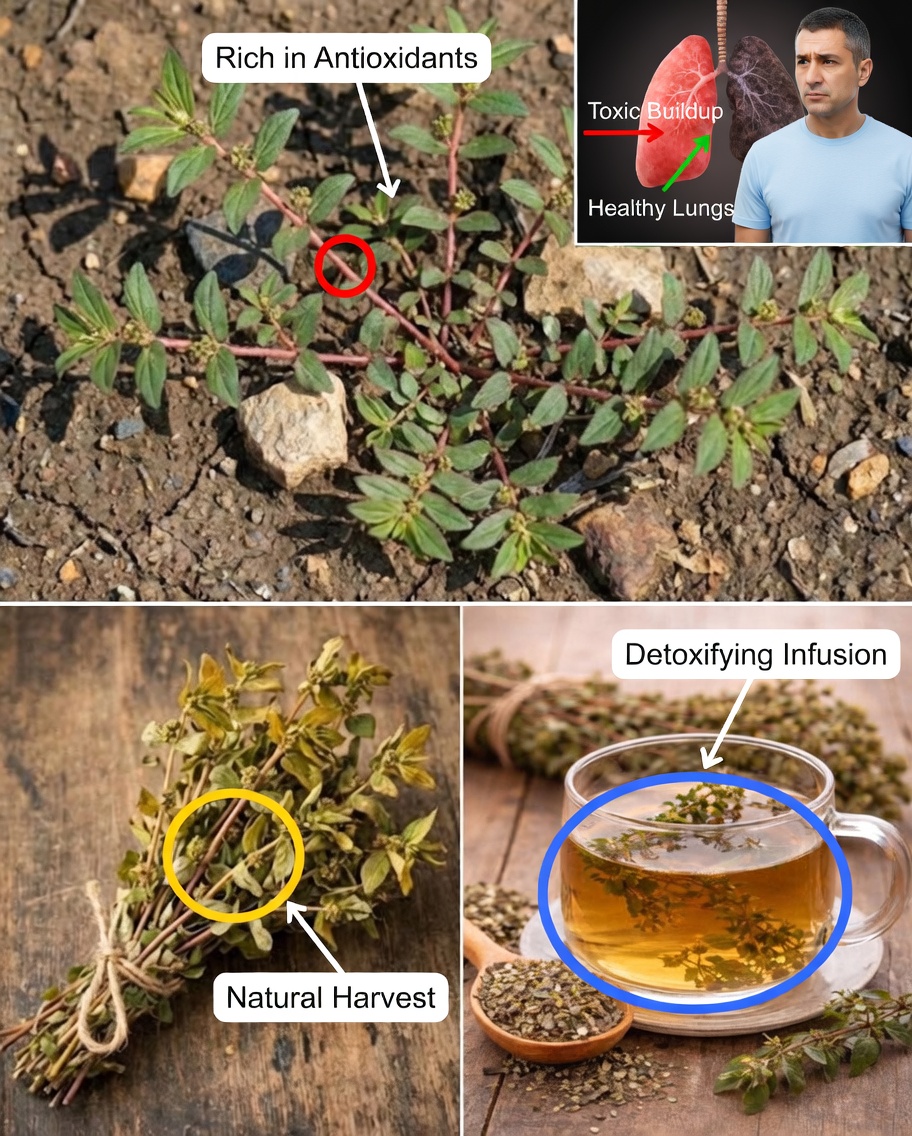
Asthma plant (Euphorbia hirta) is a traditional medicinal herb widely used across Asia, Africa, and other tropical regions. It is also known as snakeweed, tawa-tawa, and gatas-gatas. The plant is especially valued for its powerful effects on respiratory health, which is why it is commonly called the “asthma plant.” It has long been used to help manage asthma, bronchitis, coughs, and other lung-related issues.
One of the easiest and most popular ways to use this herb is by making Asthma Plant Tea, a natural remedy known for its wide range of health-supporting properties.
Key Benefits of Asthma Plant Tea
1. Supports Respiratory Health
- Traditionally used to ease asthma symptoms, including wheezing and chest tightness.
- Acts as a natural bronchodilator, helping to relax and open the airways for easier breathing.
- Commonly used for coughs, bronchitis, and other respiratory discomforts, including allergy-related breathing issues.
2. Natural Expectorant
- Helps loosen and expel mucus and phlegm from the lungs and airways.
- Can calm persistent coughing by soothing irritated respiratory passages.
3. Anti-inflammatory and Antiviral Properties
- Rich in compounds such as flavonoids and triterpenoids, which have notable anti-inflammatory effects.
- In traditional medicine, particularly in the Philippines and India, it has been used during viral infections like dengue fever to help support platelet levels.
4. Anti-allergic Support
- May help relieve symptoms of allergic rhinitis and hay fever.
- Can assist in calming certain skin allergies by supporting a more balanced immune response.
5. Mild Diuretic and Natural Detox Support
- Encourages urine production, helping the body flush out waste products and toxins.
- Traditionally used to support urinary tract health and kidney function.
6. Antibacterial and Antifungal Actions
- Shows activity against various bacteria and fungi that can cause infections in the digestive tract and on the skin.
- Used in folk medicine to help address intestinal worms and digestive disturbances such as dysentery.
7. Wound Healing and Skin Care
- When applied externally, the plant or its tea can be used as a wash or compress for minor wounds, rashes, and insect bites.
- Helps soothe irritated skin and may support faster healing.
How to Make Asthma Plant Tea
Ingredients
- 1–2 teaspoons of dried Euphorbia hirta leaves, or
- 1 small handful of fresh plant (leaves and stems)
- 1–2 cups of freshly boiled water
- (Optional) Honey or lemon to improve flavor
Instructions
- If using the fresh plant, wash the leaves and stems thoroughly to remove dirt and impurities.
- Place the dried or fresh plant material in a cup or teapot.
- Pour 1–2 cups of boiling water over the herb.
- Cover and let it steep for about 10–15 minutes.
- Strain the tea to remove the plant material.
- Sweeten with honey or add a splash of lemon if desired.
- Drink 1–2 cups per day for about 7–10 days as part of a natural healing routine.
Precautions and Safety Tips
- Do not overuse: Euphorbia hirta contains a latex-like sap and can be quite potent in large amounts. Stick to moderate doses.
- Avoid during pregnancy and breastfeeding unless supervised by a qualified healthcare professional.
- Source carefully: Only harvest or buy plants from clean, chemical-free areas. Do not use plants growing near roads, industrial zones, or polluted locations.
- Consult your doctor if you are on medication for asthma, heart disease, kidney issues, or other chronic conditions before using Asthma Plant Tea. It should not replace prescribed treatments.
Final Thoughts
Asthma Plant Tea made from Euphorbia hirta is a powerful traditional remedy known for its benefits to the lungs, immune system, and overall health. When used responsibly and in moderation, it can provide gentle yet effective support for conditions such as asthma, coughs, bronchitis, and minor infections. For anyone interested in natural remedies and herbal medicine, this humble plant can be a valuable addition to a home wellness toolkit.