
Papaya Seeds: Tiny Powerhouses You Might Be Throwing Away
Most people scoop out the small black seeds from a ripe papaya and toss them straight into the trash. Yet these little seeds are surprisingly rich in fiber, healthy fats, and potent plant compounds that may support your health in a variety of ways. Early research suggests they could offer antioxidant benefits, aid digestion, and more—making papaya seeds an underrated part of this tropical fruit.
You don’t have to eat a lot to explore the potential advantages. A small daily amount may be enough to make a difference. Below you’ll find 17 possible health benefits of papaya seeds, simple ideas for using them safely, and a step-by-step guide to preparing them at home.

What Makes Papaya Seeds So Unique?
Papaya seeds contain a mix of bioactive compounds, including:
- Carpaine
- Benzyl isothiocyanate
- Flavonoids
- Polyphenols
These substances are being studied for their potential roles in supporting digestion, reducing oxidative stress, and promoting overall wellness. While traditional medicine has used papaya seeds for generations, modern research is only beginning to confirm some of these uses, and more human studies are still needed.
17 Potential Health Benefits of Papaya Seeds
Based on current research and traditional use, here are 17 ways papaya seeds may support your health:
-
Antioxidant Protection
Papaya seeds are packed with polyphenols and flavonoids, plant-based antioxidants that help neutralize free radicals. This may reduce oxidative stress and support the health of your cells and tissues. -
Support for Digestion
The enzyme papain, found in papaya and its seeds, can help break down proteins in food. This may promote smoother digestion and ease occasional feelings of heaviness or bloating after meals. -
Better Gut Regularity
Their natural fiber content helps keep bowel movements regular and contributes to a healthier gut environment, which is essential for overall digestive health. -
Traditional Anti-Parasitic Use
Some research, including a study in children, suggests that papaya seeds may help reduce certain intestinal parasites when used in traditional preparations. However, evidence is still limited, and professional guidance is important. -
Liver Health Support
Animal studies indicate that compounds in papaya seeds may help shield liver cells from oxidative damage and support the liver’s natural detoxification and cleansing processes. -
Kidney Protection
Research in animals suggests papaya seed extracts may help protect kidney tissue by lowering inflammation and oxidative stress, potentially supporting overall kidney function. -
Mild Anti-Inflammatory Effects
Bioactive compounds in the seeds may help calm low-grade inflammation in the body, which is linked to many chronic conditions. -
Antibacterial Properties
In laboratory studies, papaya seed extracts have shown activity against certain types of bacteria, suggesting a possible role in helping to maintain a healthy microbial balance. -
Heart and Cholesterol Support
The combination of fiber and healthy fats in papaya seeds may contribute to healthier cholesterol levels when eaten as part of a balanced diet, supporting cardiovascular wellness. -
Immune System Support
Papaya seeds provide vitamin C and other nutrients that help maintain normal immune function and support your body’s natural defenses. -
Skin Health Benefits
By combatting oxidative stress, the antioxidants in papaya seeds may indirectly support healthier-looking skin and protect it from everyday environmental damage. -
Blood Sugar Balance
Some preliminary findings suggest that compounds in papaya seeds may help maintain more stable blood sugar levels, especially when combined with a generally healthy lifestyle and diet. -
Support for Weight Management
Their fiber content can help you feel fuller for longer, which may make it easier to control portion sizes and reduce unnecessary snacking. -
Natural Detox Support
The seeds appear to assist the body’s natural detox pathways, particularly in the liver and kidneys, helping them process and eliminate waste more efficiently. -
Freshening Oral Health
Due to their antibacterial effects, papaya seeds may help reduce odor-causing bacteria in the mouth, contributing to fresher breath when used cautiously. -
Potential Anti-Cancer Activity
In test-tube and lab studies, certain compounds from papaya seeds have been shown to slow the growth of specific cancer cells. These are early findings, and there is not enough human research yet to draw firm conclusions. -
Overall Wellness Boost
When used in moderation alongside a balanced diet, papaya seeds can add extra nutrients, antioxidants, and fiber, supporting general vitality and everyday health.
How to Use Papaya Seeds Safely
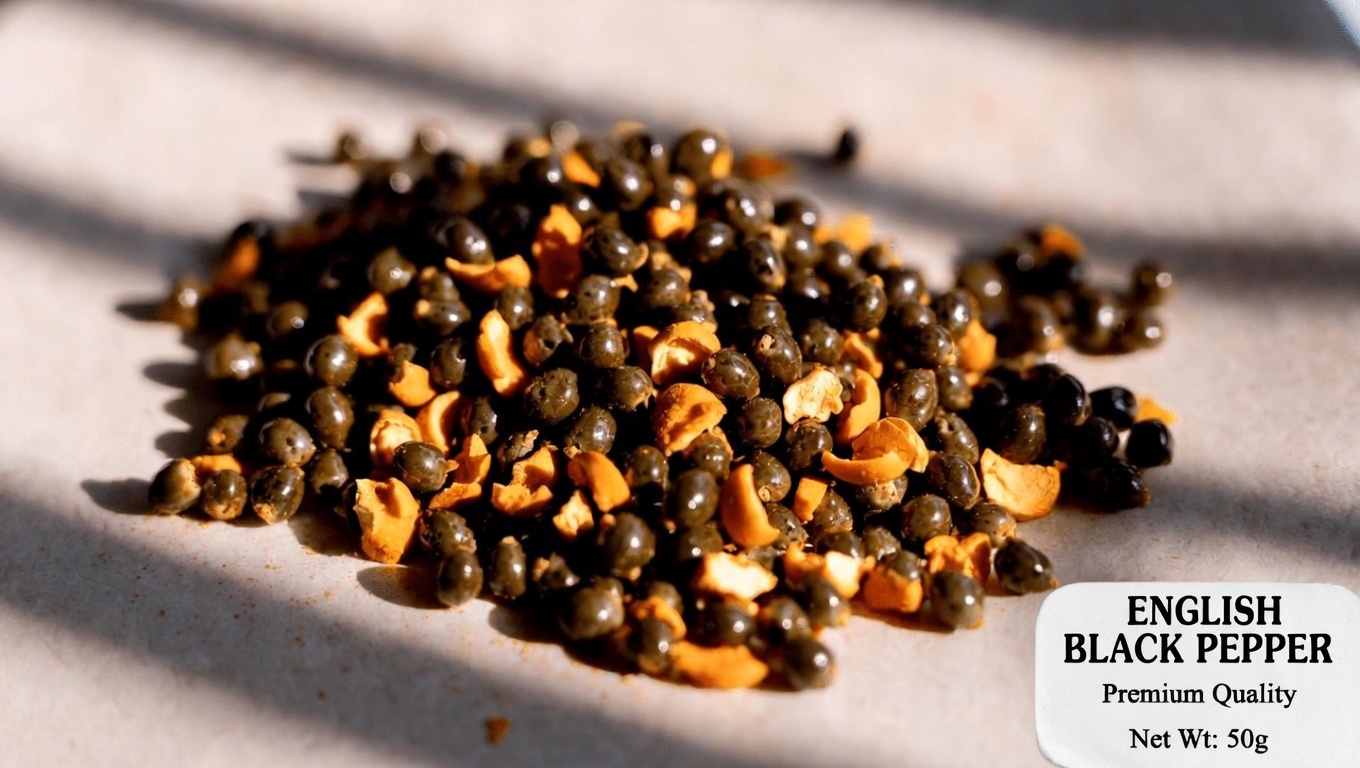
Because papaya seeds are quite potent and have a strong, peppery taste, it’s important to introduce them slowly and use them in moderation.
Recommended Daily Amount
- Start with: ½–1 teaspoon per day (about 5–10 seeds).
- Increase gradually only if you tolerate them well.
- Do not exceed: 1–2 teaspoons per day on a regular basis.
If you notice any digestive discomfort, reduce the amount or pause use and speak with a healthcare professional.
Step-by-Step Guide to Preparing Papaya Seeds
-
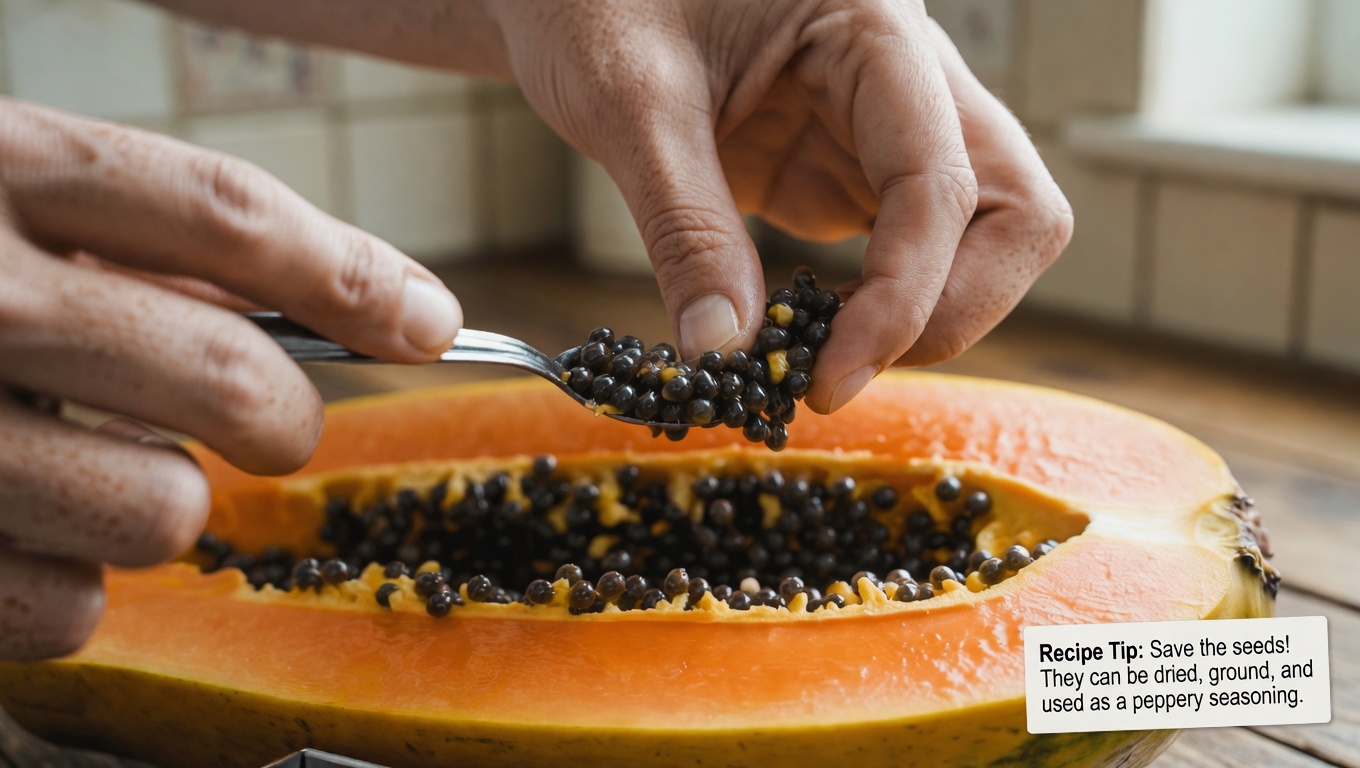
Scoop the Seeds
Cut a ripe papaya in half and scoop out the black seeds with a spoon. -
Rinse Thoroughly
Place the seeds in a strainer and rinse under cool running water to remove any remaining fruit flesh. -
Dry the Seeds
Pat them dry gently with a paper towel or clean cloth. -
Eat Fresh or Dry Them
- To enjoy fresh, eat a few seeds immediately, either whole or lightly crushed.
- To dry: Spread the seeds on a baking sheet and place in a low oven at about 150°F (65°C) for 2–4 hours, until they are completely dry and crisp.
-
Grind into a Powder (Optional)
Once fully dry, grind the seeds in a spice grinder or mortar and pestle to create a fine powder that’s easy to sprinkle on foods.
Easy Ways to Add Papaya Seeds to Your Diet
- Sprinkle a small amount of ground papaya seeds over salads, soups, or roasted vegetables.
- Stir into yogurt, oatmeal, or smoothie bowls for a subtle, peppery kick.
- Blend into smoothies as a light spice note.
- Use as a pepper substitute in dressings, marinades, or sauces.
- Mix with honey or herbal tea for a gentle, warming infusion.
Frequently Asked Questions About Papaya Seeds
Are papaya seeds safe to eat every day?
They can be safe for most healthy adults in small amounts (about 1 teaspoon or less per day). Always start with a very small serving to see how your body reacts, and avoid long-term high intake. If you have any health conditions or are pregnant, breastfeeding, or taking medication, consult your healthcare provider first.
What do papaya seeds taste like?
Papaya seeds have a sharp, peppery, and slightly bitter flavor, often compared to black pepper or a mild horseradish. Many people use them as a natural spice.
Can children eat papaya seeds?
Because of their strong properties and the risk of choking on whole seeds, it’s important to talk with a pediatrician before giving papaya seeds to children. If approved, they should be offered only in very small, age-appropriate amounts and preferably ground.
Final Thoughts
Papaya seeds are more than just leftovers from a tropical fruit—they’re a nutrient-dense ingredient with a growing list of potential health benefits. When used thoughtfully and in moderation, they may support digestion, liver and kidney function, immune health, and overall wellness.
If you’re curious about the health benefits of papaya seeds, start with a tiny daily dose, pay attention to how you feel, and always check with a healthcare professional if you have any concerns. Over time, this simple habit could become a powerful addition to your healthy eating routine.