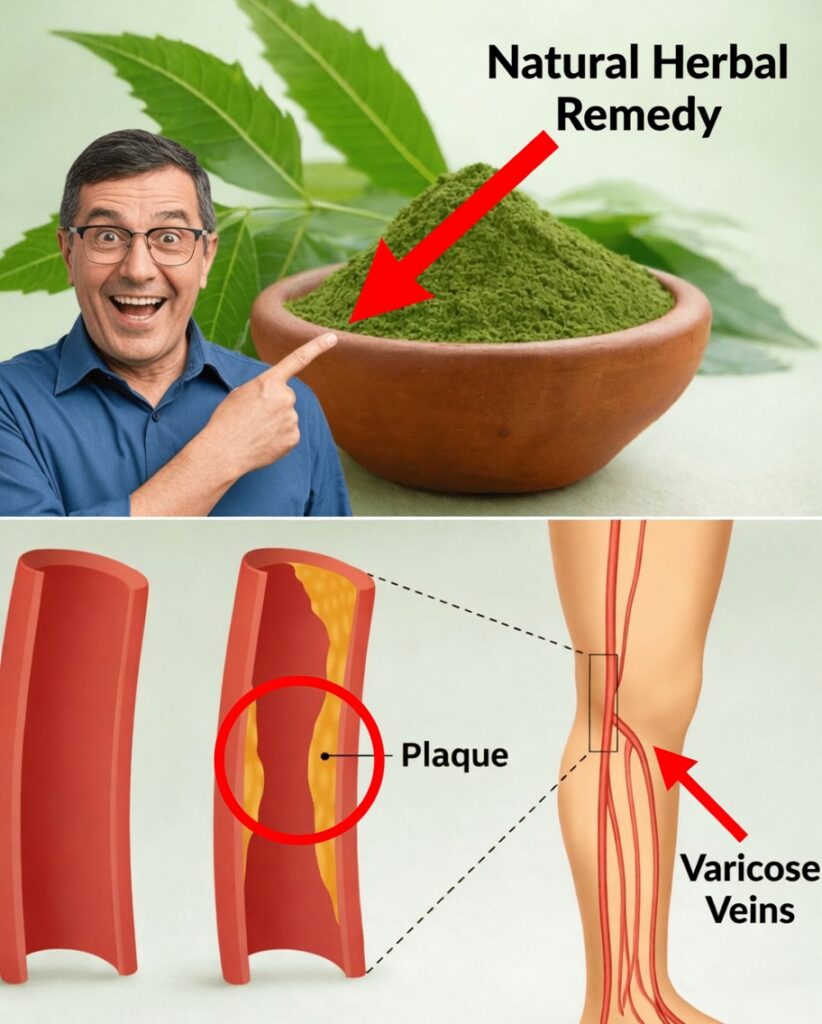
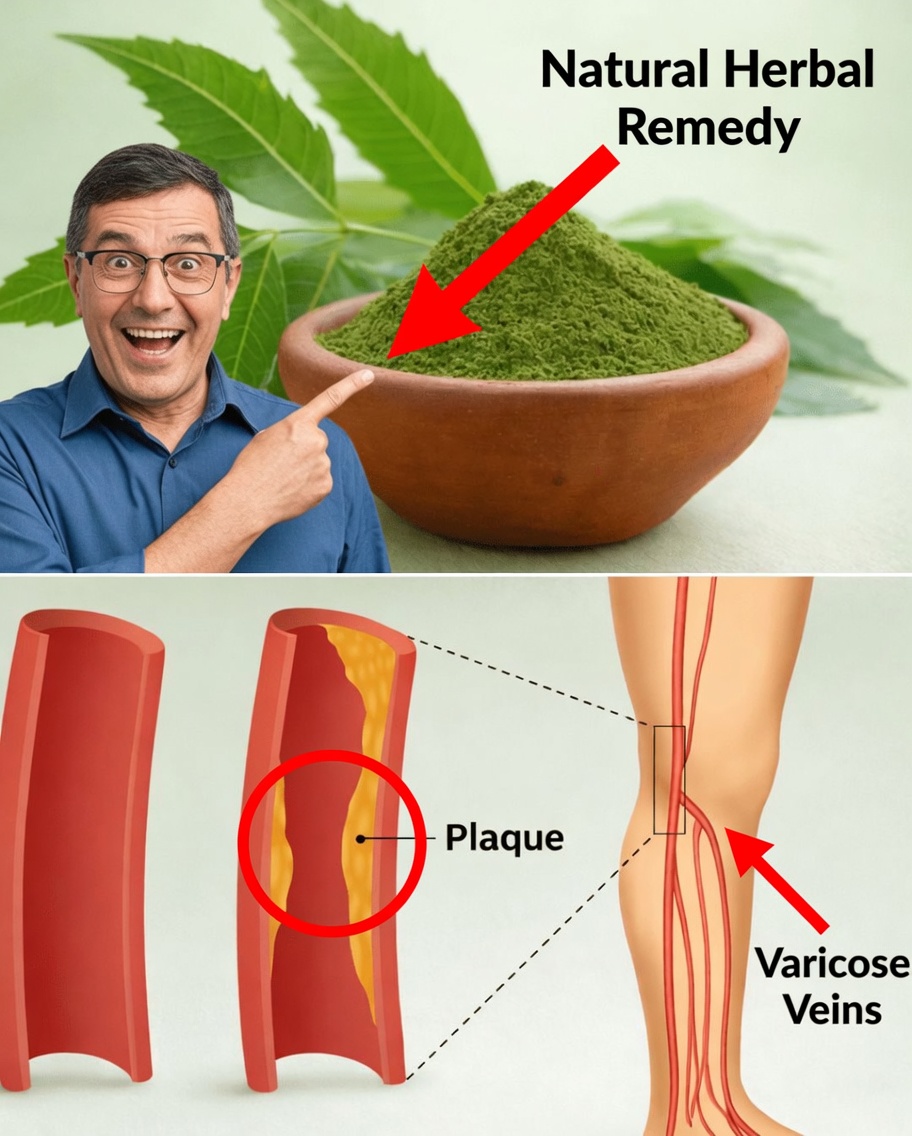
Many adults over 60 find themselves quietly juggling several “slow-burn” health concerns at once: gradually rising blood sugar, higher blood pressure, persistent joint stiffness, stubborn cholesterol numbers, or circulation issues that make the legs and feet feel cold or heavy. It’s also common to rely on multiple daily prescriptions—helpful, yet sometimes accompanied by tiredness or other day-to-day frustrations.
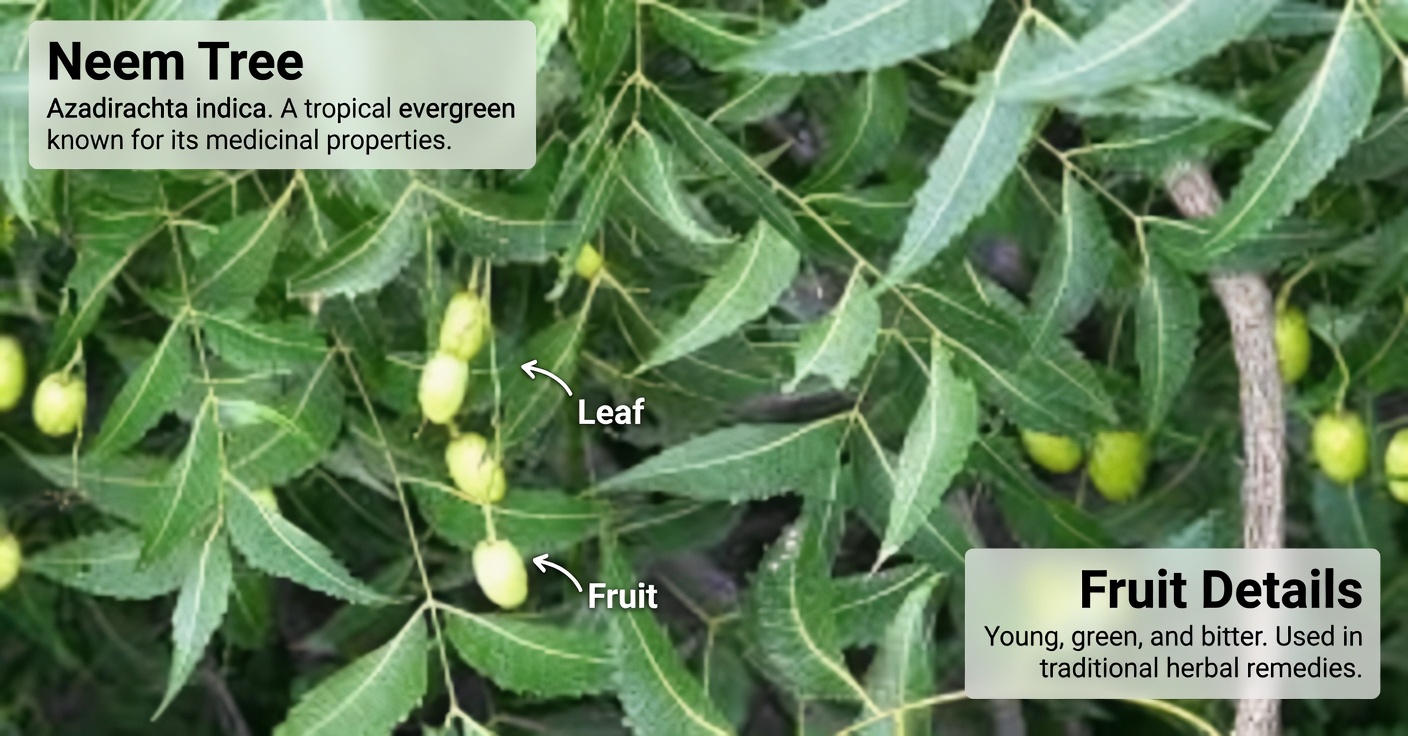
When these issues overlap, retirement can feel more restricted than expected, bringing real worries about energy, mobility, and staying independent. No herb can replace medical treatment, but looking at well-known traditional plants such as neem (Azadirachta indica)—a long-respected Ayurvedic botanical—can be a useful way to understand natural compounds that may offer supportive benefits. A safe, practical way to try neem is included near the end.
Health Changes After 60: Why Neem Gets Attention
As we age, metabolic strain and low-grade inflammation tend to build gradually. Research suggests neem contains bioactive substances—often discussed in studies as nimbin, nimbidin, quercetin, and other antioxidant/anti-inflammatory compounds—that may act on multiple pathways.
One key piece of modern evidence is a 2020 randomized, double-blind, placebo-controlled clinical trial in people with type 2 diabetes. In that study, a standardized aqueous neem leaf and twig extract (125–500 mg, twice daily for 12 weeks) was used alongside metformin and was associated with:
- Lower postprandial (after-meal) blood sugar
- Improved endothelial function (linked to blood vessel health)
- Reduced inflammation markers
- No major safety issues reported for that specific standardized extract during the trial period
This supports neem’s long-standing traditional use for metabolic balance, though it’s important to note that human evidence is still developing and outcomes can vary depending on the product type, dose, and preparation.
Potential Neem Benefits: Key Areas of Support (What the Evidence Suggests)
Concerns about lab results—or simply not feeling as comfortable in your body as you used to—can be mentally exhausting. While neem is not a cure and should not be viewed as a stand-alone treatment, available preclinical research plus limited clinical findings indicate neem’s antioxidant and anti-inflammatory actions may offer broad supportive help in several common areas.
1) Supporting Healthy Blood Sugar Levels
Blood glucose swings can affect daily energy and long-term health. Neem is most studied for glycemic support:
- The 2020 human trial found meaningful post-meal blood sugar reductions when neem extract was used as an add-on to standard care.
- Animal studies frequently show hypoglycemic effects, often linked to improved insulin sensitivity and reduced oxidative stress.
- Reviews published between 2020 and 2022 commonly describe neem as a potential complementary option, not a replacement for prescribed therapy.
2) Supporting Cardiovascular Comfort and Blood Pressure
Higher blood pressure can make many people feel uneasy about their long-term risk. Neem has been studied for possible cardiovascular support through mechanisms such as:
- Vasodilation (blood vessel relaxation) via calcium-channel modulation and endothelium-related pathways
- Potential protective effects against hypertension development in animal models
Large, senior-focused clinical trials are still limited, so this area remains promising but not definitive.
3) Helping With Joint Comfort and Inflammatory Stress
Stiffness—especially in the morning—can reduce activity and independence. Neem contains anti-inflammatory constituents (including compounds such as gedunin, frequently cited in research), and preclinical studies suggest it may:
- Reduce inflammatory signals
- Lower swelling and discomfort in arthritis models
Human trials specifically targeting arthritis are not robust yet, but the combination of traditional use and lab evidence supports neem’s reputation for inflammation support.
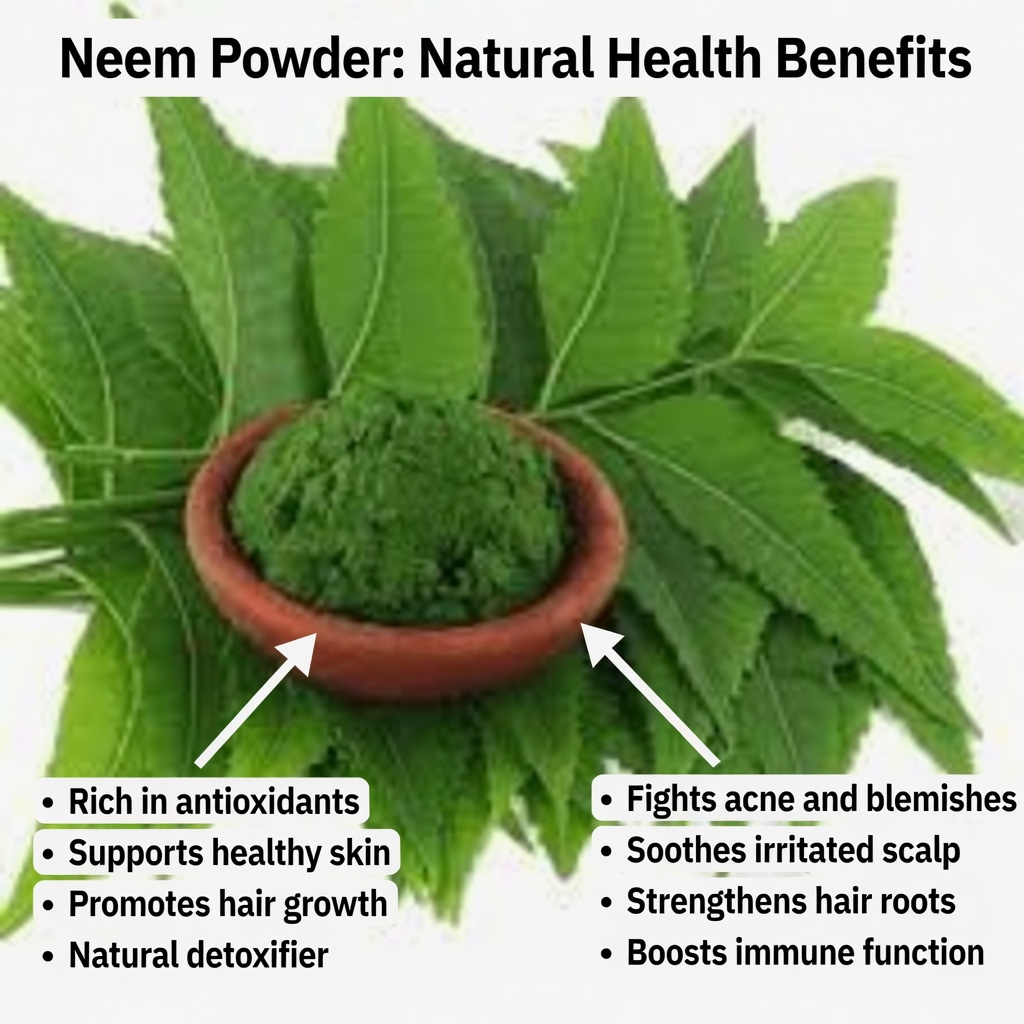
4) Supporting Lipid Balance (Cholesterol and Triglycerides)
Cholesterol concerns—particularly LDL—are common with age. In animal and in vitro research, neem extracts have been linked to:
- Reduced total cholesterol, LDL, and triglycerides
- Possible influence on lipid-related enzymes (including pathways involving HMG-CoA reductase)
Human evidence is mostly indirect (often in broader metabolic syndrome contexts), but the findings are relevant to overall cardiovascular support.
5) Circulation and Nerve Comfort (Cold or Heavy Feet)
Cold, tingling, or heavy feet can be associated with circulation changes. Direct evidence for neem in peripheral neuropathy is limited, but research does connect neem with:
- Support for microcirculation in models
- Improved endothelial function in clinical research settings
- Antioxidant activity that may indirectly support vascular health
Neem Research Snapshot (2020+): Quick Evidence Overview
| Health Area | Main Evidence Type | What Studies Commonly Report |
|---|---|---|
| Blood sugar support | Human RCT + animal studies + reviews | Reduced postprandial blood sugar; used as an add-on to metformin in a 12-week trial |
| Blood pressure support | Animal studies + mechanism research | Vasodilation pathways; preventive effects in models; limited large human trials |
| Joint inflammation | Preclinical studies + traditional use | Lower inflammation markers and swelling in models; limited direct human arthritis trials |
| Cholesterol/lipids | Animal + in vitro | Lower LDL/triglycerides; possible lipid-enzyme modulation |
| Circulation/endothelial support | Limited direct evidence | Endothelial improvements noted in trials; microcirculation findings mainly preclinical |
How to Use Neem More Safely: Practical Steps for Older Adults
Caution is reasonable—especially if you take multiple medications. A conservative approach can reduce risk and help you notice how your body responds.
- Choose reliable products: Look for reputable brands and, when possible, standardized neem leaf extracts. Avoid unknown blends with unclear dosing.
- Start with a low amount: Begin gently (for example, a mild tea or a low-dose capsule) and track how you feel for several days.
- Be consistent with timing: Many traditional routines use neem on an emptier stomach, but tolerance varies—choose a schedule that feels comfortable.
- Speak with your clinician first (especially if you use prescriptions for diabetes, blood pressure, or blood thinning): Neem may enhance medication effects, which could require monitoring or dose adjustments.
- Stop if anything feels off: If you notice unusual symptoms, pause and seek medical advice.
Conclusion: Neem as a Complementary Option, Not a Substitute
Neem is not a replacement for medical care, but its natural compounds have drawn attention for potentially supporting common age-related concerns—especially blood sugar balance, along with vascular function and inflammation management. The strongest clinical signal so far is for glycemic support (including the 2020 trial described above), while other benefits rely more heavily on preclinical research and traditional use. More large-scale studies focused on older adults are still needed.
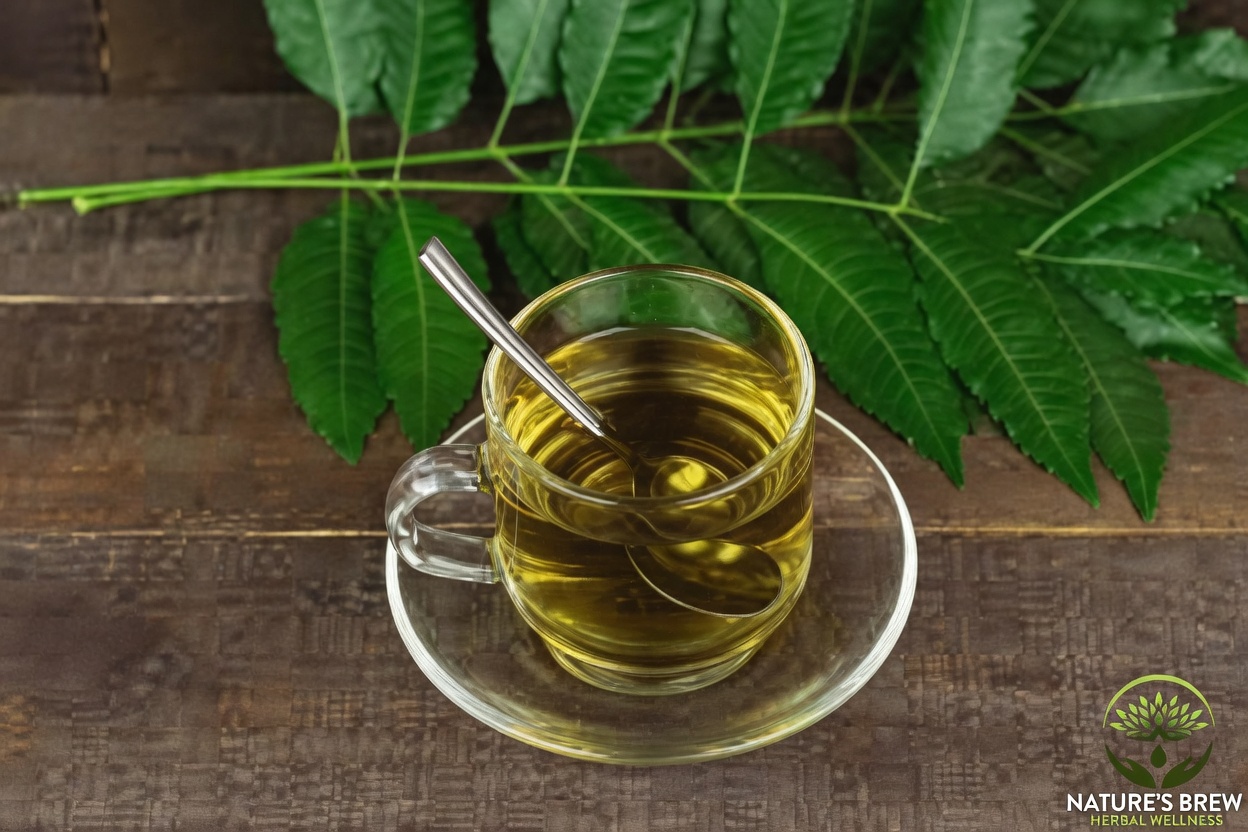
A practical, gentle way to start: try a mild neem leaf tea by steeping 1–2 leaves in hot water. Because neem is naturally bitter, some people find it easier to drink with a small amount of honey. Treat it as a simple daily check-in to see whether it suits you—only with your clinician’s approval if you have medical conditions or take medications.
Frequently Asked Questions (FAQ)
Is neem safe for daily use for people over 60?
Neem leaf preparations appear reasonably well-tolerated at moderate amounts in studies, but daily use should be discussed with your healthcare provider—particularly if you take medicines for diabetes, hypertension, or clotting due to possible interactions.
How can neem help with blood sugar?
Clinical research indicates neem extract may reduce postprandial blood sugar when used alongside standard therapy. Proposed mechanisms include antioxidant effects and improved insulin sensitivity, though responses vary between individuals and products.
What should I do if I notice side effects?
Bitterness is common with neem tea. If you experience any unusual symptoms, stop using neem and seek medical advice. Monitoring is especially important if you take prescription medications.
Medical Disclaimer
This article is for informational purposes only and does not replace professional medical advice, diagnosis, or treatment. Always consult a qualified healthcare provider before using neem or any supplement, especially if you have health conditions or take medications.