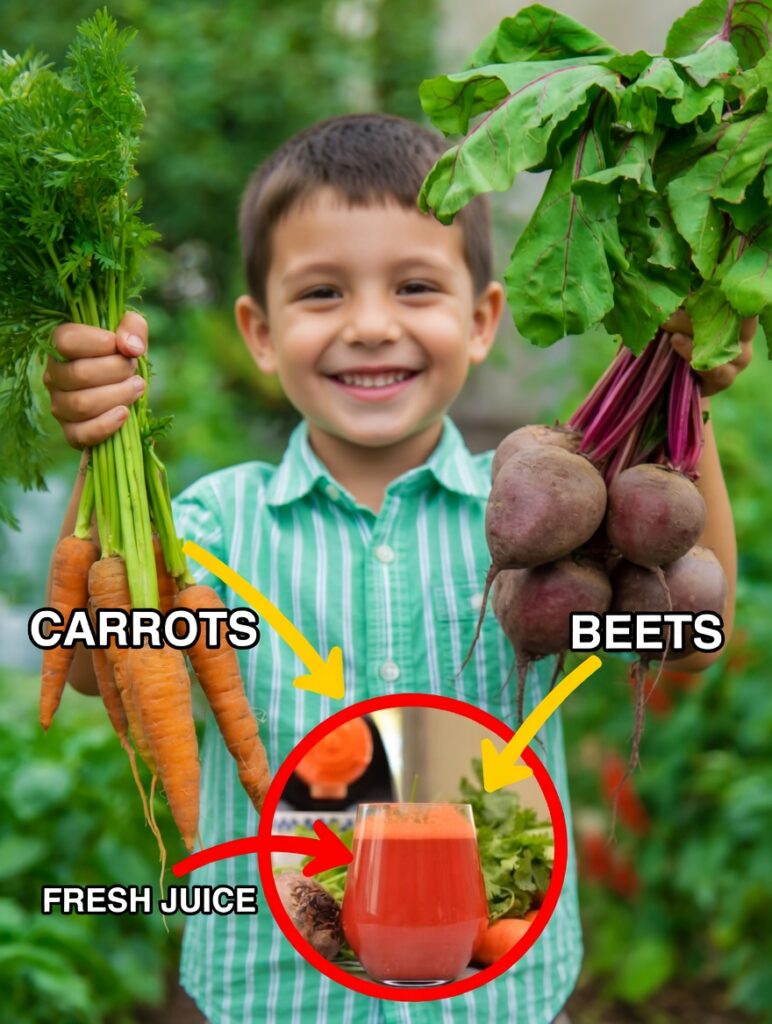
If you want a natural, nutrient-rich drink to support eye health, carrot and beet juice is a smart place to start. These colorful vegetables deliver a concentrated mix of antioxidants, vitamins, and minerals that may help reduce eye strain, support visual performance, and protect your eyes as you age.
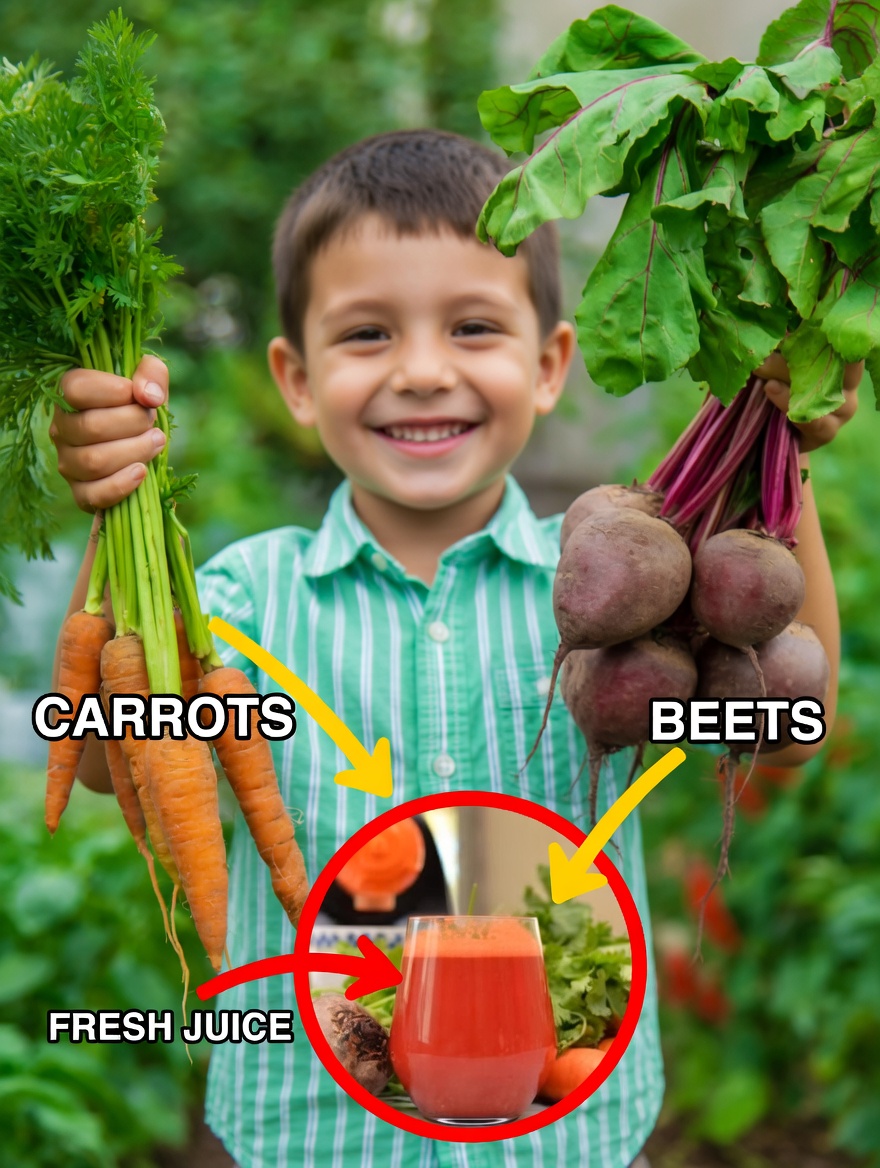
Carrots and beets are especially valued for their protective plant compounds. Together, they can help defend delicate eye tissues from oxidative stress, while also supporting circulation—an important factor in keeping the eyes well nourished and comfortable.

1. Clearer Vision Support and Less Eye Strain
Long hours of screen time and reading can leave the eyes feeling tired and dry. Carrot and beet juice may help by combining multiple eye-supporting nutrients in one drink.
- Antioxidants from both vegetables can help calm inflammation in eye tissues.
- Lutein and beta-carotene (from carrots) are linked to retinal protection against oxidative damage.
- Natural nitrates (from beets) support better blood flow, helping deliver oxygen and nutrients to the eyes.
With regular intake, many people find it easier to cope with everyday visual fatigue and discomfort caused by prolonged screen use.
2. Better Night Vision and Low-Light Adaptation
Carrots are well known for their beta-carotene content, which the body converts into Vitamin A—a nutrient essential for proper retina function, especially in dim lighting.
When paired with the circulation benefits of beets, this juice may help your eyes adjust to darkness more efficiently. If you struggle with seeing clearly in low-light environments, consistent use may lead to noticeable improvements over time.
3. Defense Against Age-Related Vision Problems
As we age, the eyes face increased exposure to free radicals, oxidative stress, and environmental factors such as UV light. The antioxidant compounds in carrots and beets can work together to help shield the retina and lens from damage that may contribute to vision decline.
A review in Food & Function (2018) reported that diets rich in antioxidants—such as those found in vegetable juices—may help reduce the risk of age-related macular degeneration and cataracts, particularly for adults over 50.

4. Improved Circulation to the Eyes
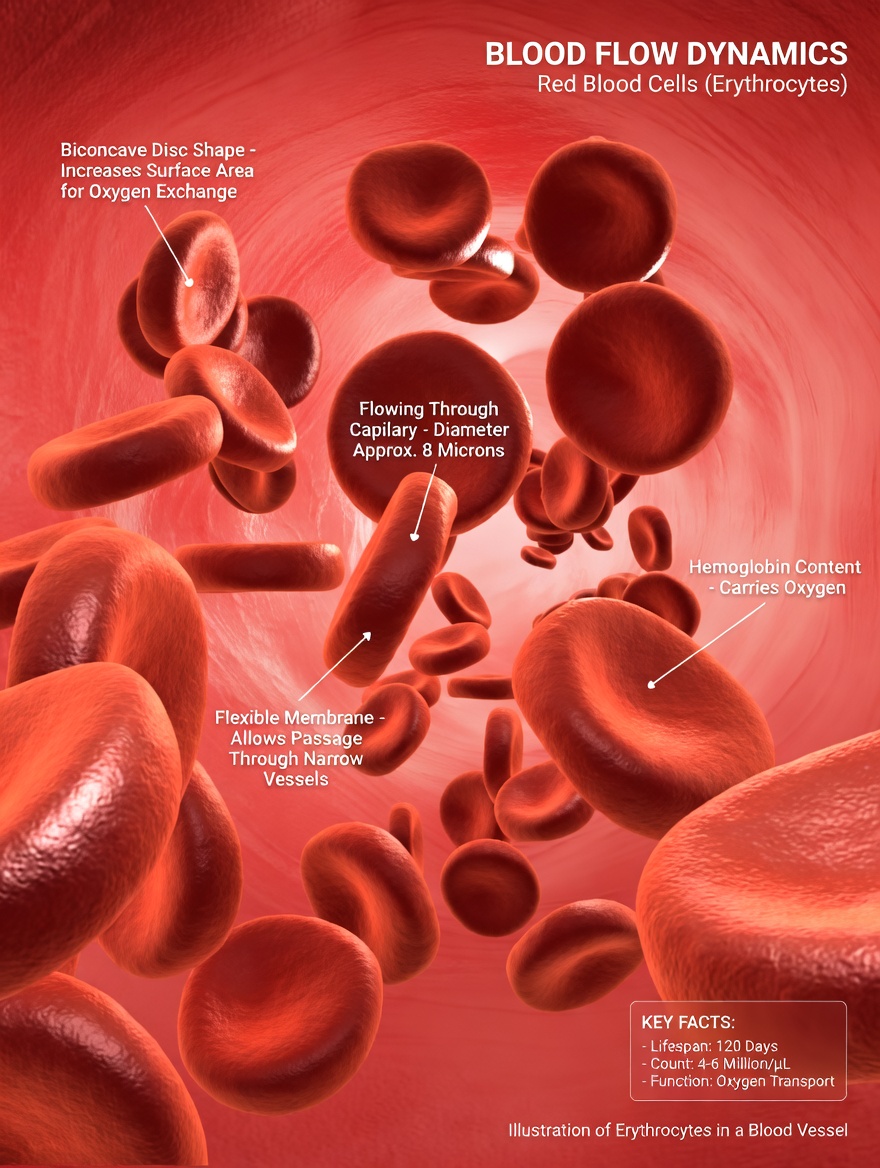
Healthy circulation supports healthy vision. Beets contain dietary nitrates, which the body can convert into compounds that promote vascular function and blood flow.
Better blood flow to the eyes may:
- reduce strain and pressure-related discomfort
- improve nutrient delivery to the retina
- support long-term eye performance, especially during intense visual tasks
Research in The Journal of Nutrition (2011) found that beet nitrates can support vascular health, including circulation that benefits eye tissues and helps limit eye fatigue.
5. Protection From Oxidative Damage for Overall Eye Health
Oxidative stress is a major contributor to damage in eye tissues and is linked to several common eye conditions. Carrot and beet juice provides a strong antioxidant blend, including:
- Vitamin C
- beta-carotene
- betalains (the signature pigments in beets)
Together, these nutrients help neutralize free radicals and may lower the long-term risk of conditions associated with aging, such as cataracts and macular degeneration.

How to Make Carrot and Beet Juice for Eyesight
This homemade juice is simple to prepare and tastes fresh, earthy, and naturally sweet.
Ingredients
- 2 medium carrots
- 1 medium beet
- 1/2 cup water (optional, for blending)
- Optional: a squeeze of lemon juice (adds flavor and extra Vitamin C)
Instructions
-
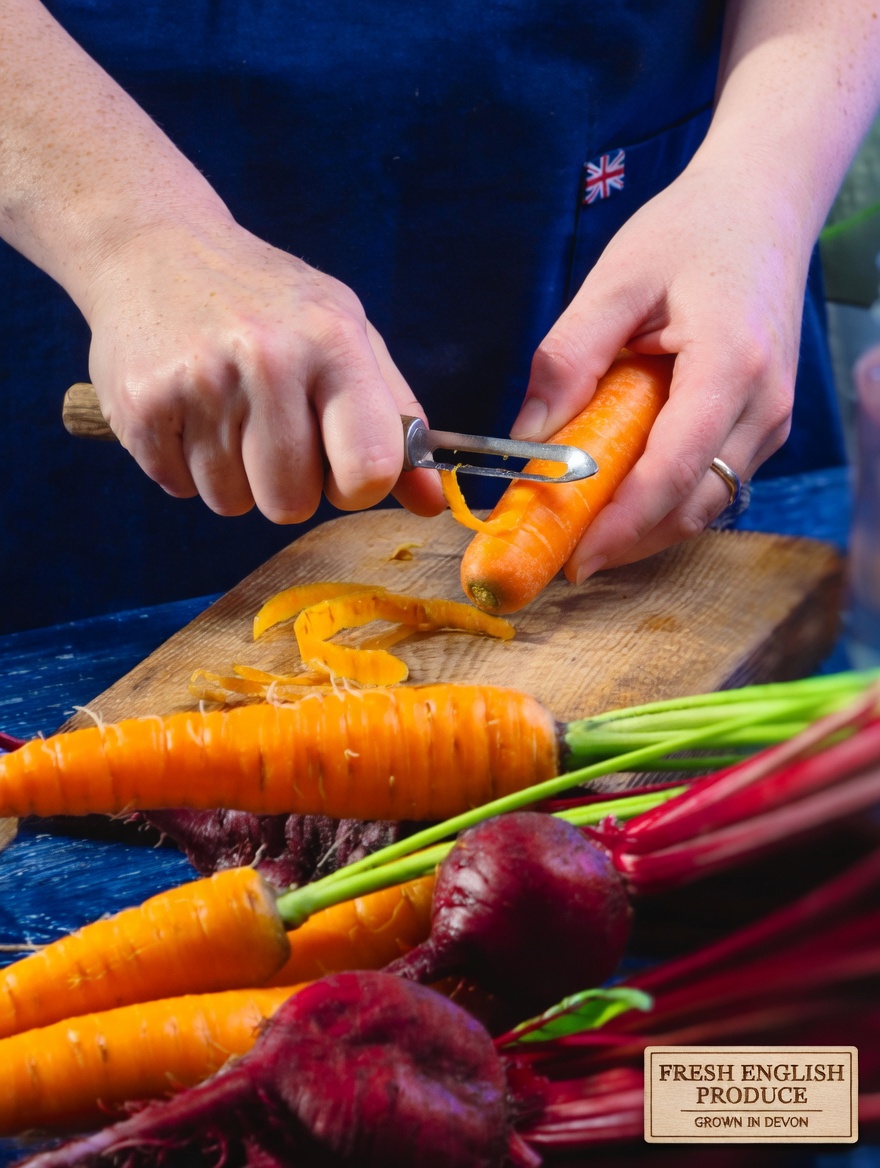
Wash and peel
Rinse carrots and beets thoroughly to remove dirt and residue. Peel if you want a smoother taste, but keeping the skin (when well cleaned) can preserve extra fiber and antioxidants. -
Chop
Cut the carrots and beet into smaller chunks so they blend easily. -
Blend
Add chopped vegetables to a blender. Pour in water if needed, then blend until smooth. -
Strain (optional)
For a lighter, pulp-free texture, strain through a fine mesh sieve or cheesecloth. Skip this step if you prefer more fiber. -
Add lemon (optional)
Squeeze in a little lemon to brighten the flavor and increase Vitamin C. -
Serve immediately
Drink right away for the best taste and nutrient retention.
Best Time to Drink Carrot and Beet Juice
For the most consistent benefits, drink it:
- in the morning, to start your day with a nutrient boost, or
- mid-afternoon, as a refreshing pick-me-up
Aim for 3–4 times per week alongside a balanced diet and healthy lifestyle for the best eyesight-supporting results.
Cautions and Precautions
- Oxalates: Beets are high in oxalates, which may worsen kidney issues for some people. If you have a history of kidney stones or kidney disease, speak with a healthcare provider first.
- Staining: Beet juice can stain hands, clothing, and even teeth. Consider using a straw and rinsing your mouth afterward.
- Blood pressure: Beets may lower blood pressure due to their nitrate content. If you already have low blood pressure or take blood pressure medication, check with a healthcare professional before drinking it regularly.
Disclaimer
This content is for informational purposes only and does not replace medical advice. Always consult a qualified healthcare provider before making major dietary changes, especially if you have health conditions or concerns about your eyesight.