
Fig Leaves for Natural Health: An Overlooked Remedy for Diabetes Support
When people search for natural ways to improve wellness, they often think of popular herbs and superfoods—but fig leaves are frequently missed. While the fig fruit is well known for its flavor and nutrition, the leaves of the fig tree also contain valuable plant compounds. In particular, fig leaves are widely discussed for their potential role in diabetes support and blood sugar management.
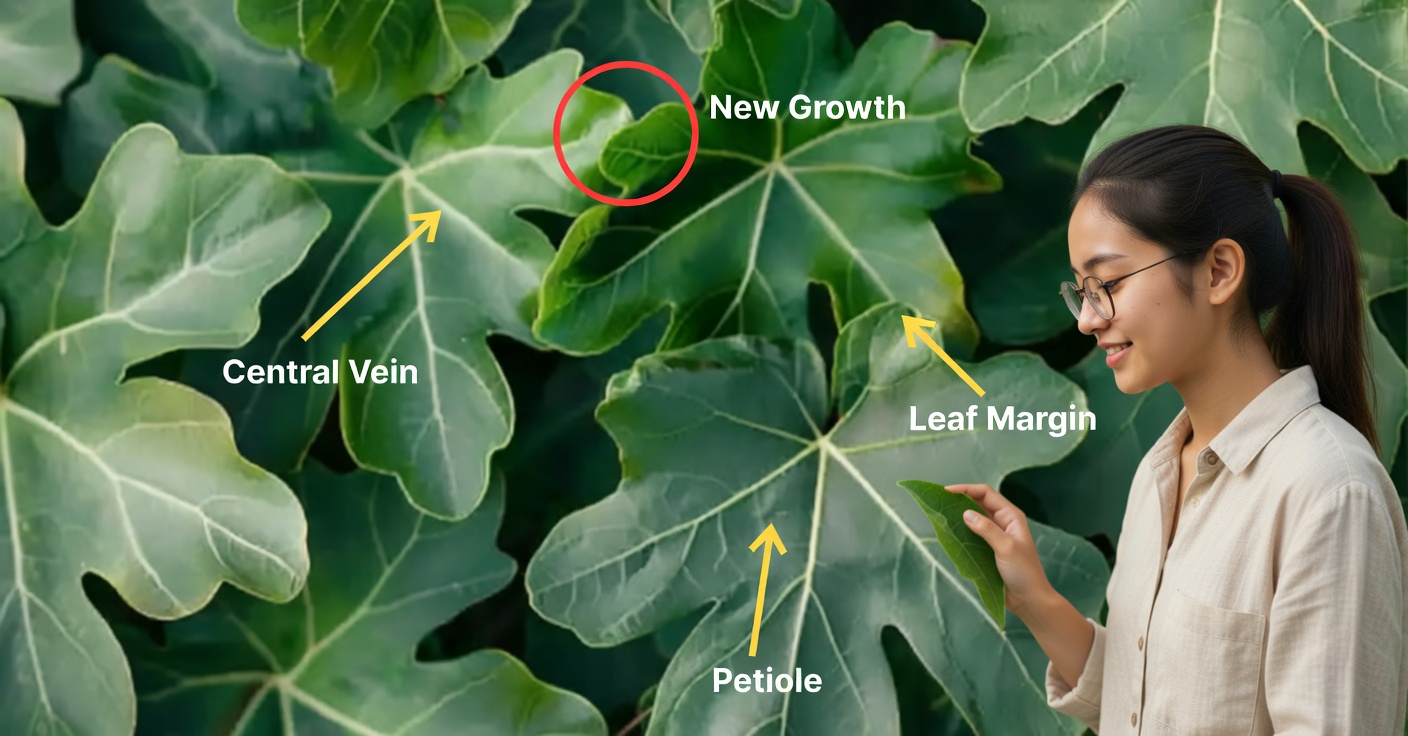
Fig Leaves and Blood Sugar: Why They’re Considered Naturally Antidiabetic
Fig leaves contain bioactive compounds that may help the body manage glucose (blood sugar) levels more effectively. Because of this, they’re sometimes used as a natural complement to a diabetes-friendly lifestyle.
Several studies and traditional practices suggest that regular fig leaf consumption may support healthier blood sugar control and, in some cases, may be associated with a reduced insulin requirement under medical supervision.

Antioxidant Benefits: Immune Support and Protection From Oxidative Stress
The potential benefits of fig leaves extend beyond glucose control. They also provide antioxidants, which help the body defend against oxidative stress—a factor linked to many long-term health concerns. By supporting the body’s protective systems, antioxidants may also contribute to overall immune resilience.

How to Make Fig Leaf Tea (Simple Recipe)
One of the easiest ways to use fig leaves is to brew fig leaf tea. It can be enjoyed as a daily wellness drink and may be especially appealing for those building a natural routine for blood sugar support.

Ingredients
- Fresh or dried fig leaves
- Water
Instructions
- If using fresh leaves, rinse and chop them into small pieces. (Dried leaves are often already tea-ready.)
- Use about 1 teaspoon of chopped fig leaves per cup of water.
- Bring water to a boil, then add the leaves and simmer for around 15 minutes to draw out beneficial compounds.
- Strain the liquid to remove leaf fragments.
- Drink warm. For blood sugar support, many people use 1–2 cups per day as part of a consistent routine.
In addition to its potential blood sugar benefits, fig leaf tea is often described as comforting and soothing, making it easy to include in everyday life.

Additional Health Benefits of Fig Leaves
Fig leaves are also associated with other traditional wellness uses, including:
- Natural diuretic support, which may assist the urinary system
- Mild laxative effects, which can support digestive regularity
- Potential relief for ulcer-related discomfort (traditional use)
- Support for healthier blood fats, including triglycerides and cholesterol
These benefits make fig leaves a versatile plant ingredient, especially for those interested in natural, food-based wellness habits.

Fig Leaf Sap for Warts: A Traditional Topical Use
The fig leaf produces a milky sap (latex-like liquid) that has long been used in folk remedies. This sap contains proteolytic enzymes, which may help break down unwanted skin growths. For this reason, fig sap is sometimes applied topically as a natural wart-removal option, offering an alternative to harsher chemical approaches.

Safety Tips and Who Should Ask a Doctor First
Fig leaves are generally considered safe when used appropriately, but caution is important—especially for people with diabetes. If you’re taking insulin or blood sugar-lowering medication, speak with your healthcare professional before adding fig leaf tea to your routine. This helps avoid blood sugar dropping too low and ensures your overall diabetes plan stays effective.
Final Thoughts: A Simple Plant With Real Wellness Potential
Fig leaves are far more than a byproduct of a fruit tree. With potential benefits for blood sugar control, antioxidant support, digestion, cholesterol, and traditional skin care, they offer a practical option for people exploring natural remedies. Adding fig leaf tea to a balanced diet may be a helpful step toward a more natural approach to long-term health—particularly for those focused on managing diabetes responsibly.