Supplements to Avoid After 50: Key Risks and Safer Choices
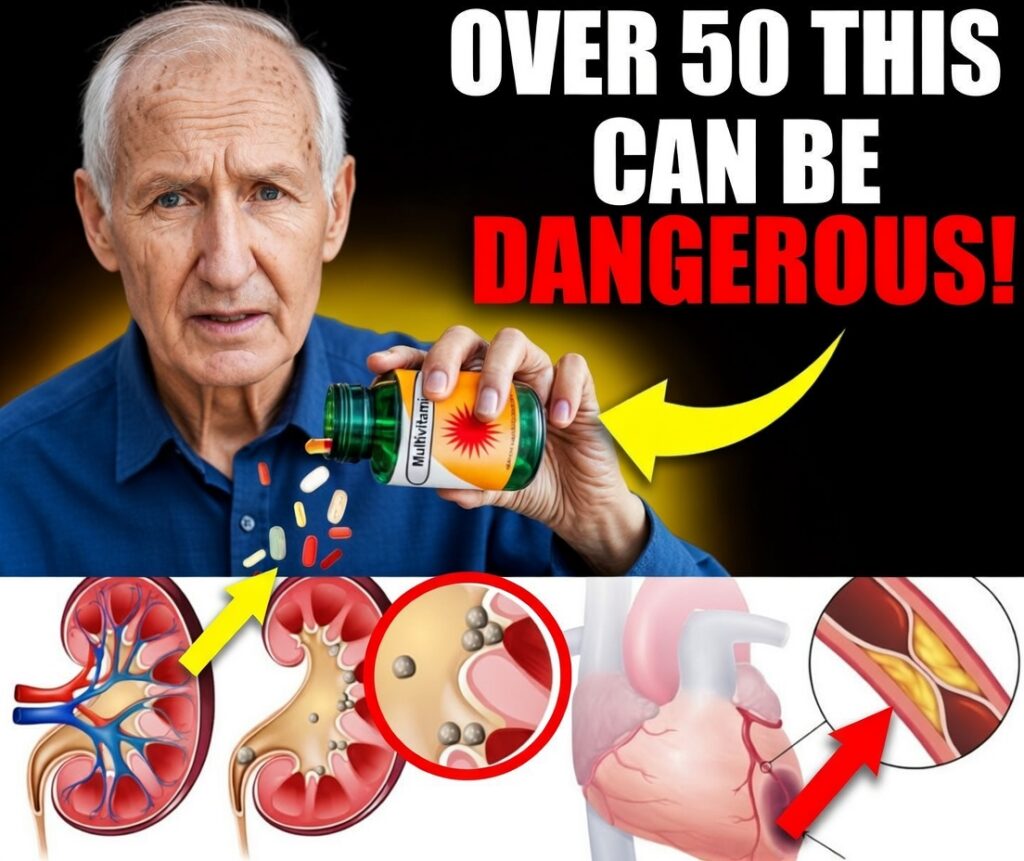
As you get older, your body’s nutrient needs—and how it processes vitamins and minerals—naturally shift. Supplements can be useful when diet alone doesn’t cover certain gaps, but some products may create real health problems for adults over 50. Potential issues include unwanted side effects, dangerous interactions with prescription drugs, and health complications that develop over time.
Understanding which supplements require extra caution can help you make smarter, safer decisions.
1. High-Dose Vitamin A
Vitamin A supports healthy vision, immune function, and skin maintenance. However, taking too much vitamin A (especially preformed vitamin A found in many supplements) can become risky with age because the body may not regulate or clear excess amounts as efficiently.
Main risks
- Liver damage: Extra vitamin A can accumulate in the liver and contribute to toxicity.
- Weaker bones: Higher intake has been associated with reduced bone density and a greater chance of fractures.
- Toxicity symptoms: Overuse may trigger nausea, dizziness, headaches, and even hair thinning or hair loss.
Safer approach: Follow recommended daily intake guidelines and focus on food-based sources of beta-carotene (such as colorful fruits and vegetables), since your body converts it to vitamin A only when needed. Avoid high-dose vitamin A unless a clinician specifically prescribes it.
2. Iron Supplements
Iron is essential for carrying oxygen through the blood, but more is not always better—particularly after 50. Many older adults are at higher risk of storing excess iron, which can become harmful if supplements are taken without a confirmed need.
Main risks
- Iron overload (hemochromatosis): Excess iron can build up in organs like the liver and heart, leading to serious damage.
- Cardiovascular concerns: Elevated iron levels have been linked in some research to higher risk of heart-related problems.
- Digestive upset: Iron pills commonly cause constipation, nausea, and stomach discomfort.
Safer approach: Only use iron supplements if a healthcare professional confirms deficiency through testing and recommends treatment. For many people, dietary iron is sufficient.
3. St. John’s Wort
St. John’s Wort is widely used as an herbal option for low mood, mild depression, or anxiety. The major concern is that it can interfere with many medications frequently prescribed to older adults.
Main risks
- Serious drug interactions: It may reduce the effectiveness of medications such as blood thinners, certain antidepressants, heart medicines, and some cancer therapies.
- Sun sensitivity: It can make skin more reactive to sunlight, increasing the risk of sunburn and UV damage.
- Possible nutrient effects: Long-term use may affect absorption of nutrients such as vitamin B12 and folate.
Safer approach: Speak with your doctor or pharmacist before taking St. John’s Wort—especially if you use any prescription medication. There are often safer, well-monitored options for mental health support.
4. Too Much Calcium (Especially from Supplements)
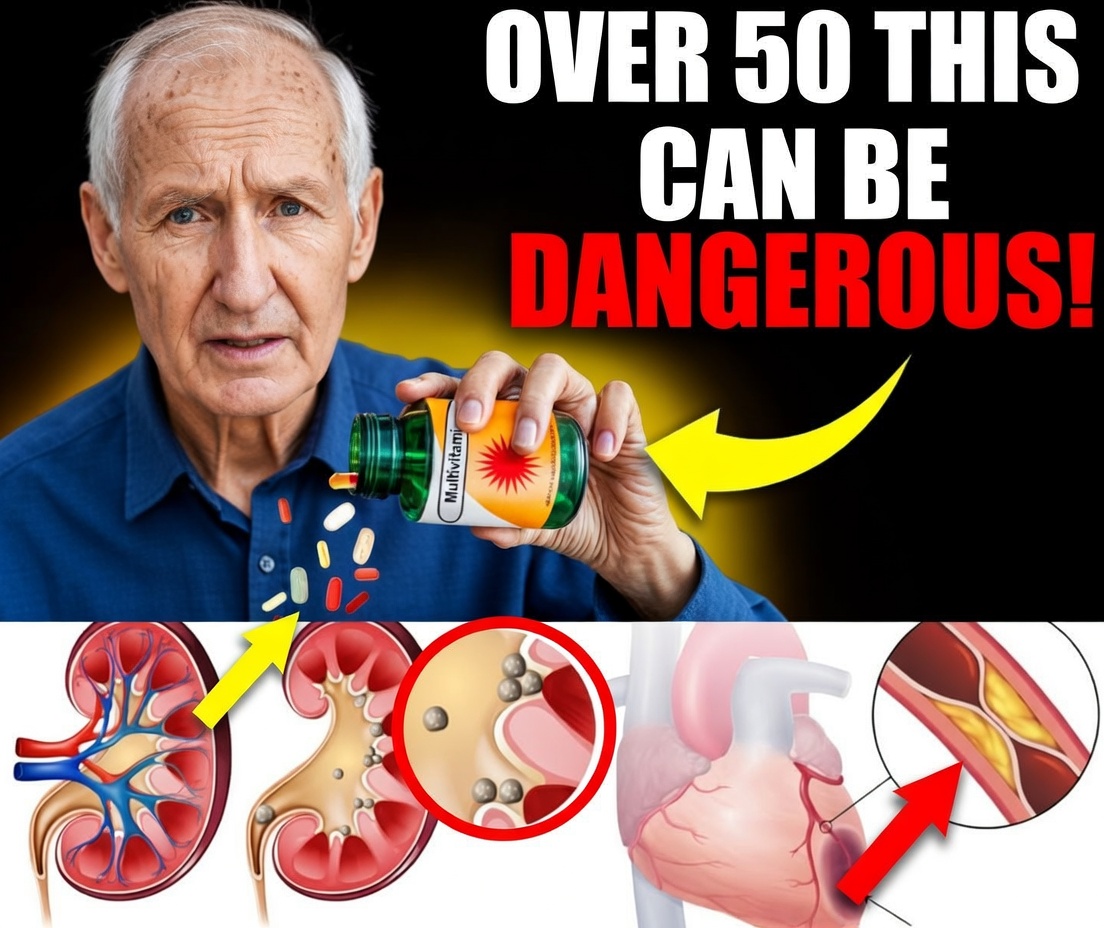
Calcium plays a major role in bone strength, and many adults take calcium supplements to help prevent osteoporosis. However, excessive calcium—particularly from high-dose supplements—can create unintended health risks.
Main risks
- Kidney stones: Higher calcium intake can raise the likelihood of stone formation in some individuals.
- Potential heart concerns: Some studies suggest heavy calcium supplementation may contribute to arterial calcification and increase heart disease risk.
- Digestive issues: Constipation and bloating are common side effects when doses are too high.
Safer approach: Get calcium primarily from foods such as dairy products, leafy greens, and calcium-fortified items. If supplementation is needed, keep the dose within recommended limits and review it with a healthcare professional.
How to Choose Supplements Safely After 50
To reduce risk while still supporting your health, use these best practices:
- Talk to your healthcare provider first: This is essential if you take prescription medications or manage chronic conditions.
- Choose food first whenever possible: Whole foods often improve absorption and reduce the chance of excessive intake.
- Check for interactions: Supplements and herbal products can change how medications work—always disclose what you take.
- Follow the recommended dose: High doses of vitamins and minerals can be harmful, even when the nutrient is “essential.”
Conclusion
Supplements can be helpful, but not every option is safe for people over 50. High-dose vitamin A, unnecessary iron, St. John’s Wort, and excessive calcium can increase the risk of toxicity, drug interactions, and long-term health complications. For the best results, build your nutrition around a balanced diet and consult a qualified healthcare professional before adding or changing supplements.